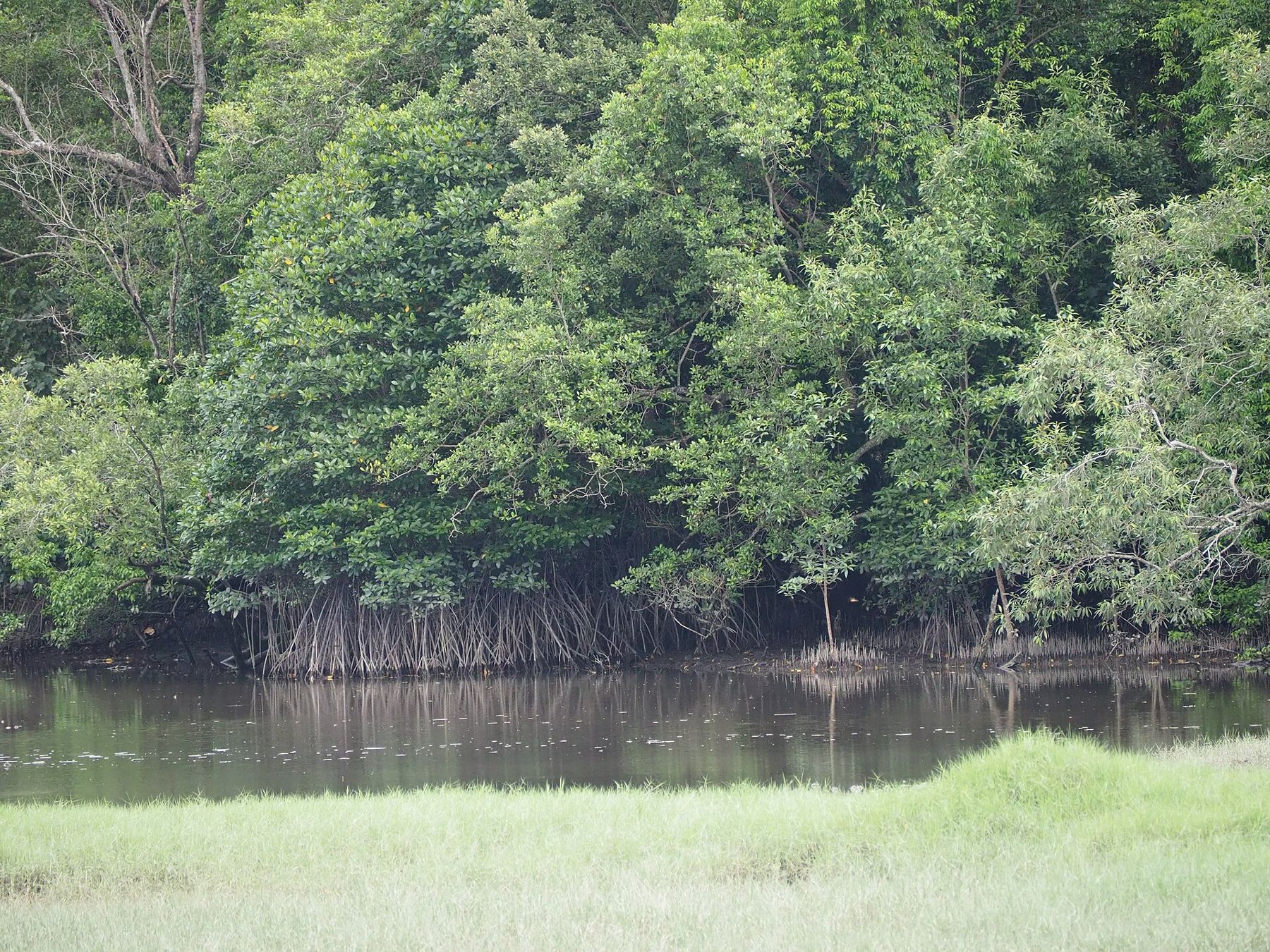
The crocodile is lying on the mudflat, perfectly still, the colour of the mud itself. From the boardwalk it looks like a log until it opens one eye. A small crowd gathers at the railing, phones raised, whispering. The crocodile closes its eye again. Behind it, the mangroves stand on their tangled roots in the brown water, and across the strait the towers of Johor Bahru rise in the haze.
Sungei Buloh Wetland Reserve, on the north-west coast of Singapore, is one of the few places on the island where you can see a saltwater crocodile in the wild. It is also the best place in the country to see migratory shorebirds, a stopover on a flyway that stretches from the Arctic to Australia, and an easy introduction to the mangroves that once fringed much of the island's coast. It is a long way from the city, and it is worth every minute of the journey.
From prawn ponds to reserve
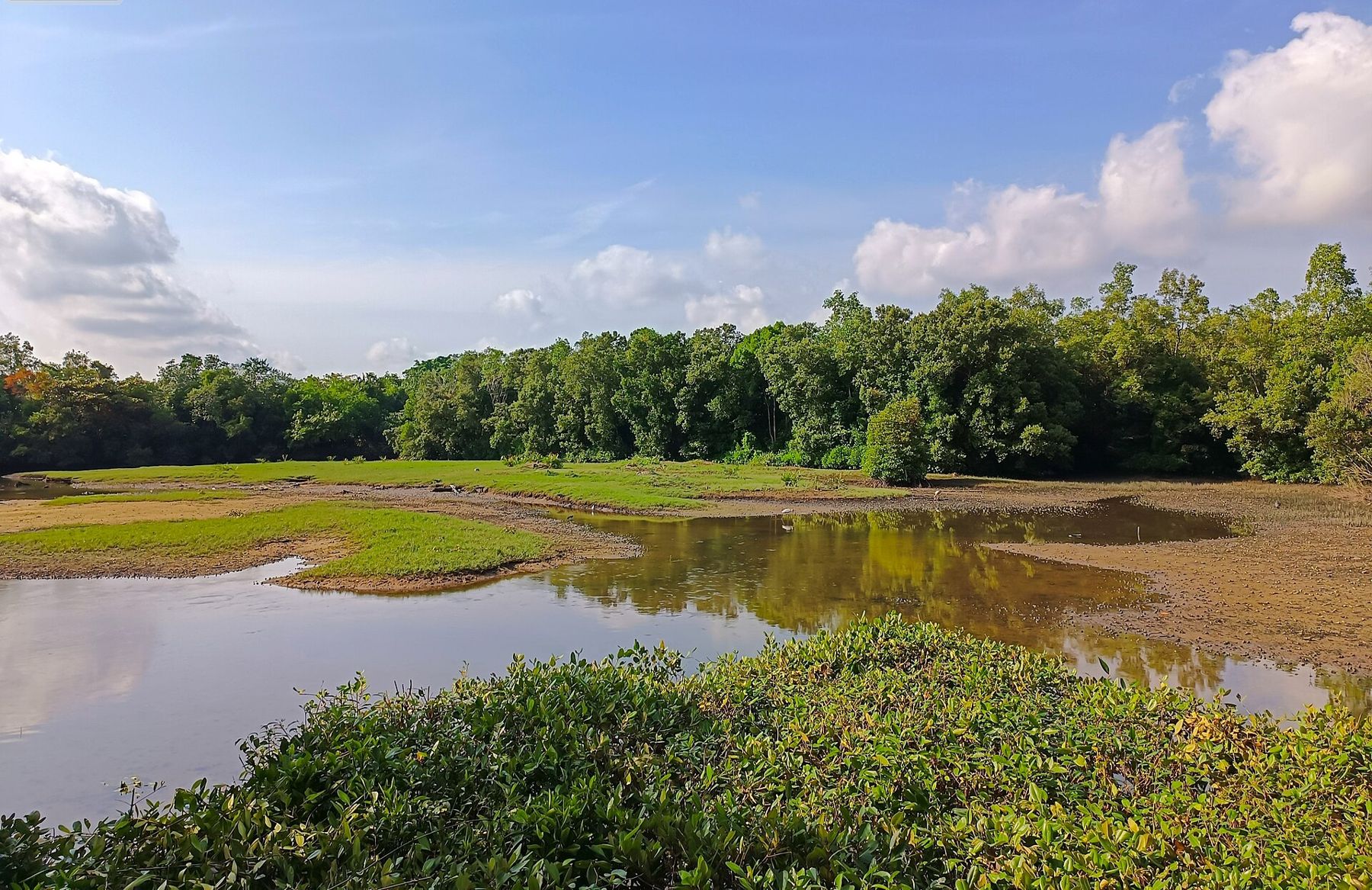
Much of what is now the reserve was once a patchwork of prawn and fish ponds, worked by farmers along the coast. In the 1980s, birdwatchers noticed that the ponds and the surrounding mangroves were drawing large numbers of migratory birds, and they pressed for the area to be protected. A nature park opened in 1993, and in 2002 it was gazetted as a nature reserve. It has since been recognised as an ASEAN Heritage Park, and it has grown, with a newer section at Kranji linked by boardwalks and coastal trails.
The old ponds are still the heart of the reserve. Sluice gates control the water levels, and the ponds are managed to provide feeding and roosting places for birds. Around them, the mangroves have been left to grow, and they now form a thick, green belt along the shore and the river channels.
The mangroves
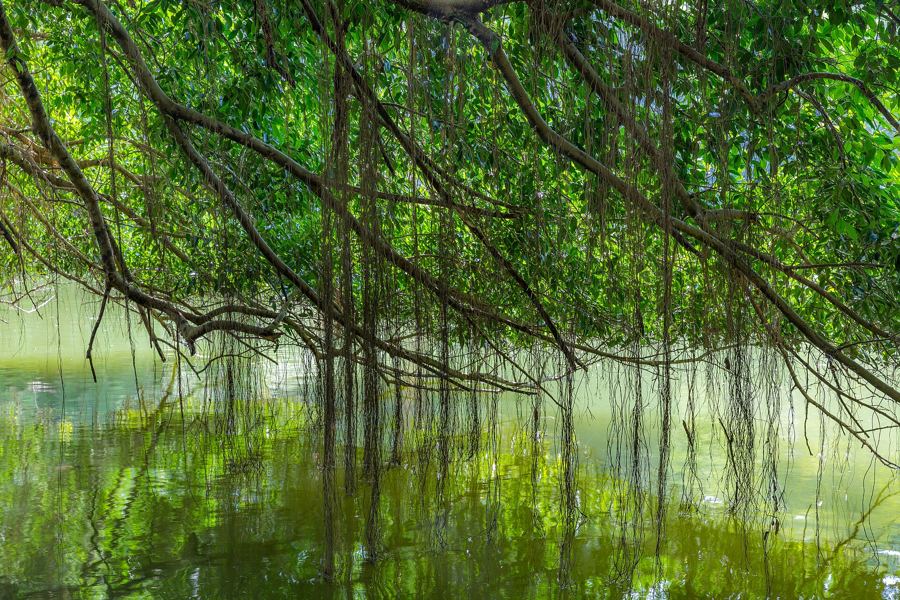
A mangrove is a forest that lives in salt water, flooded twice a day by the tide. That is a hard life for a tree, and the mangroves have evolved strange ways to cope. Walk the mangrove boardwalk and you will see them all around you.
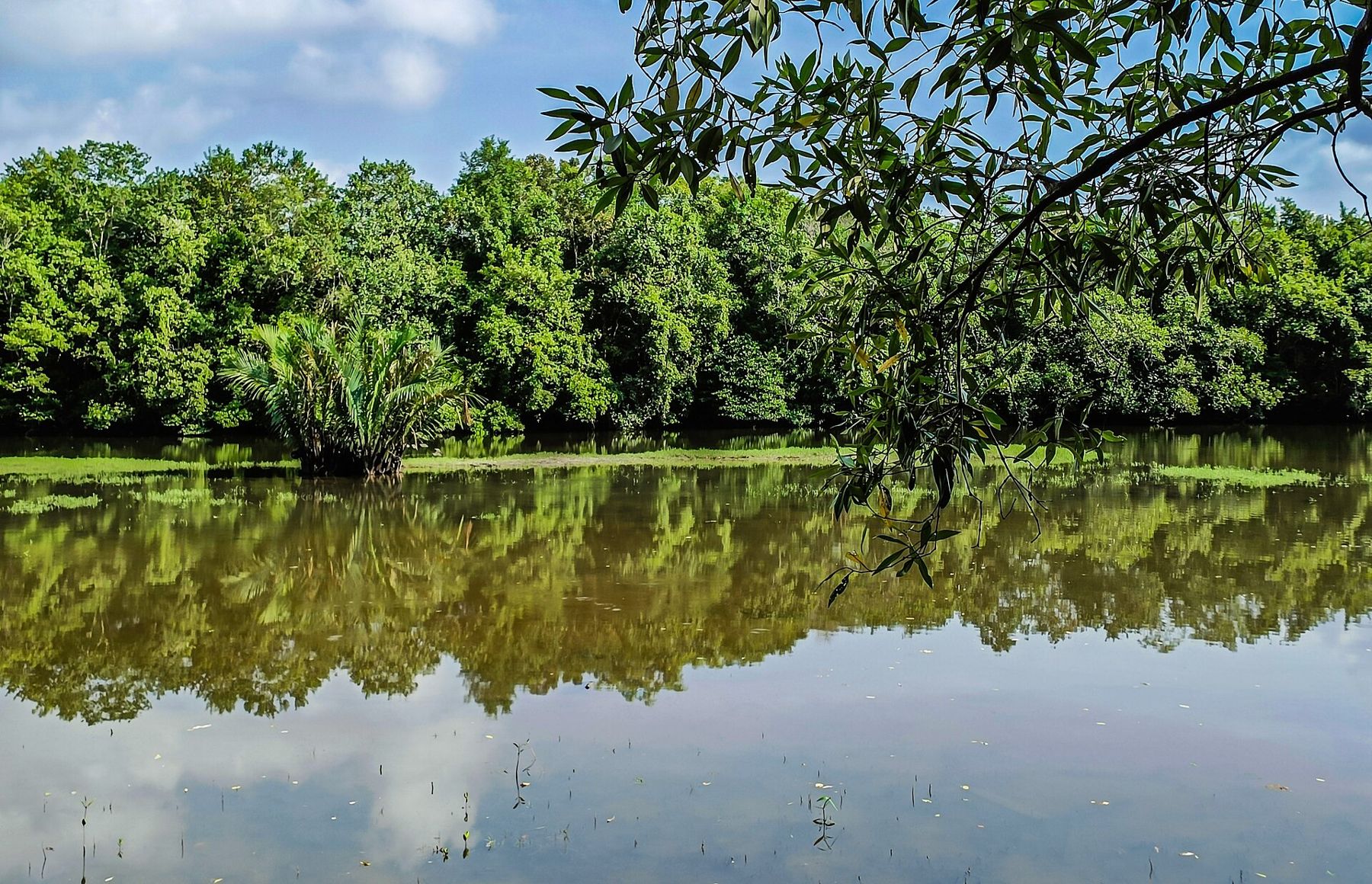
Some trees stand on stilt roots, arching out from the trunk and down into the mud like the legs of a giant spider. Others send up thin, pencil-like breathing roots from the mud, thousands of them, so that at low tide the ground looks like a bed of nails. Some have knobbly knee roots that loop in and out of the mud. These roots help the trees breathe in the airless mud and hold them steady against the tides. Here and there, nipah palms sprout straight from the water, their fronds rising in a fountain of green.
Look down from the boardwalk, and the mud is alive. Mudskippers, fish that spend much of their time out of the water, hop and skid across the mud, raising their fins to signal to each other. Fiddler crabs wave their single giant claws. Archerfish lurk in the channels, ready to shoot down insects with a jet of water. At low tide, the mud is full of holes and tracks and the soft clicks and pops of creatures moving in it.
The smell is part of it too: salt, mud and rotting leaves, the rich, sulphurous smell of a place where life is busy breaking down and building up. It is not unpleasant once you get used to it, and it is the smell of one of the most productive habitats on earth.
The birds
From roughly September to March, Sungei Buloh fills with migratory shorebirds. They breed in the far north, in Siberia and the Arctic, and fly south for the northern winter along the East Asian-Australasian Flyway. Some stop here to rest and feed before flying on to Australia; others stay for the season.
The ones you are most likely to see are waders: sandpipers, plovers, redshanks, greenshanks and whimbrels, with their long, down-curved bills. They feed on the mudflats at low tide, probing for worms and crabs, and when the tide comes in and covers the flats, they gather in the ponds to roost. The best time to see them is at high tide, from the hides that overlook the main pond. Check the tide tables before you go.
There are resident birds too, all year round: grey and purple herons standing motionless in the shallows, kingfishers flashing blue across the channels, and white-bellied sea eagles soaring overhead. Bring binoculars if you have them. The hides and the observation towers give good views, but the birds are often distant. Patience pays: sit quietly in a hide for twenty minutes and the pond that looked empty will slowly reveal its birds, one grey shape at a time.
 Next stall overThe Botanic Gardens, where Singapore keeps its oldest green
Crocodiles and lizards
The reserve's most famous residents are its estuarine crocodiles, also called saltwater crocodiles. They are the largest living reptiles, and they are dangerous. At Sungei Buloh they are usually seen basking on the mudflats or swimming slowly in the river channels, and they are generally wary of people. But they are wild animals, and they deserve respect.
Stay on the boardwalks and the paths. Do not climb over the railings, do not go down to the water's edge, and do not try to attract a crocodile's attention. Keep children close. Follow the signs, and if the staff close a path because a crocodile is nearby, do as they say. The rules are simple, and they keep both you and the crocodiles safe.
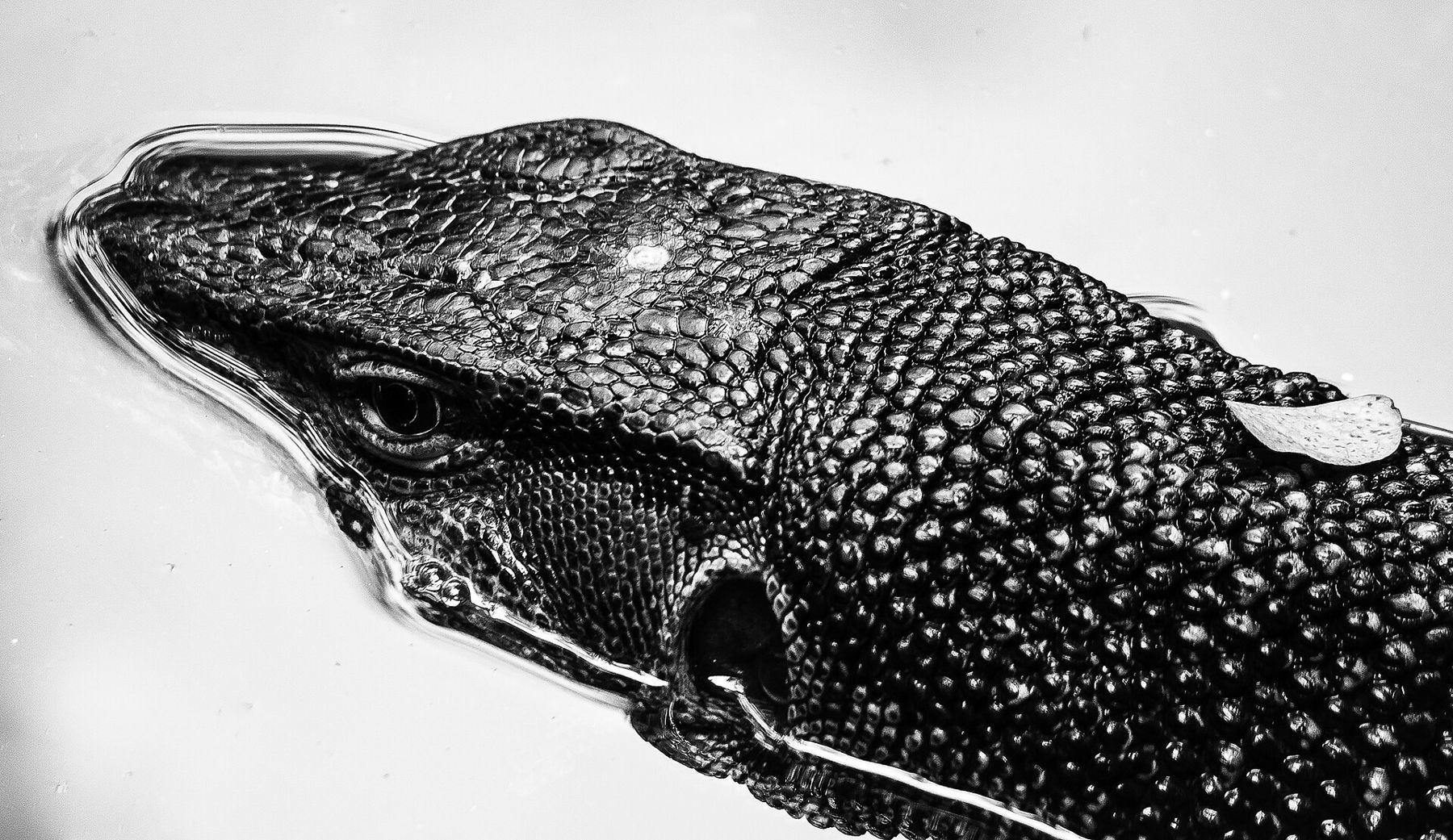
Much more common are the Asian water monitors, large lizards that can grow to two metres or more. They are everywhere in the reserve, lumbering across the paths, swimming in the ponds and basking on the banks. They look prehistoric, with forked tongues and heavy tails, but they are generally harmless if left alone. Do not approach them, do not feed them, and give them room to pass.
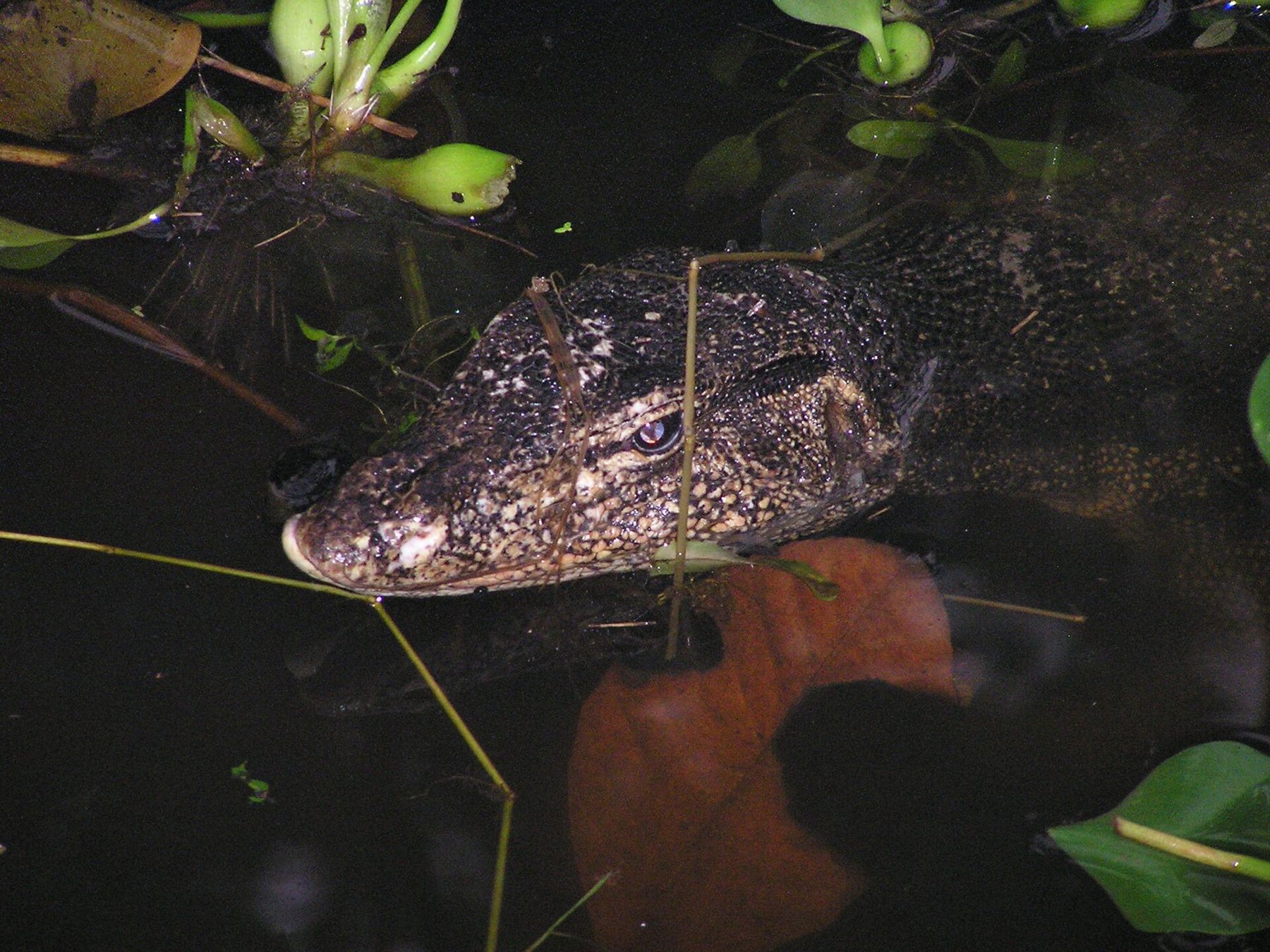
Smooth-coated otters also live here, and families of them are sometimes seen fishing in the channels or running along the banks. Like the crocodiles and the lizards, they are wild and should be watched from a distance.
How to visit
Sungei Buloh is in the far north-west of the island, near Kranji. The easiest way there is by MRT to Kranji, then by bus to the reserve. The journey from the city takes an hour or more, so plan to spend at least half a day. There are two entrances, one at the main Wetland Centre and one at the newer Kranji side, and boardwalks link them. Entry has long been free. Opening hours and arrangements change from time to time, so check before you go. There is a small visitor centre with exhibits on the mangroves and the birds, and staff run guided walks on some days; the schedule, again, changes.
Start early. The reserve opens in the morning, and the first hours are the coolest and the best for wildlife. By midday the heat is intense, and the paths are exposed in places. Bring water, a hat, sunscreen and insect repellent, and wear light, long sleeves if you are sensitive to mosquitoes.
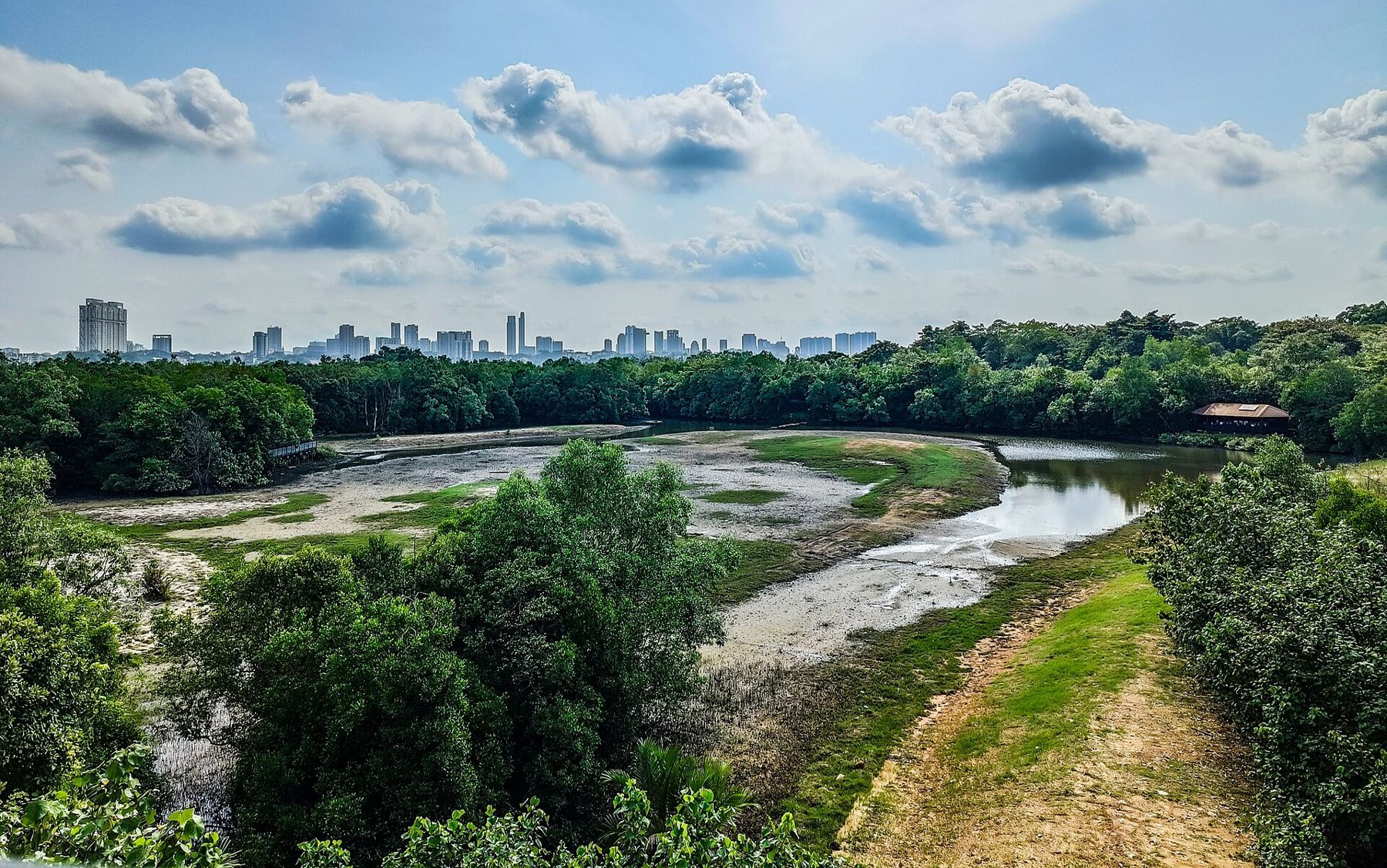
Watch the weather. Afternoon thunderstorms are common, and lightning is a real danger on the open boardwalks and observation towers. If you hear thunder, head for the shelters or the visitor centre and wait it out. For more on the climate, see our guide to the weather and seasons.
If you like Sungei Buloh, the rest of Singapore's wild side is waiting. The forest trails of MacRitchie show the other face of the island's nature, and Chek Jawa on Pulau Ubin has a different, sandier shore.
What stays with you
Most visitors come for the crocodiles and leave talking about something else: the mudskippers, the herons, the roots, the silence of the mangroves at high tide. Sungei Buloh is not a zoo. The animals come and go as they please, and on some days you will see very little. On others, you will see a crocodile, a sea eagle and a flock of whimbrels in the space of an hour.
Sungei Buloh is not a zoo.
Either way, it is a reminder that Singapore is not only a city. Stand on the boardwalk as the tide comes in, the water rising silently around the roots, the waders lifting off the flats in a flock and wheeling over the ponds to roost. Across the strait, the lights of Johor Bahru come on one by one.