Quarters
Chinatown, Kampong Glam, Little India, Tiong Bahru, Joo Chiat and the shophouse streets.
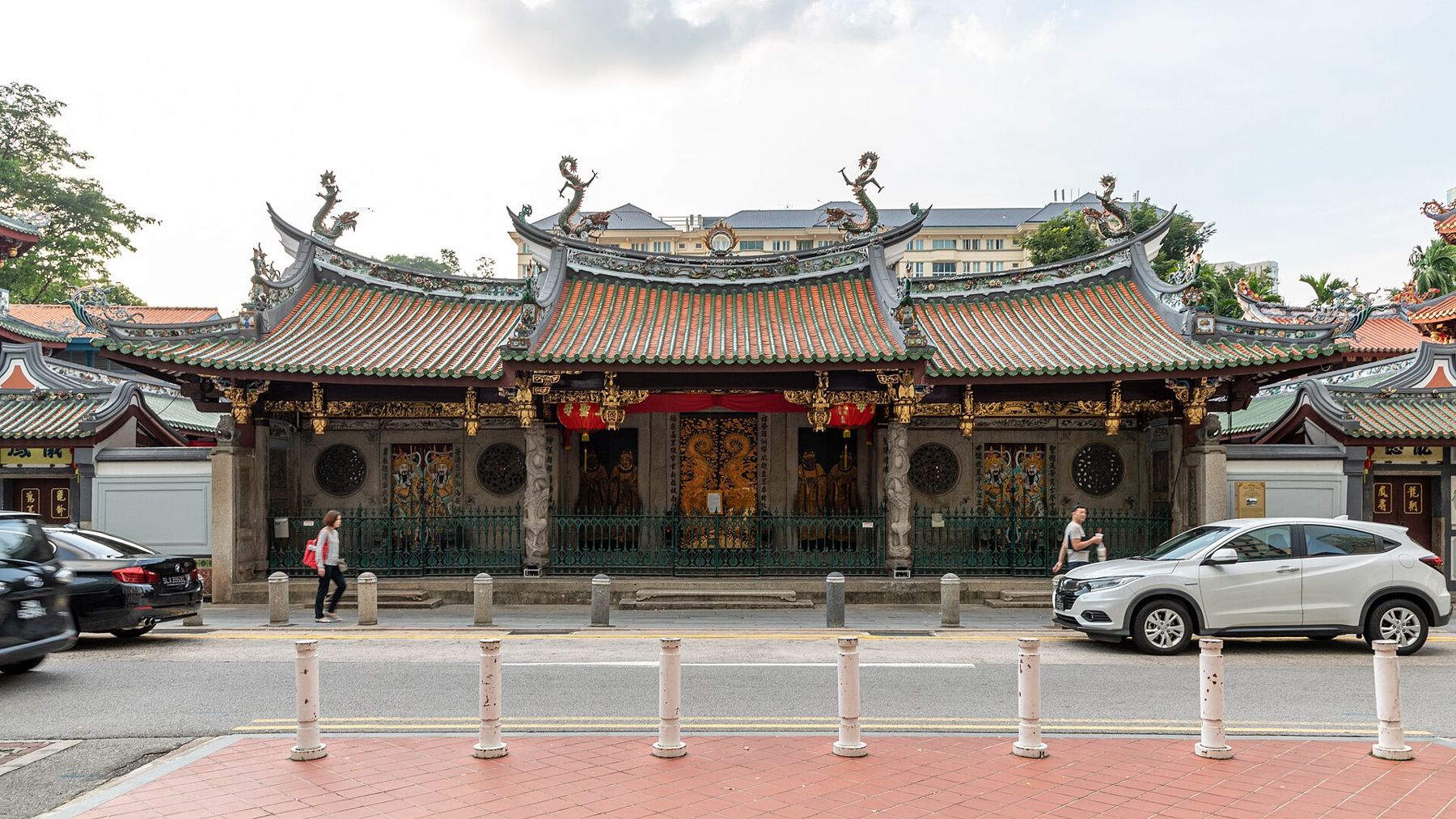
Chinatown, temple to temple, from Telok Ayer to Pagoda Street
A morning walk through the oldest Chinese quarter of Singapore, from a sea goddess's temple on the old shore to the city's oldest Hindu temple, by way of a little hill of shophouses.
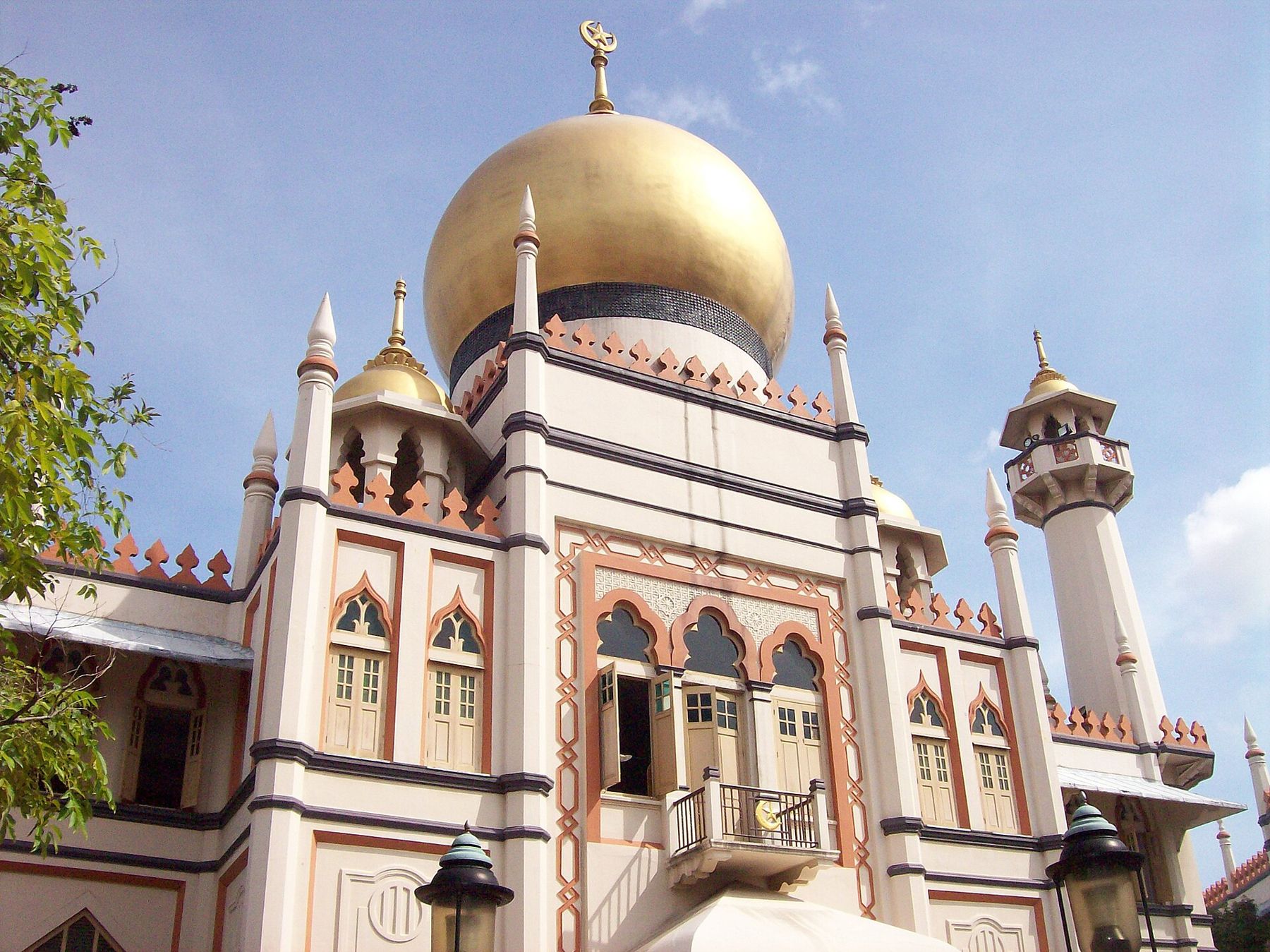
Kampong Glam and the Sultan Mosque: domes, textiles and a sultan's istana
The old royal quarter of the Malay sultan is still the heart of Muslim Singapore. Golden domes, cloth merchants, a palace turned museum, and narrow lanes that come alive at dusk.
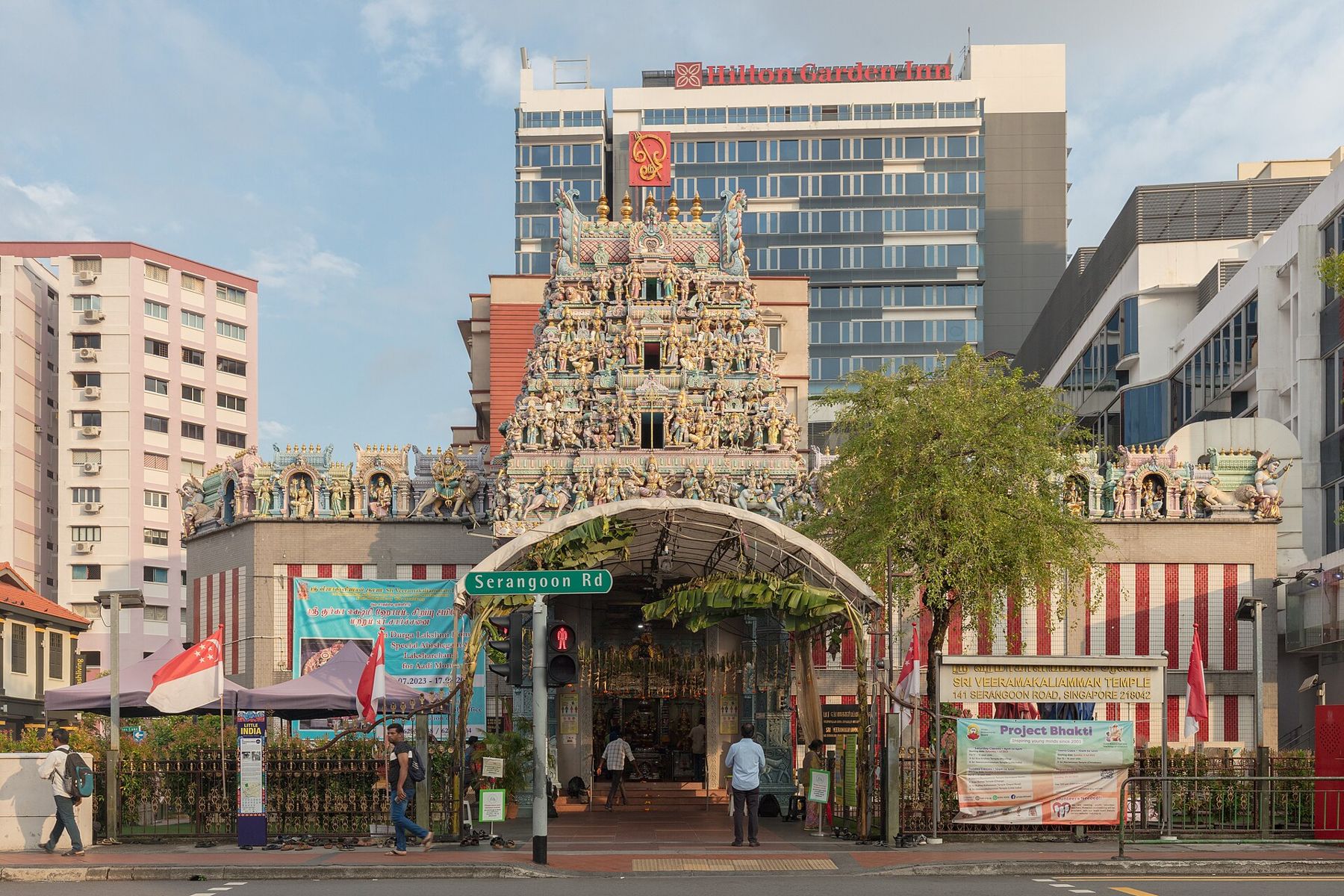
Little India by morning, from the Tekka market to the temples of Serangoon Road
Come early, when the garland makers are threading jasmine, the wet market is in full voice and the temple bells are ringing for the morning prayers along Serangoon Road.
Also in this section
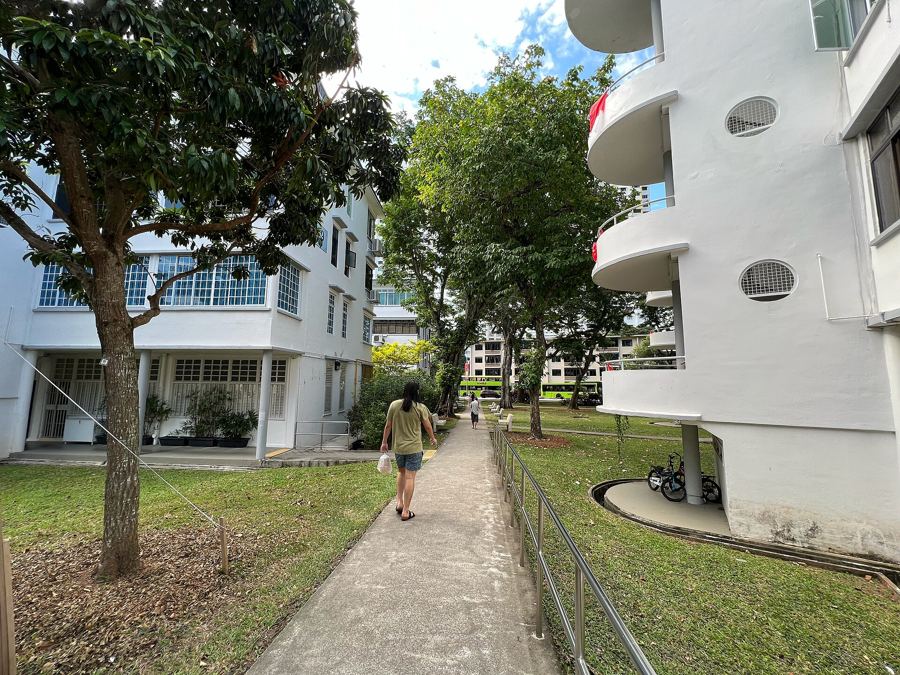
Tiong Bahru, the Art Deco estate where public housing began
Before the tower blocks, there was Tiong Bahru: low white flats of the 1930s with rounded corners, spiral back stairs and a market at the centre, now one of the most loved neighbourhoods in the city.
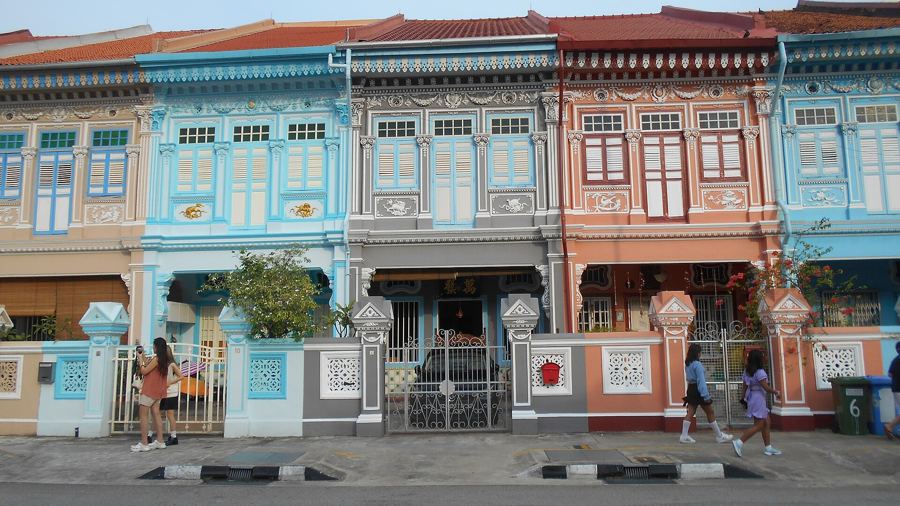
Joo Chiat and Katong, a walk through the Peranakan east
East of the city, pastel terraces, old temples and a famous bowl of laksa mark the district where Peranakan and Eurasian families once kept houses by the sea.
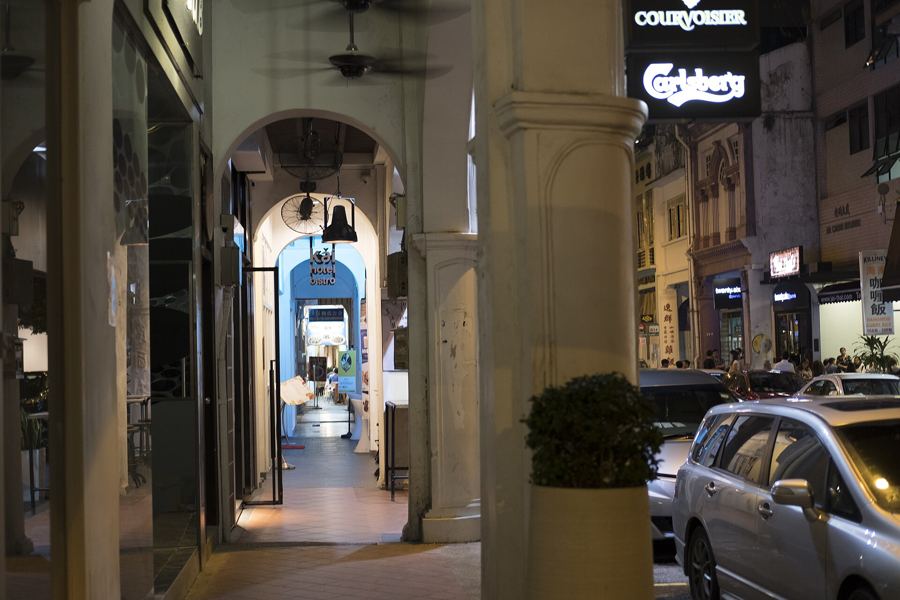
Shophouses, explained: the five-foot way, the styles and why they survived
The narrow, deep shophouse with its covered walkway is the building that shaped Singapore's streets. Here is how to read one, from the first plain rows to Art Deco, and why this magazine borrowed its name.
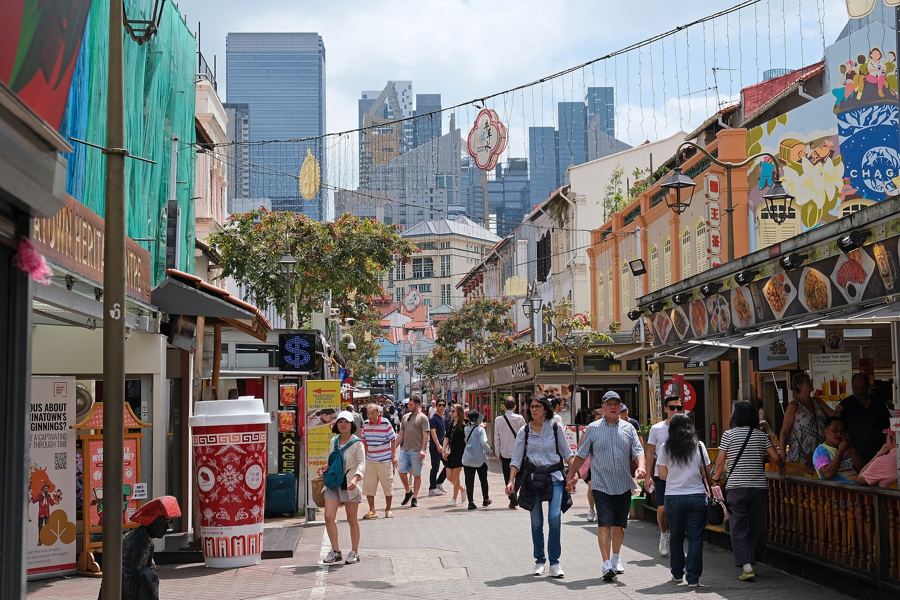
The old quarters, compared: what each one is best for
Seven neighbourhoods, seven characters. A short guide to the city's historic quarters, from temple mornings in Chinatown to Hari Raya evenings in Geylang Serai, and how to choose between them.