Singapore's old quarters are close together, but they are not alike. Each grew around a community, a trade or a plan, and each has kept something different: a temple, a market, a style of building, a time of day when it comes alive. With limited time, it helps to know which is which. Here are seven, with what each does best.
Chinatown
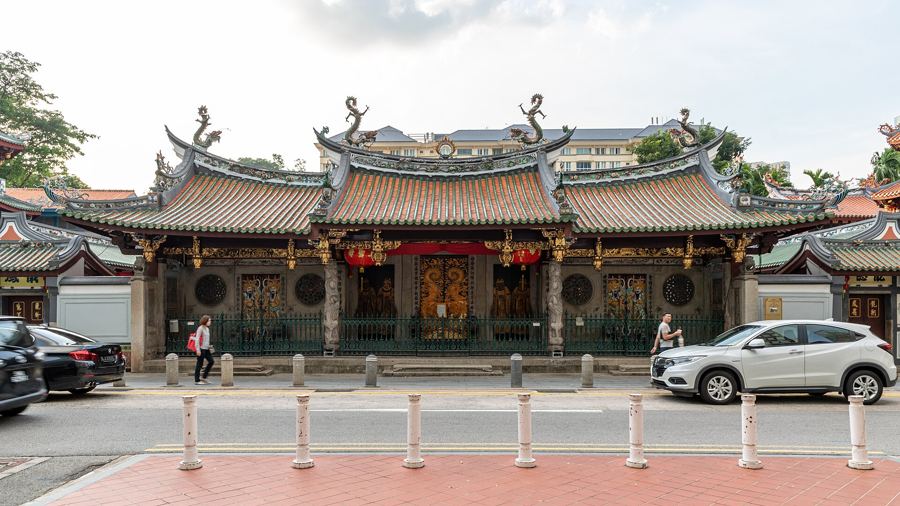
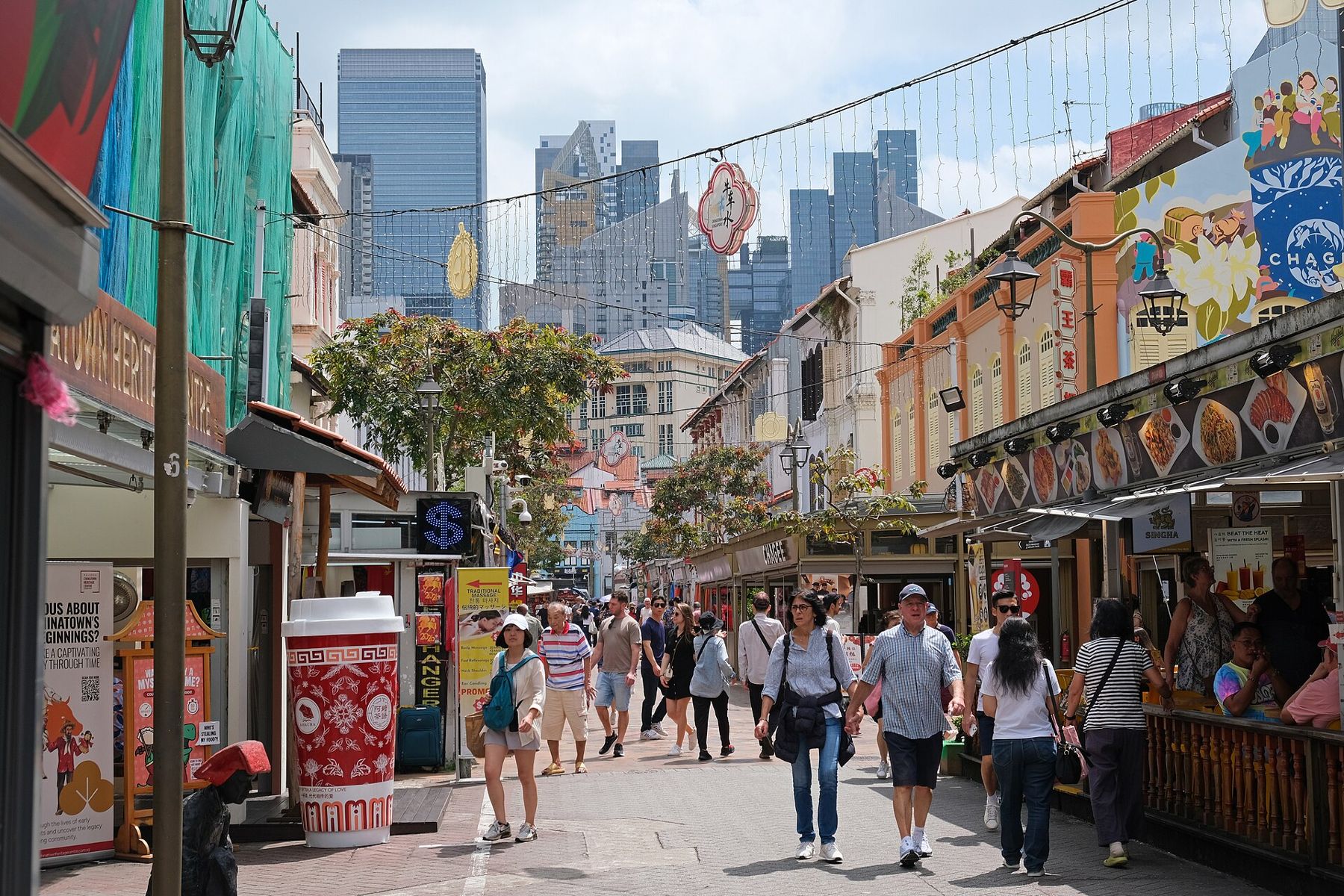
The largest and most varied of the quarters, laid out for the Chinese community under the 1822 town plan. Come for the temples, which span faiths: Thian Hock Keng on Telok Ayer Street, the Sri Mariamman Temple and Masjid Jamae on South Bridge Road, and the modern Buddha Tooth Relic Temple. Come too for the shophouses, which show almost every style from plain early rows to Art Deco, and for the hawker centres. Pagoda Street is busy and touristy; the side streets, Ann Siang Hill and Club Street are calmer. Best in the early morning, when the temples are full of worshippers and the streets are cool. Our Chinatown walk goes temple to temple.
Kampong Glam
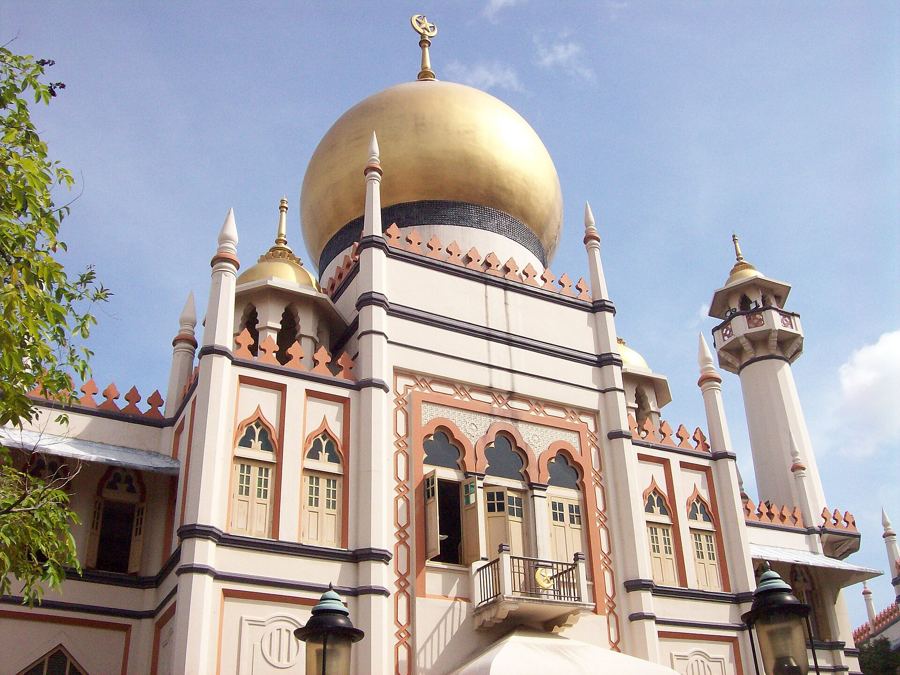
The old Malay royal quarter, set aside for the sultan and the Arab and Bugis traders under the 1822 plan, and still the heart of Muslim Singapore. The Sultan Mosque with its golden domes is the landmark; the Malay Heritage Centre in the old istana tells the history. Arab Street sells textiles, Haji Lane has independent shops and murals, and the restaurants serve food from across the Muslim world. Small enough to see in an afternoon. Best in the late afternoon and evening, and at its fullest during Ramadan, when the streets fill before the breaking of the fast. Dress modestly to visit the mosque.
Little India
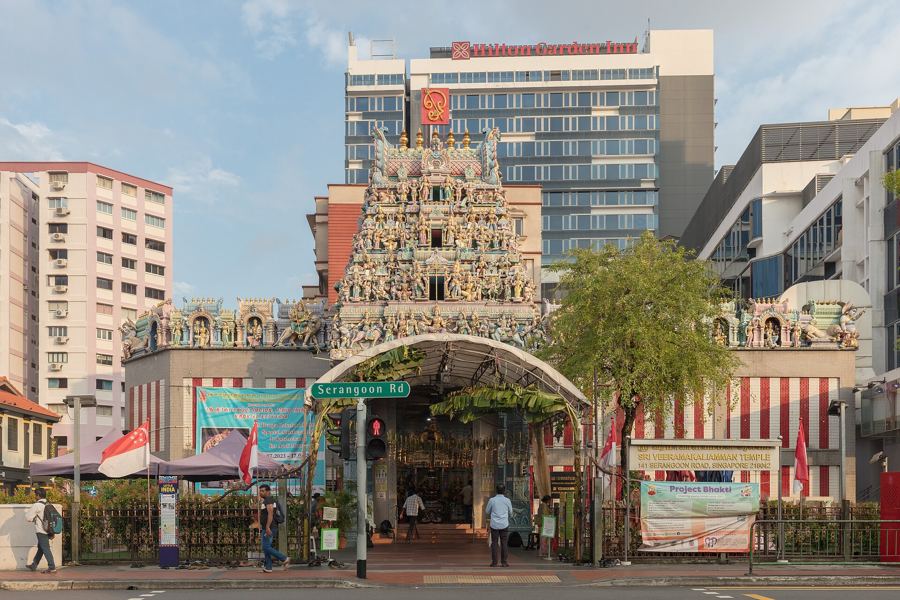
The centre of Indian life in Singapore, grown up along Serangoon Road in the nineteenth century. It is the most intense of the quarters for the senses: jasmine and marigold garlands, spice shops, temple bells, and the Tekka Centre wet market, one of the best markets in the city. The temples, Sri Veeramakaliamman and Sri Srinivasa Perumal, are open to respectful visitors. Food is excellent and good value, from south Indian breakfasts to biryani. Best on a weekday morning; Sunday brings big crowds, and the weeks before Deepavali bring lights and festival stalls along the whole of Serangoon Road.
Tiong Bahru
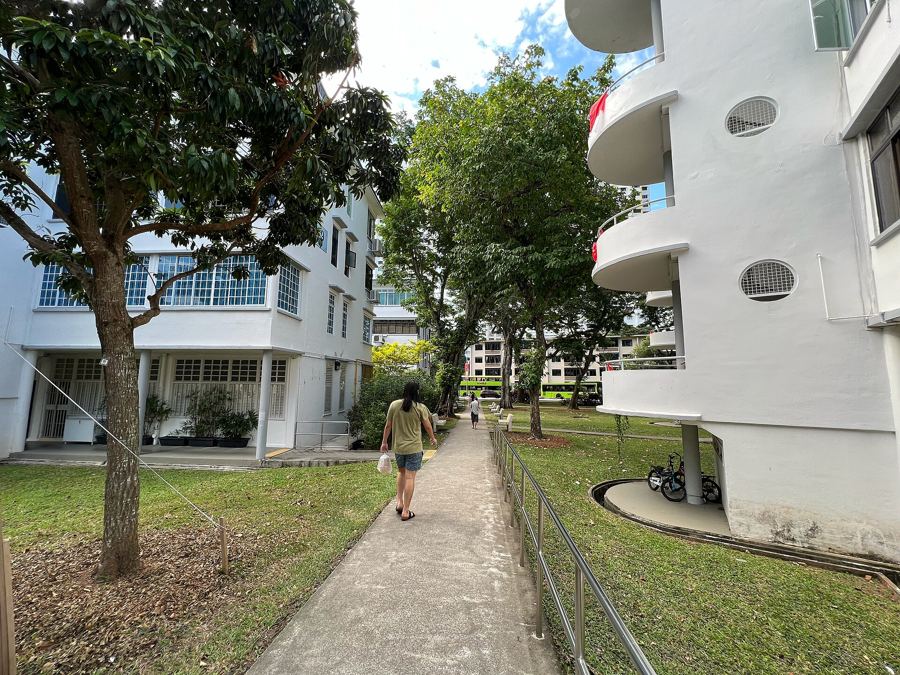
Not a quarter of shophouses but an estate of low Art Deco flats, built by the Singapore Improvement Trust from 1936 and conserved in 2003. It is the quietest of the seven and the most residential, with curved balconies, spiral back stairs and a strong market and food centre at its heart. In recent years cafés, bakeries and bookshops have moved into the ground floors, and weekend mornings draw brunch crowds. Best on a weekday morning, when residents shop at the market and the streets are calm. It suits visitors who like architecture and walking at an easy pace; there are few sights as such, just the estate itself.
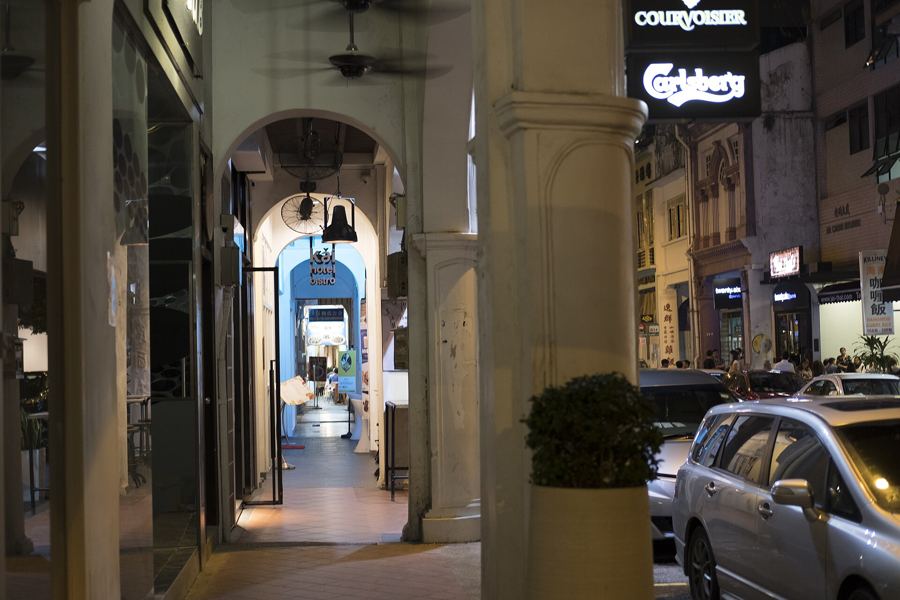 Next stall overShophouses, explained: the five-foot way, the styles and why they survived
Joo Chiat and Katong
The Peranakan and Eurasian east, once a seaside suburb of villas and plantations. Its glory is architecture: the pastel terrace houses of Koon Seng Road, with their plaster and tiles, and the long shophouse rows of Joo Chiat Road. Katong is also known for food, especially Katong laksa, with its short noodles eaten with a spoon, and for shops selling kueh and nyonya ingredients. It is further from the centre than the other quarters but now easy to reach on the newer MRT lines. Best in the morning, for the light on the terraces, followed by lunch. Our Joo Chiat walk links the highlights.
Geylang Serai
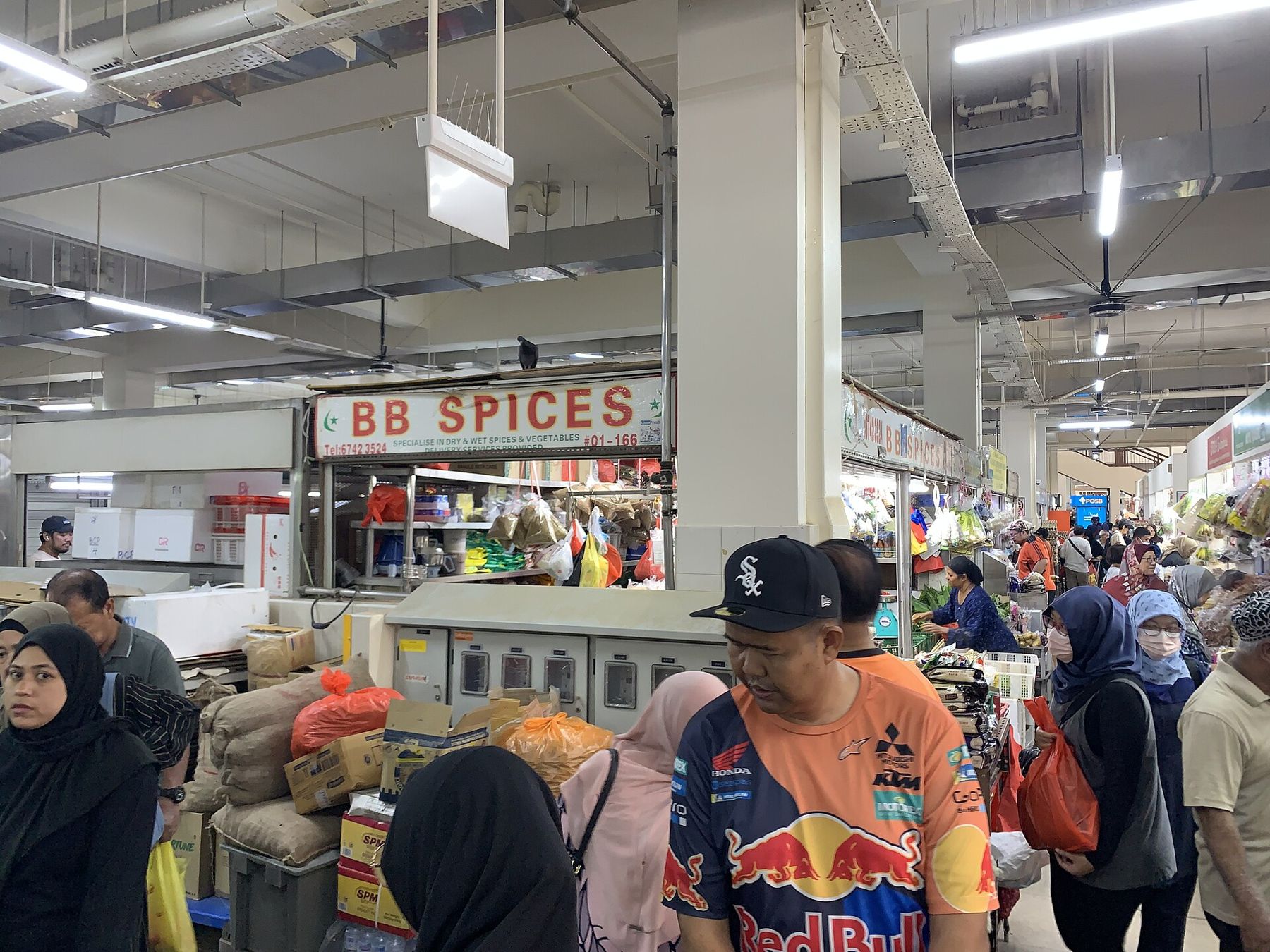
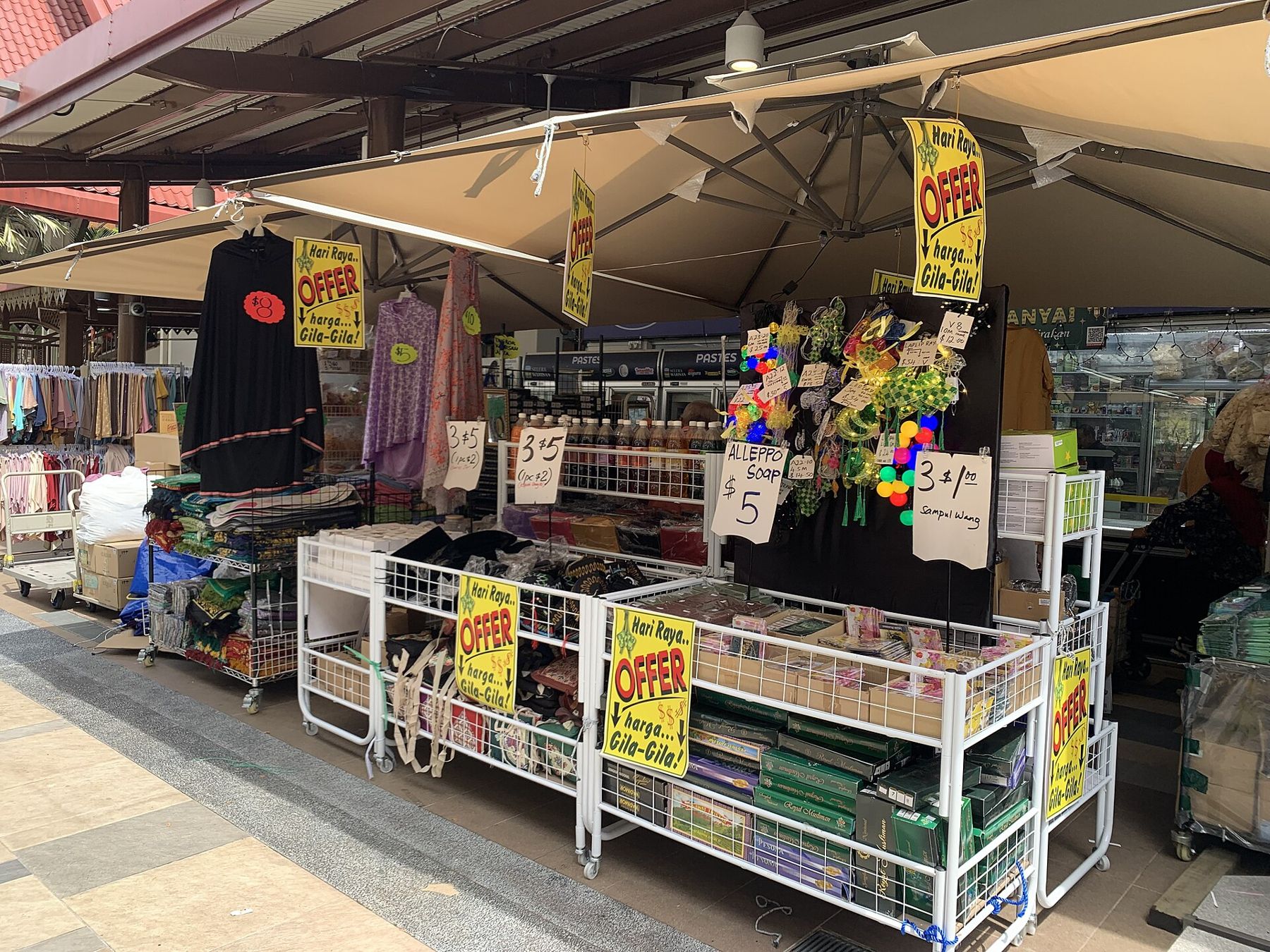
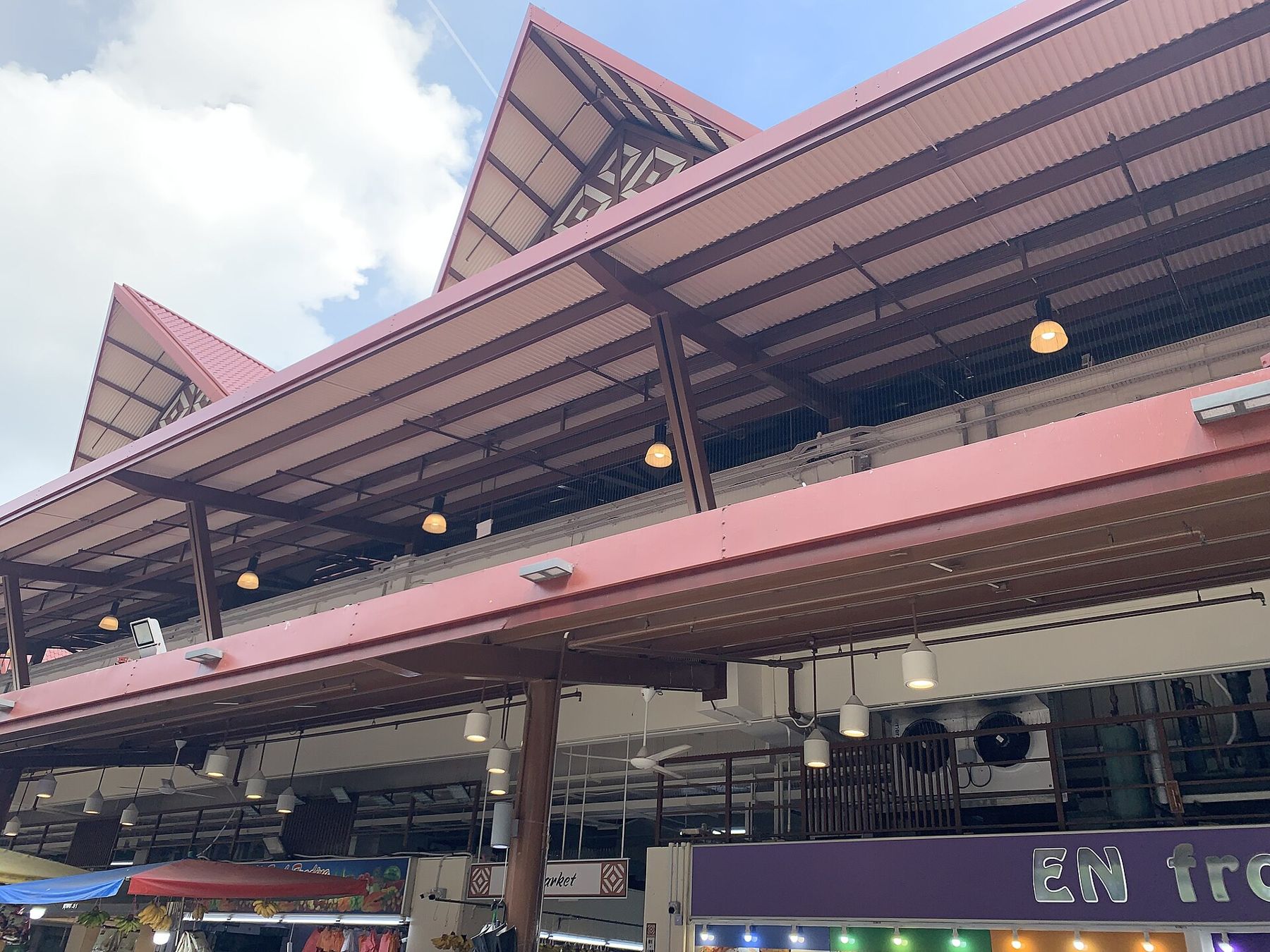
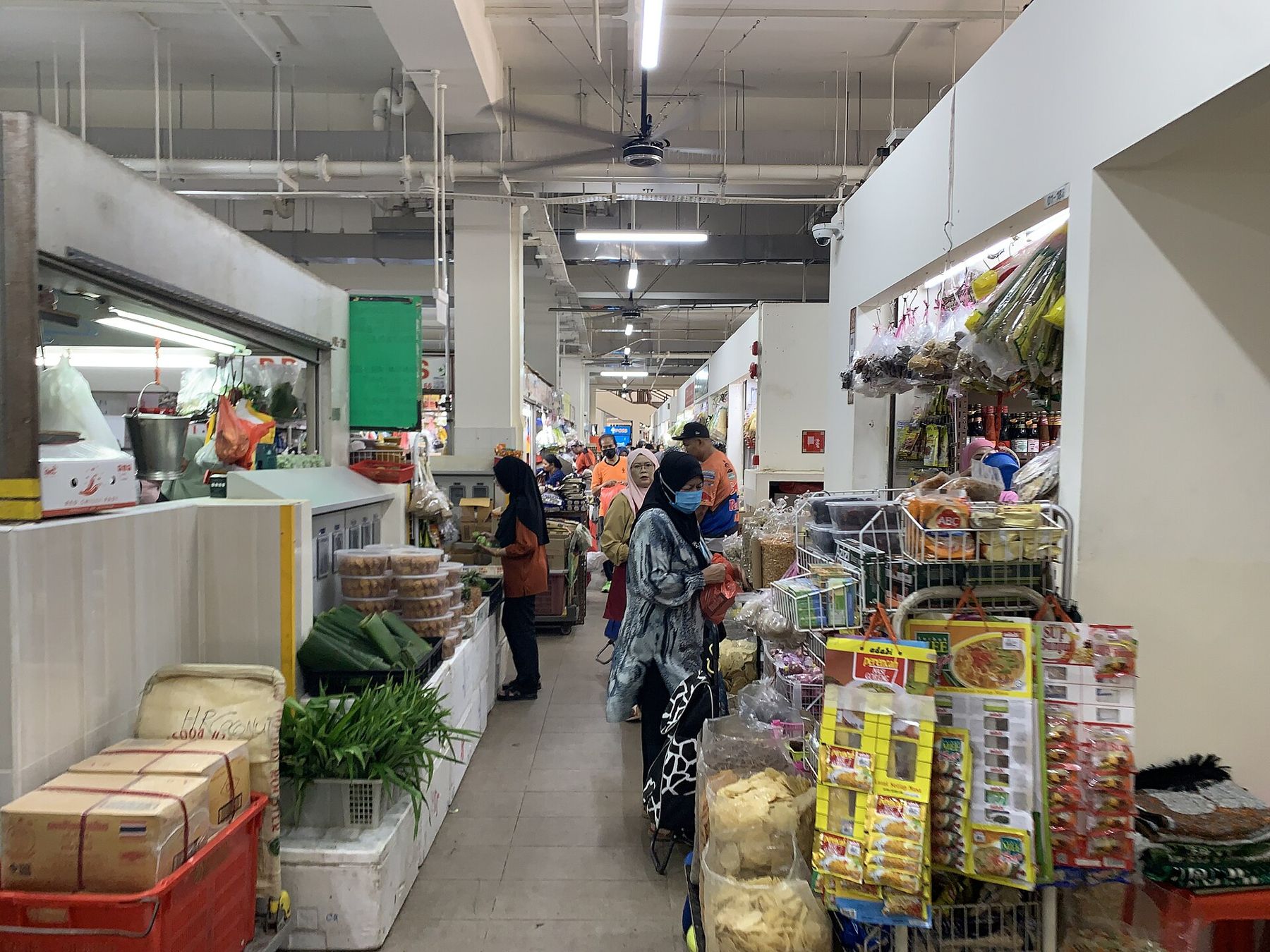
The historic heart of the Malay community in the east, named for the lemongrass, serai, once grown here. Its centre is Geylang Serai Market, rebuilt with roofs inspired by Malay architecture, with a wet market of spices, fish, vegetables and kueh on the ground floor and a busy food centre. Nearby is a large civic and cultural centre. The area is at its liveliest during Ramadan, when a large bazaar of food and festive goods fills the streets in the evenings and the roads are hung with lights for Hari Raya. Outside that season it is a neighbourhood for shopping and eating rather than sightseeing, and all the better for it.
Holland Village
The odd one out. Holland Village grew up as a village near the British military camps west of the city, and it became, in the second half of the twentieth century, a favourite haunt of expatriate families and students. It has no great monuments, and its old low buildings are giving way to new developments. What it offers is a relaxed, cosmopolitan mood: cafés, bars and restaurants, a pedestrian lane of outdoor tables, a small food centre, and quiet streets of houses around it. Best in the evening. It is an easy stop on the Circle Line, and pairs well with a morning at the Botanic Gardens.
How to choose
If you have one morning, choose Chinatown for breadth or Little India for intensity. If you have an afternoon and an evening, Kampong Glam is the best value: the mosque by daylight, the lanes and restaurants after dark. If you love architecture, add Joo Chiat or Tiong Bahru. If your visit falls in Ramadan, spend an evening in Kampong Glam or Geylang Serai, and the market in the day.
Holland Village is for an easy evening when you have seen enough sights. And if you can only manage one market, make it Tekka Centre early in the morning, when the fish is on ice, the spice grinders are running and breakfast is being served a few steps away.
All of these places are neighbourhoods where people live and work, and most include places of worship. Dress modestly where needed, keep your voice down in residential lanes, and ask before photographing people. To read the buildings as you walk, start with the shophouse, explained; for a quieter quarter that is a story in itself, see Tiong Bahru.