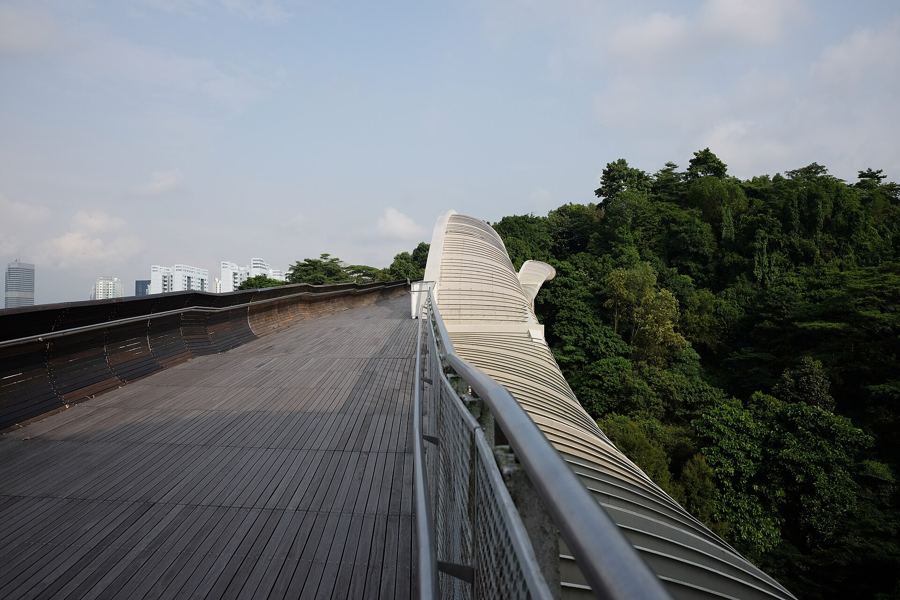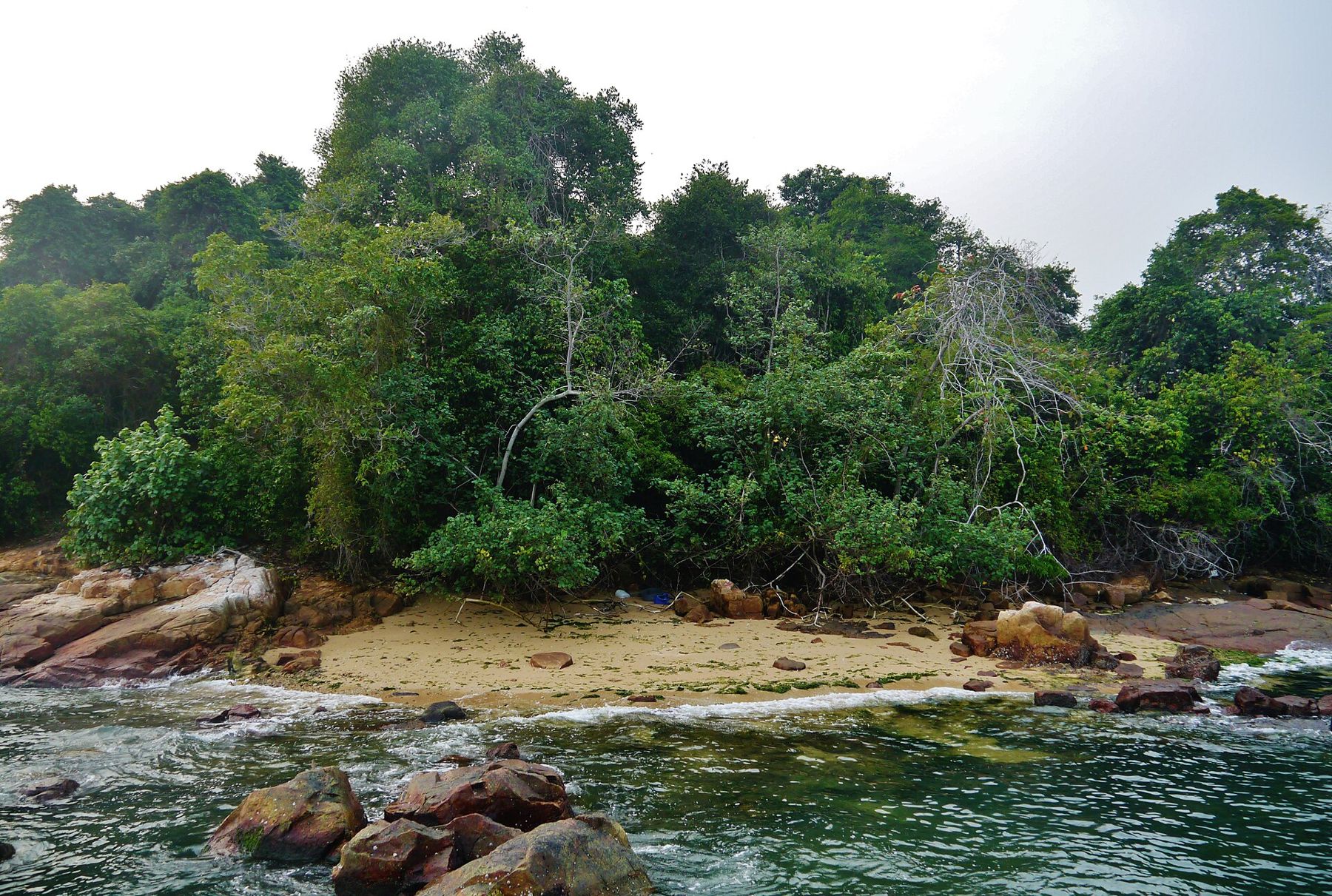
The bumboat from Changi Point is a wooden boat with a canvas roof, an outboard motor and benches for a dozen people. It leaves when it is full. Nobody announces this; the boatman simply waits until the last seat is taken, pushes off, and swings out into the strait. Ten minutes later you step onto a jetty on Pulau Ubin, an island that looks the way much of Singapore looked half a century ago.
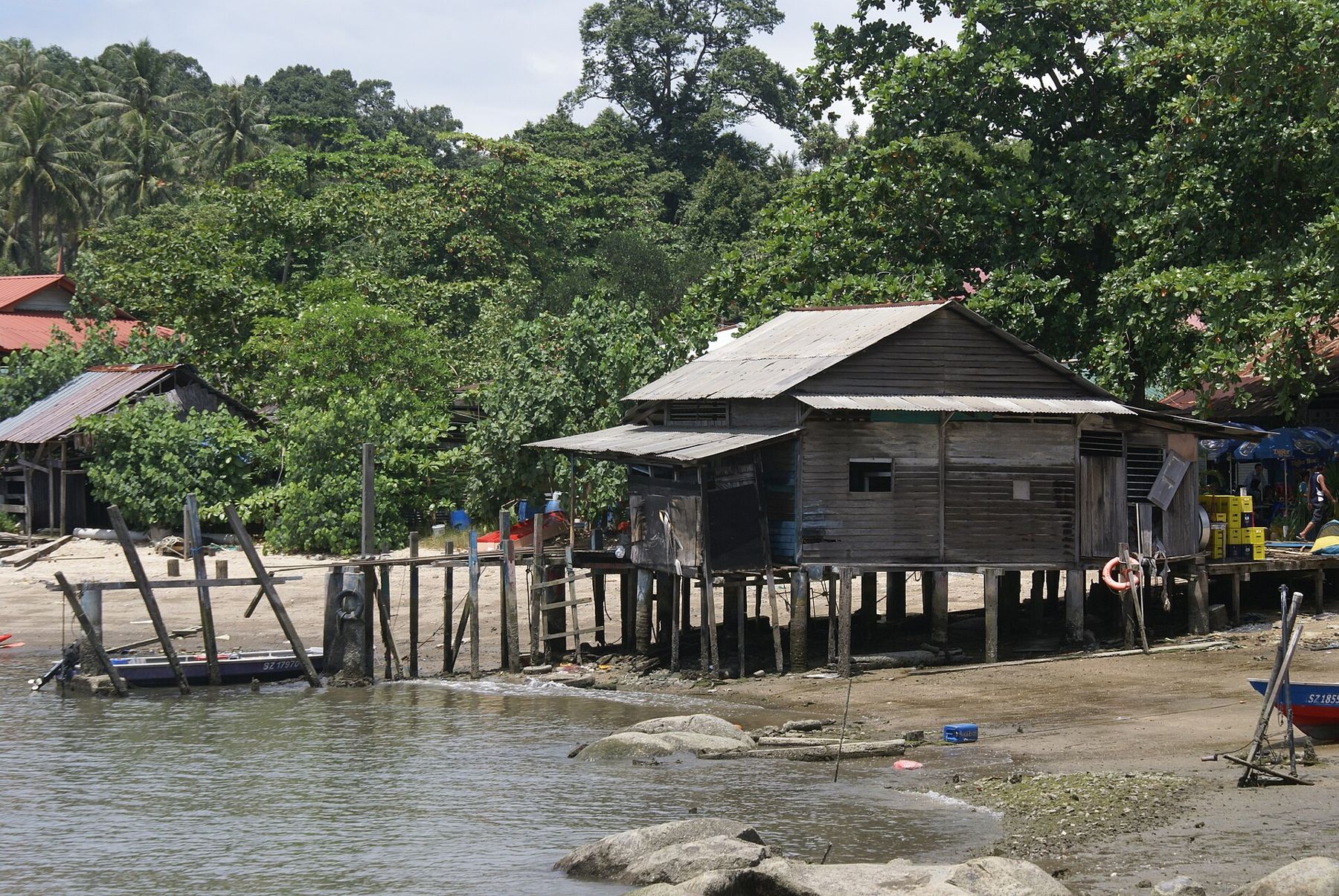
Ubin lies off the north-east coast, between the main island and Malaysia. For decades it was a quarrying island, its granite cut and shipped for the roads and buildings of the growing city, and a home to a few thousand villagers who farmed, fished and tapped rubber. The quarries have closed, most of the villagers have moved away, and only a few dozen residents remain. What is left is a green, quiet island of dirt roads, zinc-roofed houses, old quarry lakes and mangrove shores, and some of the richest wild coast in the country.
Morning: the boat and the bicycle
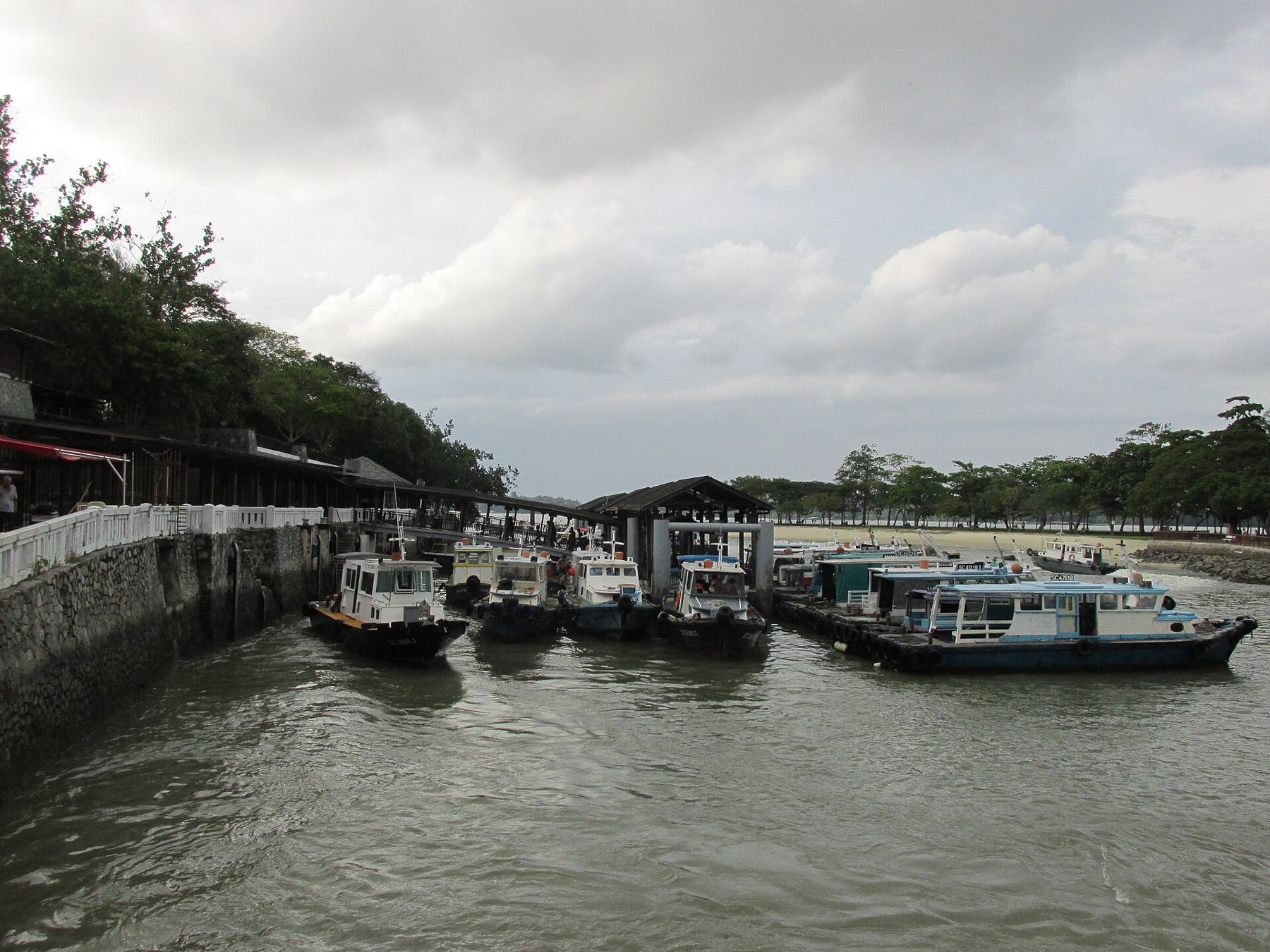
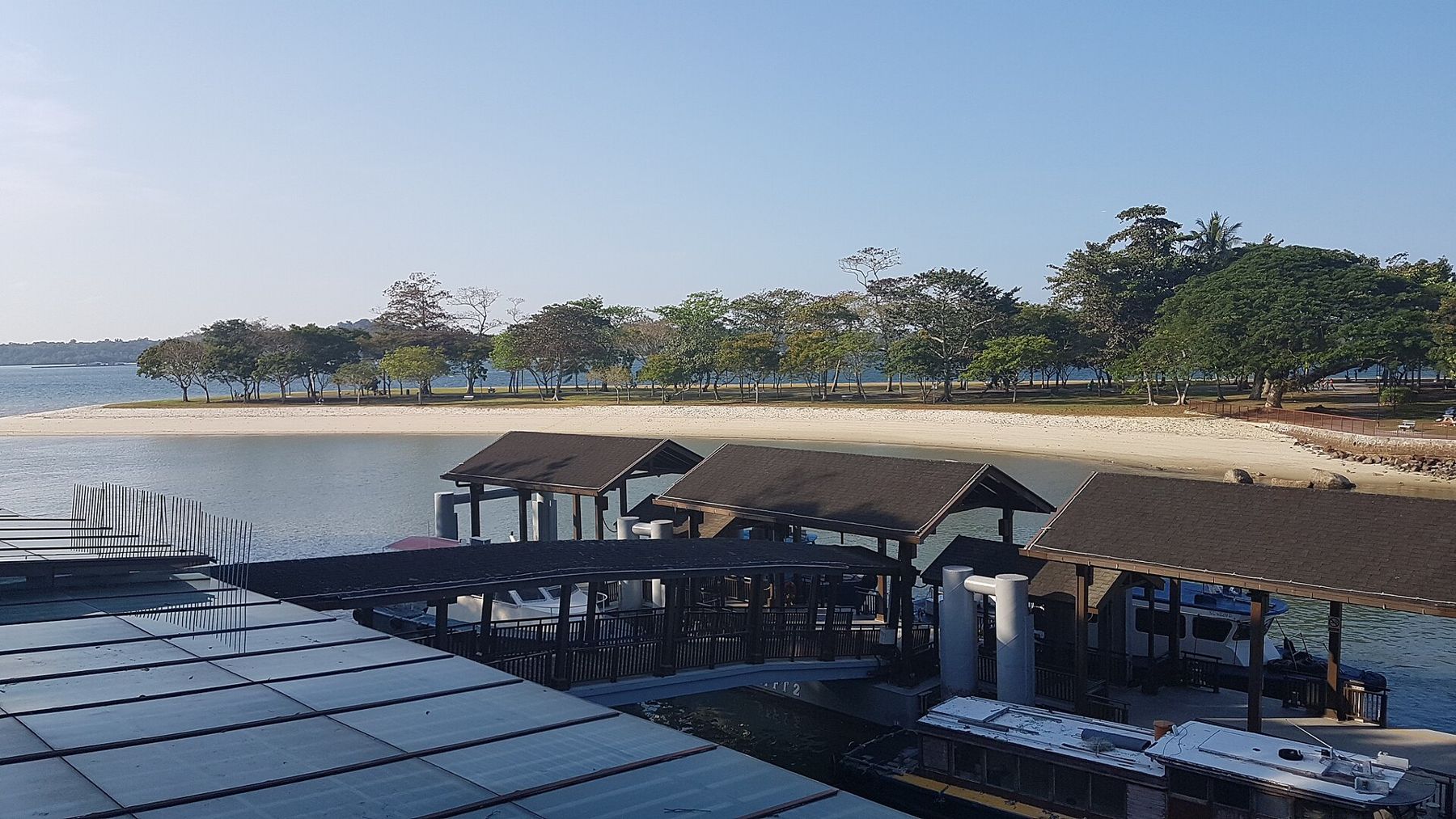
Get to Changi Point Ferry Terminal early, by eight if you can. It sits beside Changi Village at the eastern tip of the main island, a bus ride from the nearest MRT stations. The bumboats leave from a small jetty, and there is no timetable: boats run from early morning until early evening, each leaving when it has a full load of passengers. Fares are paid in cash and change from time to time. On weekend mornings there may be a queue; on weekdays you may wait a few minutes for the boat to fill.
The crossing is short and pleasant, with the breeze on your face, cargo ships at anchor in the distance and the green line of Ubin growing ahead. You land at the main jetty, beside the island's small village of shophouses, bicycle rental shops and a few eateries.
Hire a bicycle. There are several rental shops by the jetty, with bikes of varying condition, and the rates change with the season and the bike. Check the brakes, the tyres and the gears before you pay, and ask for a lock and a basket. Cash is best. Children's bikes and tandems are usually available, and some shops hire out helmets.
Late morning: Chek Jawa
Ride east to Chek Jawa, at the far tip of the island. The road is mostly paved and gently hilly, and the ride takes perhaps half an hour at an easy pace. Leave your bike at the rack near the entrance and walk the last stretch.
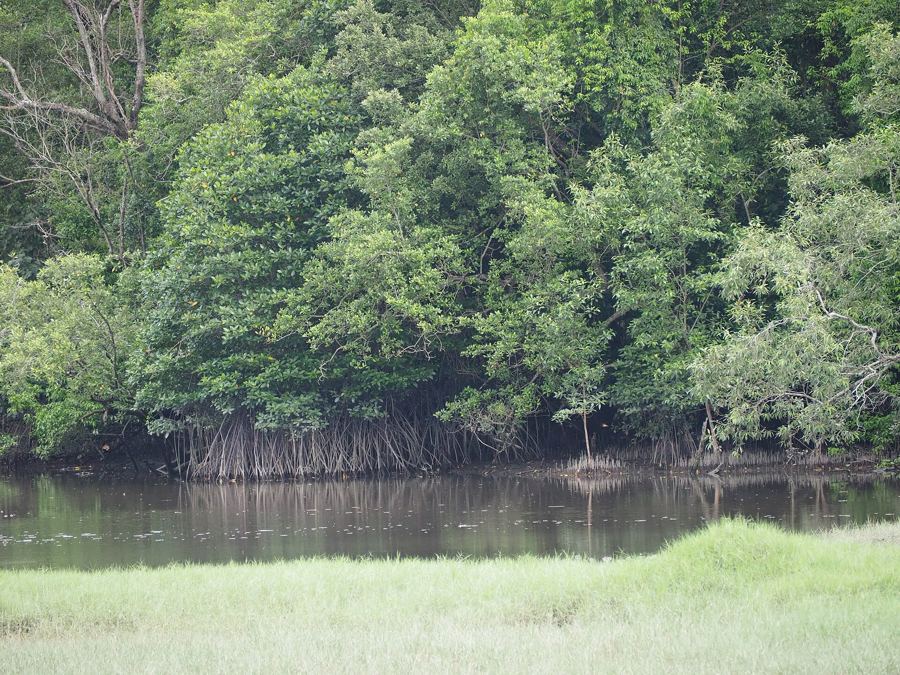
Chek Jawa is a wetland where several habitats meet on one small shore: sandy beach, rocky shore, seagrass lagoon, coral rubble, mangrove and coastal forest. At low tide, the flats are exposed and full of life: sea stars, sea cucumbers, crabs, anemones and the wandering shapes of moon snails. In 2000 the area was earmarked for land reclamation; public interest in its biodiversity led the government to defer the plans, and it is now protected and visited by boardwalk.
The coastal boardwalk loops out over the shore and back through the mangroves. Walk it slowly, and time your visit for low tide if you can; the tide tables are published, and the difference between high and low water is the difference between a pleasant walk and a remarkable one. At the start of the boardwalk stands Jejawi Tower, a tall viewing tower that rises above the canopy, with views over the coastal forest to the sea. Near the beach is House No. 1, an old Tudor-style house that now serves as a visitor centre.
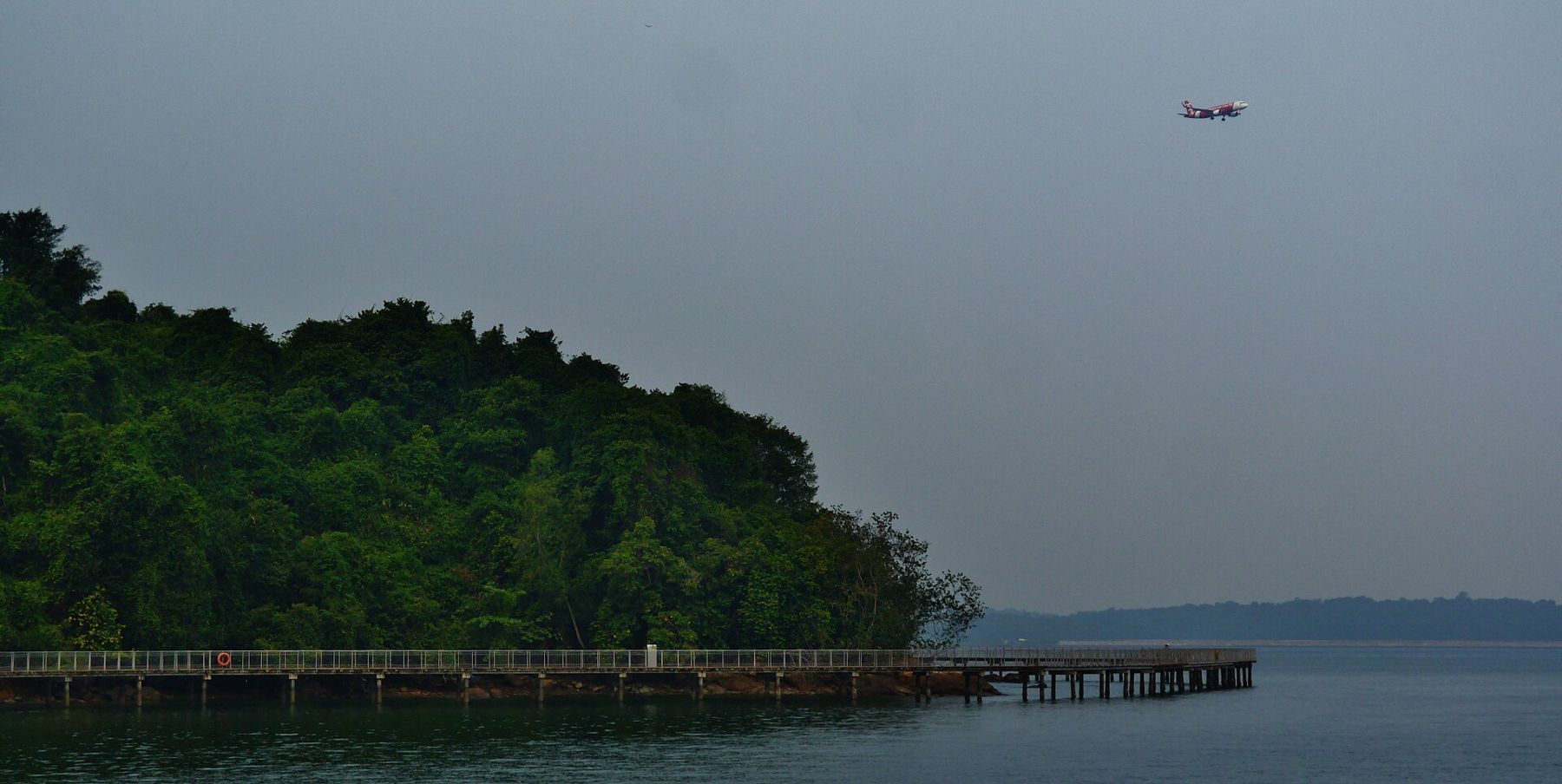
Stay on the boardwalk. The flats are delicate, and the animals are easily crushed underfoot.
 Next stall overSungei Buloh, where the mangroves meet the strait
Lunch in the village
Ride back to the village for lunch. The eateries near the jetty serve simple seafood, noodles and rice dishes, and cold drinks in glass bottles. Opening hours are irregular, and some places close on weekdays, so bring a snack just in case. Sit under a fan, rest your legs and watch the bumboats come and go.
Near the jetty is a Chinese temple with a pond in front, decorated with statues and lanterns. It is a working temple, so be respectful and quiet if you go in.
Afternoon: quarries and kampong houses
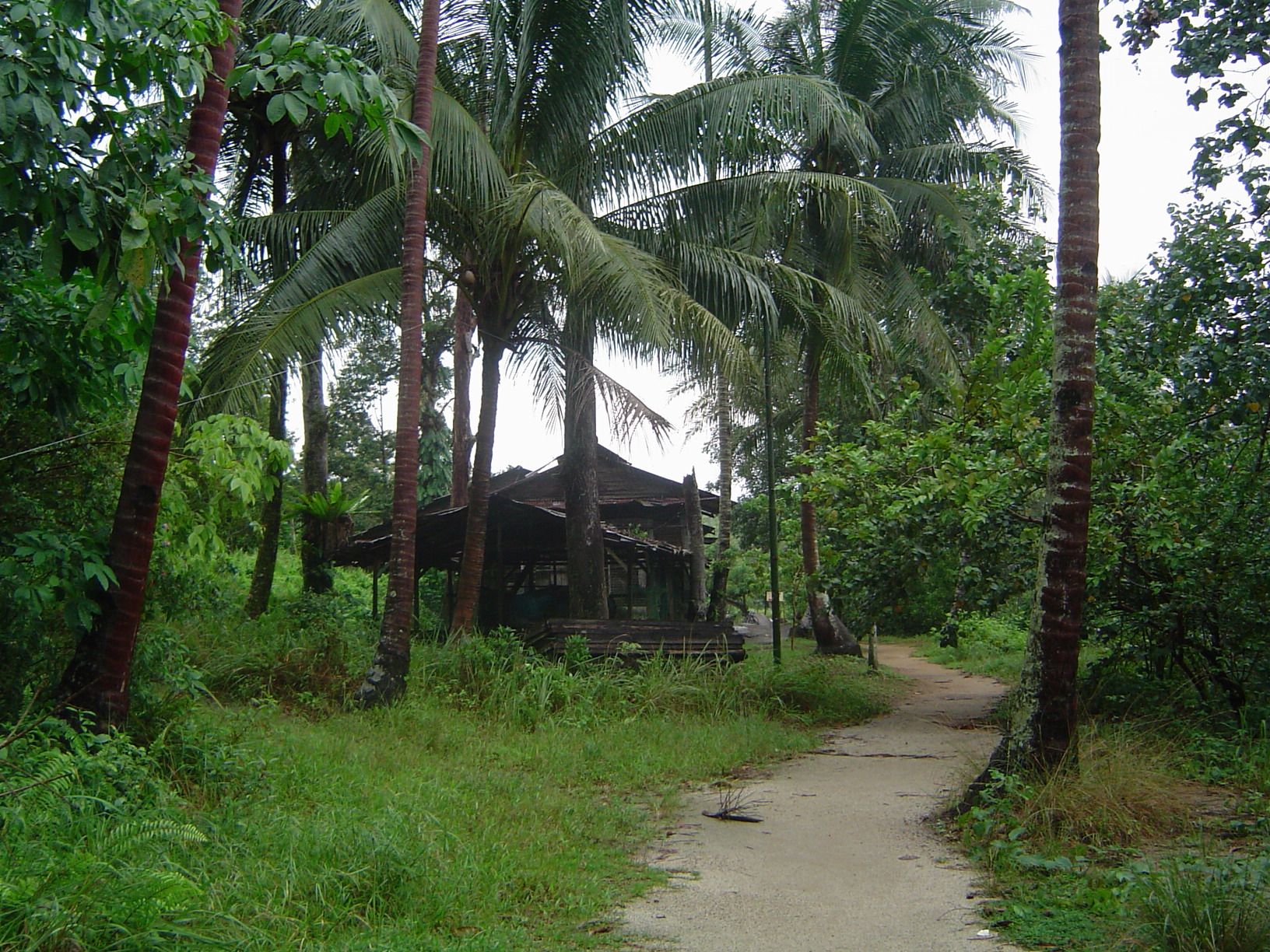
After lunch, ride west into the island's interior. The roads here are rougher, some of them dirt tracks, and they wind between rubber trees, coconut palms and secondary forest. Along the way you will pass old kampong houses, wooden or concrete on stilts, with zinc roofs, verandahs and fruit trees in the yard. Some are still lived in, so do not wander into gardens or take photographs of people without asking.
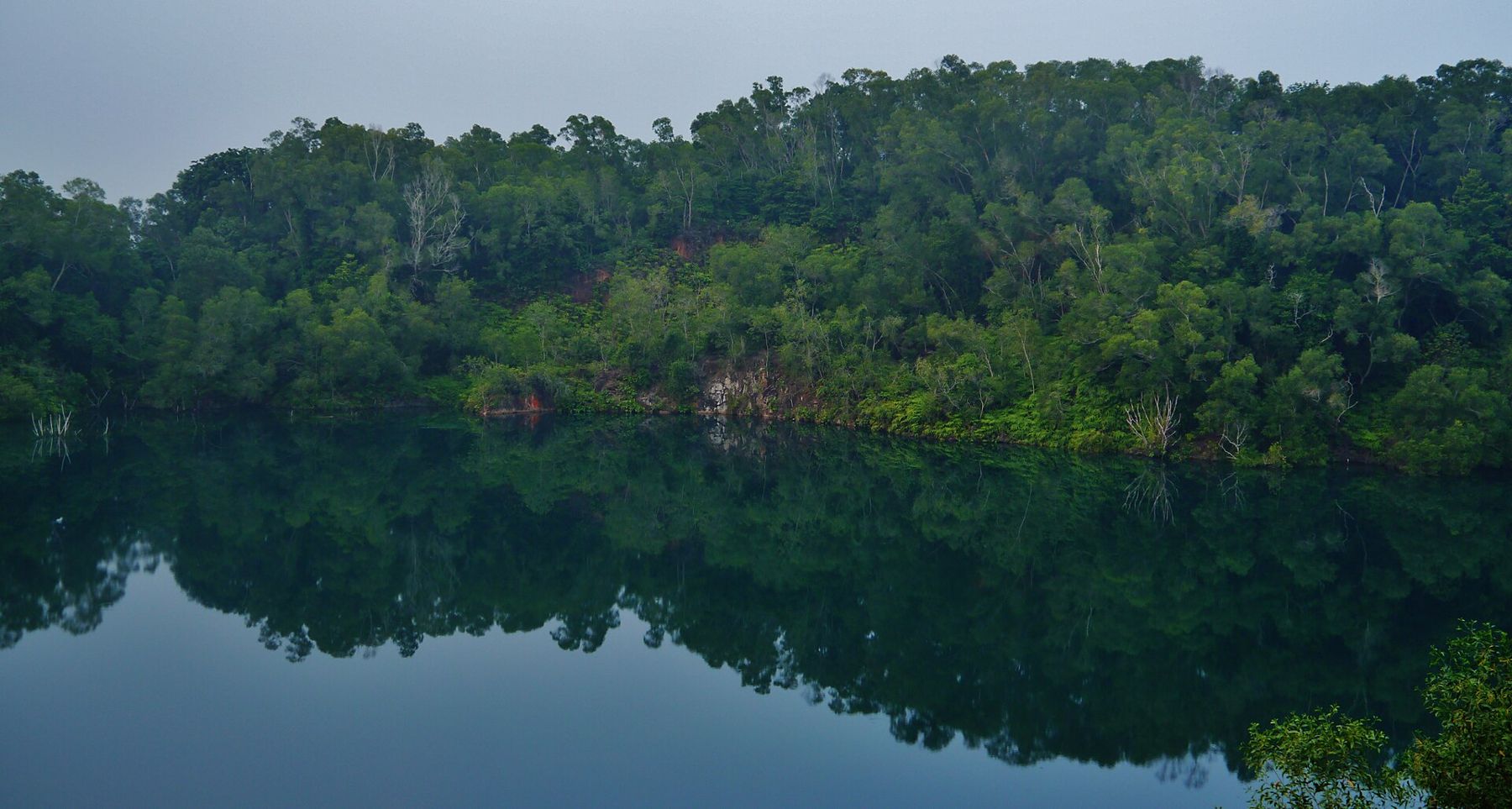
The granite quarries are the island's other landscape. When quarrying ended, the pits filled with rainwater and became still, deep lakes, ringed by cliffs and forest. They are beautiful and dangerous: swimming is prohibited, and the water is deep and cold below the surface. Ketam Quarry, on the western side, has a mountain bike park nearby with trails for different levels of skill.
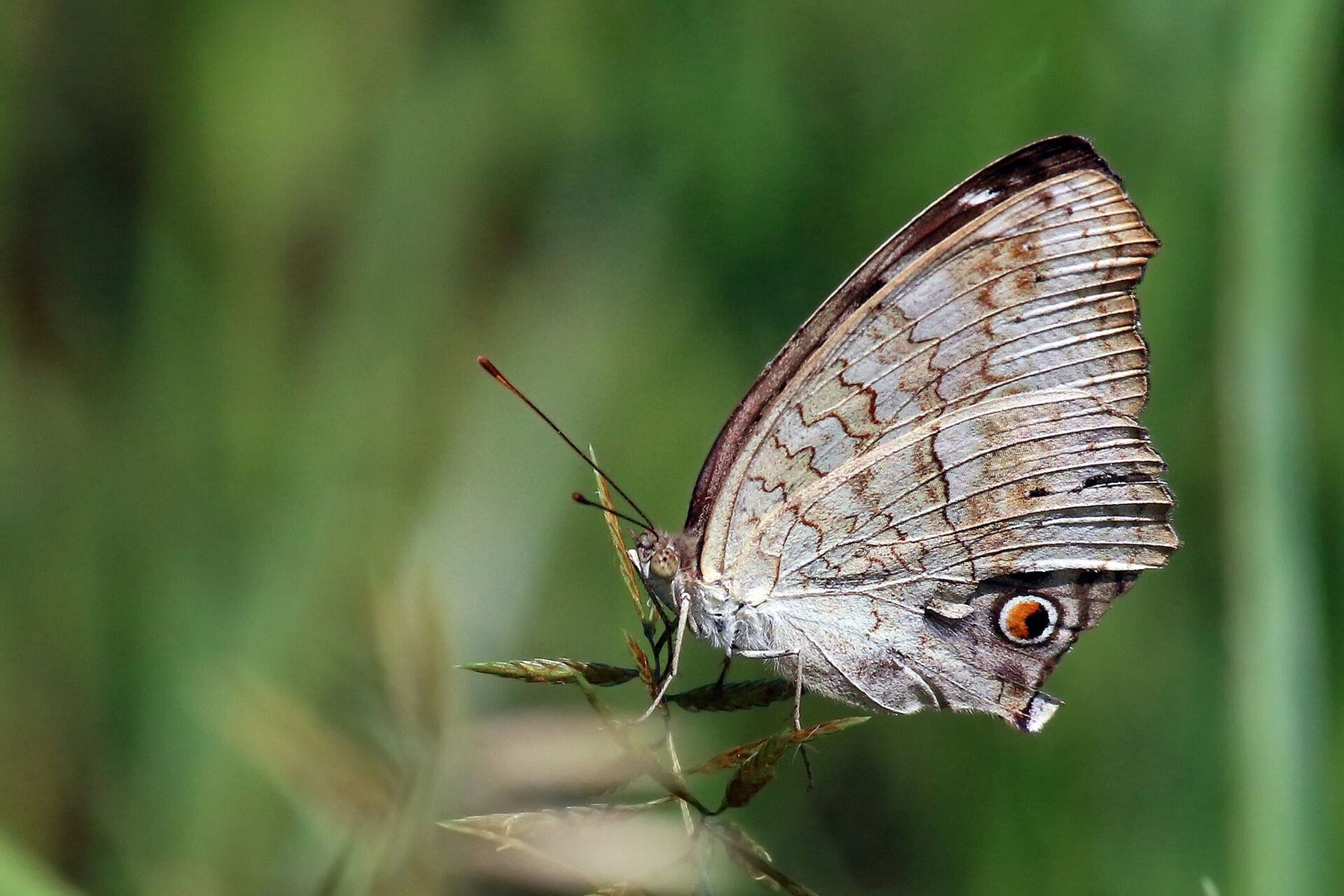
Watch for wildlife on the roads. Wild boar roam the island, and they are not shy; give them space and do not feed them. Oriental pied hornbills, large black-and-white birds with heavy casques, are often seen in the trees, and the island has many butterflies, from the grey pansy to the large swallowtails.
Evening: back to Changi
Return your bike by late afternoon and catch a bumboat back to Changi Point. The last boats leave in the early evening, but times vary, and it is not worth cutting it fine. As the boat pulls away, look back at the island: the jetty, the trees and the hills, the zinc roofs catching the low sun.
Changi Village, beside the ferry terminal, has a busy hawker centre where you can have dinner. It is known for nasi lemak, but there is plenty more, and the stalls are a pleasant place to sit after a long day on the bike. For more on how to order, see our guide to how a hawker centre works.
Practical notes
Pulau Ubin is hot and exposed in places, and the roads offer little shade at midday. Bring at least two litres of water per person, sunscreen, a hat and insect repellent. Afternoon thunderstorms are common, particularly during the monsoon seasons; if you hear thunder, get off your bike and take shelter in a building or under a solid roof, not under a lone tree. The weather changes fast here.
There are few shops on the island, and none away from the village, so carry what you need. Mobile reception is patchy in places. The island is closed to private cars; the only vehicles you will see are old vans that ferry residents and the occasional taxi van that can take you to Chek Jawa if you prefer not to cycle.
Respect the place. Pulau Ubin is a nature area and a home. Take your rubbish back with you, stay on the paths and boardwalks, and keep your voice down near houses.
Above all, go slowly. Ubin rewards the visitor who stops to watch a monitor lizard cross the road, or a heron fishing at the edge of the mangroves, rather than the one racing to see everything. By the time the bumboat swings back into Changi Point, the island will already feel a long way away.