At ten past twelve on a weekday, the queue at a popular stall can run twenty deep, and every table in sight has something on it: a packet of tissues, an umbrella, a staff lanyard, a name card. Nobody is sitting there. The seats are taken anyway. This is the first lesson of the Singapore hawker centre, and it is the one that baffles visitors most.
A hawker centre is a large, open-sided building, usually run by the state, holding dozens of small cooked-food stalls around a shared floor of tables and stools. Each stall does one thing, or a handful of related things, and most are run by the people cooking. The rules are simple once you know them, and nobody will explain them to you, so here they are.
What is a hawker centre, and why does Singapore have so many?
Hawkers once worked the streets: pushcarts, baskets on shoulder poles, stools set out along the five-foot ways of Chinatown and the river quays. By the middle of the twentieth century the streets were crowded and the conditions hard to keep clean, and from the late 1960s and through the 1970s the government licensed hawkers and moved them into purpose-built centres with running water, drainage and proper stalls. Many centres sit beside a wet market or at the foot of public housing blocks, which is why nearly every neighbourhood has one within walking distance.
The result is a public dining room for the whole island. Office workers, construction crews, retirees and families eat side by side, at prices that remain well below a restaurant's, though they rise over time like everything else.
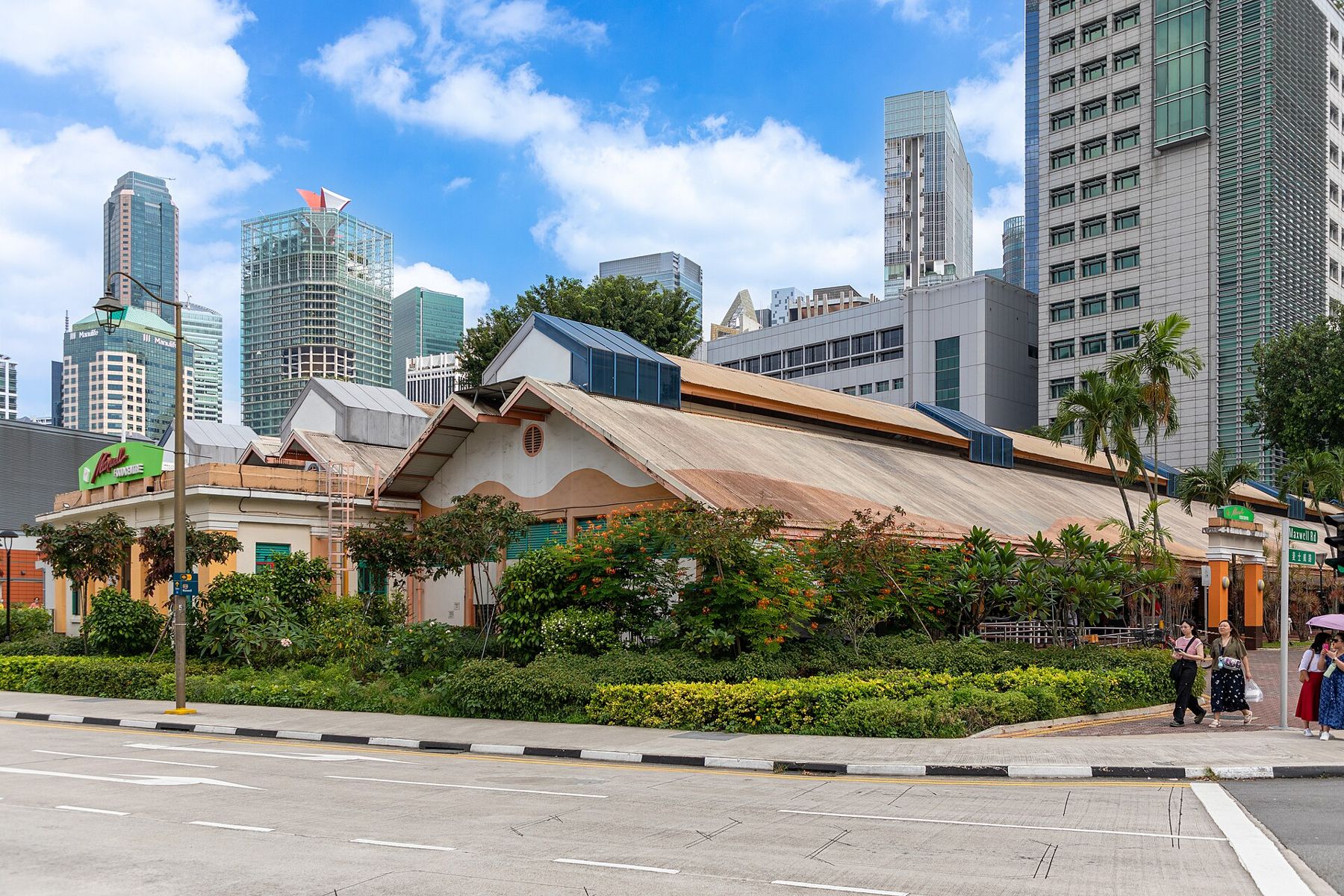
What does "chope" mean, and is the tissue packet serious?
It is serious. To chope (say "chope", rhyming with "rope") is to reserve, and the classic marker is a small packet of tissues left on a seat or table. An umbrella, a lanyard or a water bottle does the same job. If a table has one, it is spoken for, even if it looks empty; sit elsewhere.
The polite way to do it yourself: in a pair or group, one person holds the seats while the others queue. Choping a whole table for one person at the height of lunch draws looks. When the centre is full, it is normal to ask a stranger at a half-empty table whether the other seats are free. A nod is all you need, and nobody expects conversation.
How do the queues work?
Each stall has its own queue, and the length of the queue is the most honest review in the building. Office crowds know which stalls are worth a twenty-minute wait, and you can read their judgement from across the room. A long line at a quiet hour is a better sign than a wall of newspaper clippings.
Many stalls cook to order, so the queue moves at the speed of one wok or one chopping board. Some hand you a buzzer or call a number; at others you wait at the counter. If you are told the food will be brought to you, give your table number, which is printed on a small plate or sticker on each table. Stalls often close when they sell out, so a shutter at two in the afternoon may simply mean a good morning.
What should you order, and how do you order it?
Order at the counter, one stall at a time. Say the dish, the size if there is a choice, and whether you want it to take away ("tapau" or "da bao") or to eat here. For noodles, the hawker may ask "soup or dry?" and, for many dishes, whether you want chilli. A household meal often means one person ordering from several stalls and laying everything out to share.
The drinks stall is a separate business, and its menu is its own language: kopi is coffee with condensed milk, teh is tea, "-o" means no milk, "-c" means evaporated milk, "peng" means iced and "siew dai" means less sweet. The full vocabulary of the coffee counter is in our story on the kopitiam morning. If you don't know where to start, our guide to the dishes to know covers the stalls you will see in almost every centre.
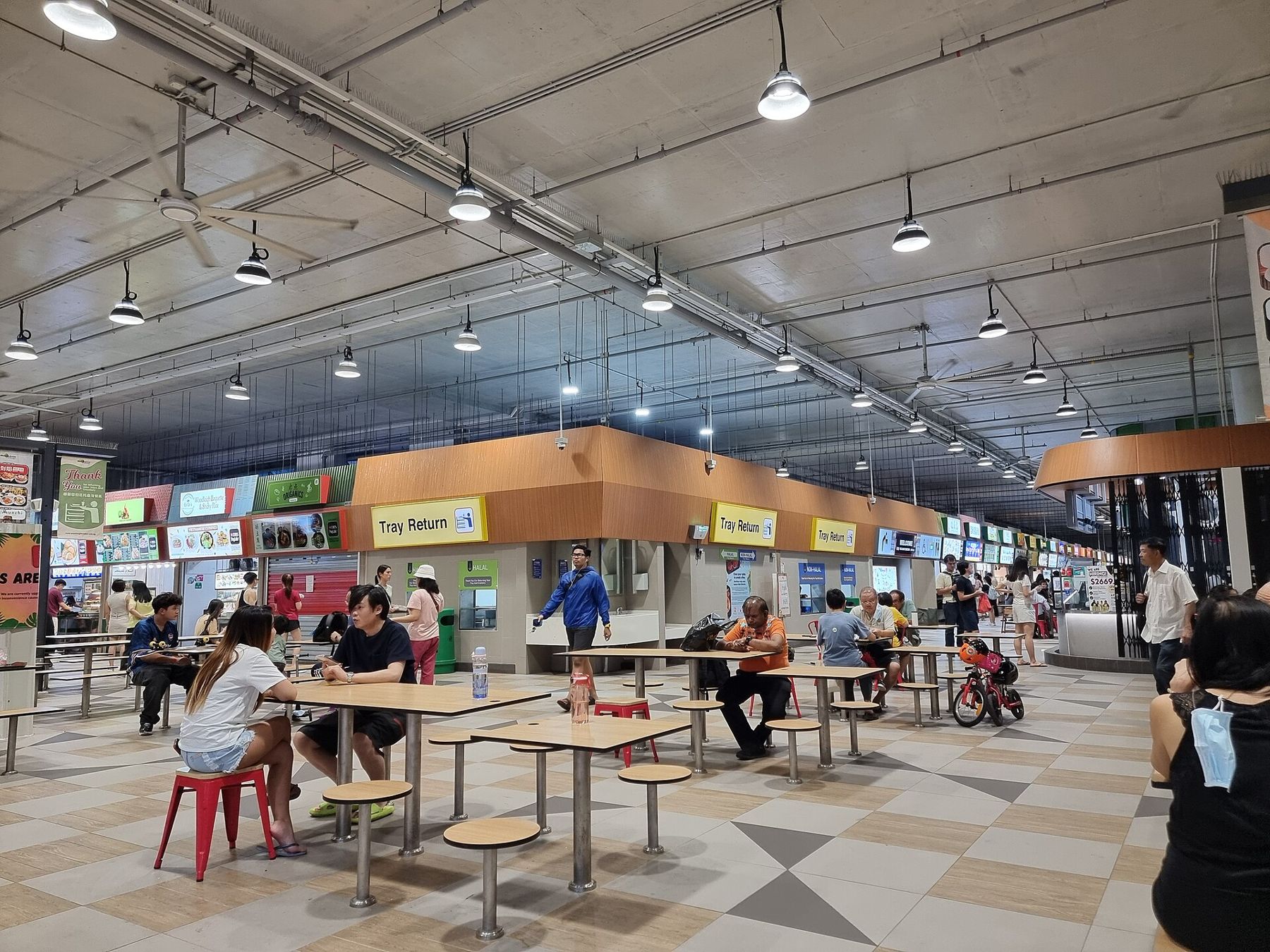
Cash or card?
Both, increasingly. Cash was once the only way to pay and is still accepted almost everywhere, so carry small notes and coins. Many stalls now take contactless cards or national QR payment codes, and newer centres were designed around them. Payment habits change from stall to stall, so look for the stickers at the counter before you reach the front of the queue. You pay when you order, not at the end of the meal.
There is no service charge and no tipping. Prices are posted on the stall's signboard, and they change over time, so check the board rather than an old review.
Do you have to clear your own tray?
Yes, and it is not just manners. Since 2021, diners at hawker centres have been required by law to return their trays and crockery and leave the table clean, with fines possible for those who repeatedly ignore it. Tray return points stand at intervals across the floor, usually split into halal and non-halal sections; use the one that matches the stall you ate from. Cleaners still work the floor, but the table is your job.
A small courtesy that matters: take your used tissues with you, and wipe up a spill of soup if you made one.
Is hawker food safe to eat?
Generally, yes. Every stall is licensed, and each displays a hygiene grade on a certificate near the counter. Food is cooked fast and hot in front of you, and the turnover is quick. The more practical risk for visitors is the chilli: a spoonful of sambal or cut chilli in soy can be fiercer than it looks, so take a little first.
Why is hawker culture on a UNESCO list?
In December 2020, "Hawker Culture in Singapore" was inscribed on UNESCO's Representative List of the Intangible Cultural Heritage of Humanity. The listing is not for any building or any single dish. It recognises the whole practice: the hawkers and their skills handed down through families, the mix of Chinese, Malay, Indian and Peranakan cooking under one roof, and the hawker centre as a place where people of every background eat together. 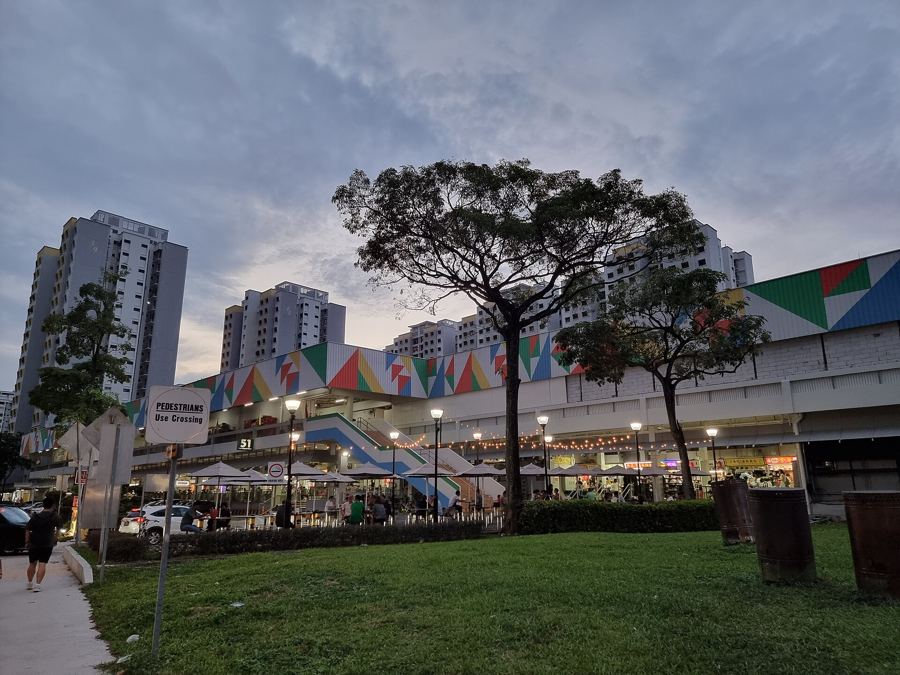 Next stall overEight hawker centres worth crossing town for
The listing also brought a worry into the open. Many hawkers are in their sixties and seventies, the hours are long and the margins thin, and not every stall has someone to take over. Newer centres, and schemes to train younger hawkers, are part of the answer. Turning up and eating there is the other part.
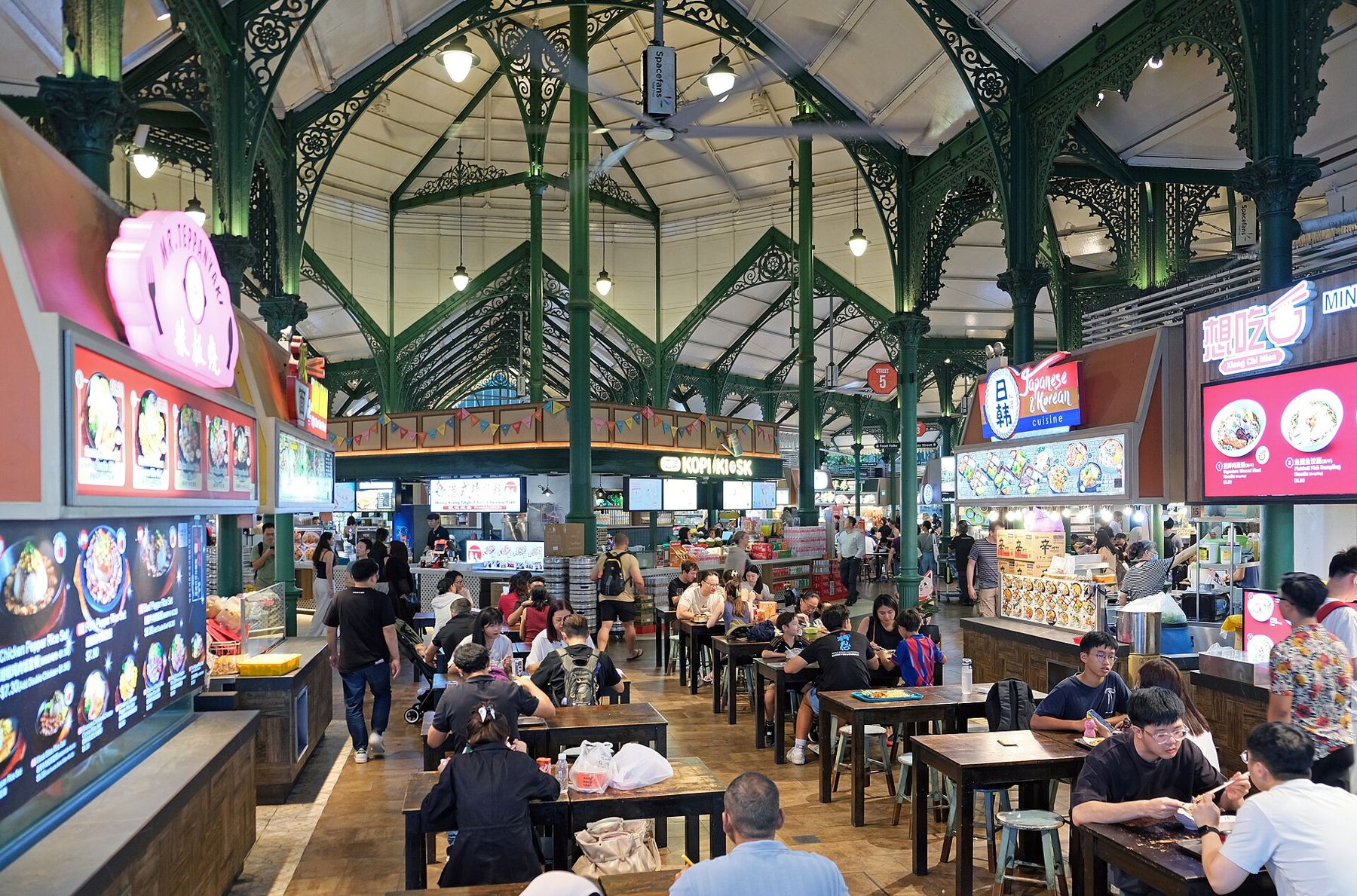
When is the best time to go?
Avoid the peak if you can. In the business district, centres fill solid from about noon to half past one on weekdays and go quiet in the evening; neighbourhood centres are busiest at breakfast, lunch and dinner on weekends. Mid-morning and mid-afternoon are the calmest hours. Some stalls open only for breakfast and lunch, and many close one day a week, which varies from stall to stall. For a start, try one of the centres worth the trip.
Go hungry, go with a friend to hold the table, and leave the tissue packet in your pocket until you have found two free stools.