The first sound in a Singapore coffee shop is metal on metal: a long-spouted kettle knocking against the rim of a cloth sock as hot water goes through the grounds. Then the clink of thick china cups on saucers, the hiss of a toaster, the call of an order across the room. It is a little after seven. The ceiling fans are already turning, the newspapers are already out, and the uncles at the corner table have been there for some time.
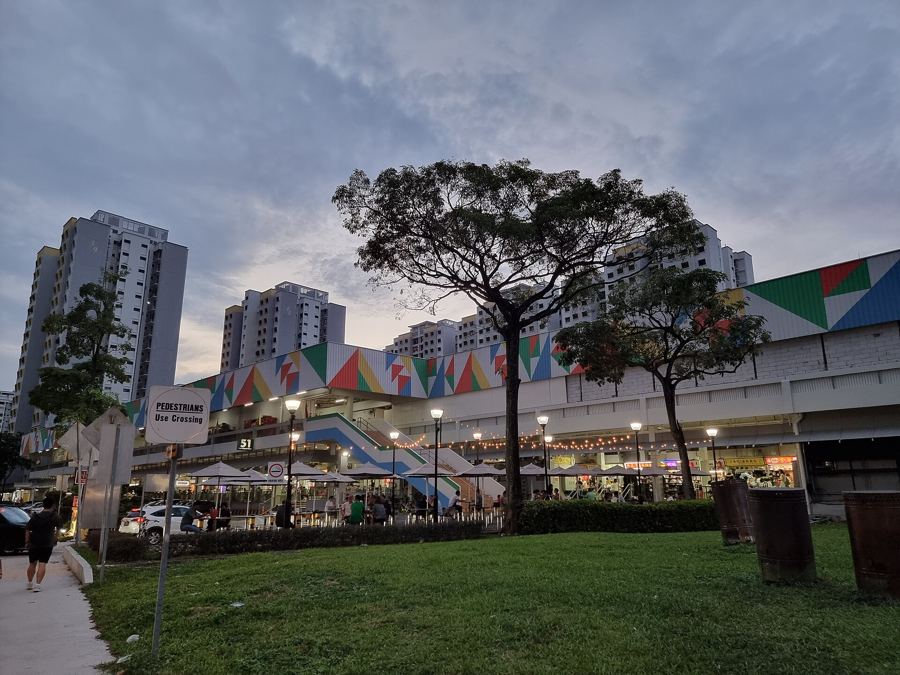
The kopitiam is the island's original café. The word joins the Malay kopi, coffee, to the Hokkien tiam, shop, and the place itself joins a good deal more. A coffee shop owner usually runs the drinks counter and rents the other stalls to hawkers, so one room might hold a noodle stall, an economical rice stall and a Malay food stall alongside the coffee. Many still sit in the corner units of shophouses or at the foot of public housing blocks, open to the street on two sides.
The coffee itself
Kopi is not espresso and is not trying to be. The beans, mostly robusta, are traditionally roasted with sugar and butter or margarine, which gives them a dark, almost caramel bitterness. The ground coffee goes into a cloth filter, the "sock", hot water goes in after it, and the brew is poured between pots and cups to cool and aerate it. Then comes the milk, which is usually condensed. The result is thick, sweet and strong, and costs very little next to a café latte.
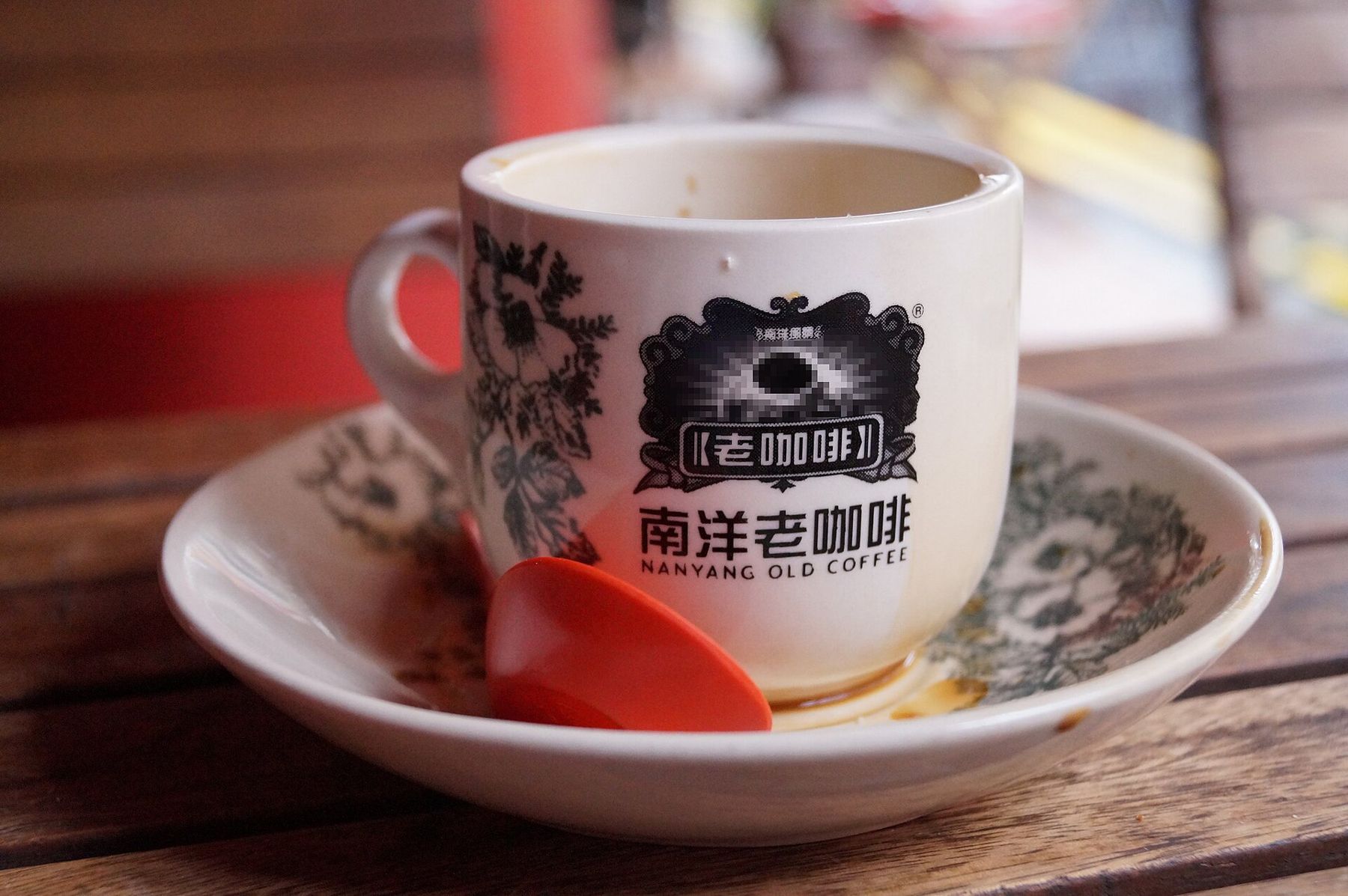
It is served in a thick, heavy cup, often white with a green floral pattern, on a matching saucer. The weight keeps the coffee hot in a room with no air-conditioning, and older drinkers still tip a little into the saucer to cool it before sipping. The urns and kettles behind the counter are worked hard all morning, and a good drinks-maker can fill a dozen orders, each slightly different, without writing anything down.
The coffee shop trade in Singapore is often linked to Hainanese migrants, who came late to the colony, when other trades were already taken, and found work as cooks in colonial households and on ships before opening coffee shops of their own. Hainanese families are also credited with much of the toast-and-eggs breakfast, which owes something to the British kitchens where many of them worked. Over time the trade spread to every community, and the vocabulary at the counter became the island's own.
Learning the language of the counter
Ordering kopi is a matter of building a word from parts. Start with the drink: kopi is coffee, teh is tea. Then the milk: plain kopi comes with condensed milk; kopi-o is black with sugar; kopi-c is with evaporated milk and sugar (the "c" is usually explained as a reference to a brand of evaporated milk, though the story varies). Then the sugar: kosong means none, siew dai means less sweet, and ga dai means more. Then the temperature: peng means iced.
So kopi-o kosong is black coffee with no sugar, teh-c peng is iced tea with evaporated milk, and kopi siew dai is coffee with condensed milk, a little less sweet. There is more if you want it: kopi gao for strong, po for weak, and "tarik" for tea or coffee pulled between two mugs until frothy. Order with confidence and the person at the counter will repeat it back to you in shorthand. Mistakes are forgiven quickly.
Ordering kopi is a matter of building a word from parts.
Takeaway drinks once came in a clear plastic bag, knotted around a straw and carried by a looped string, and you will still see them hanging from handlebars and fingers. For the wider rules of the hawker floor, from seats to trays, see how a hawker centre works.
Kaya toast and two soft eggs
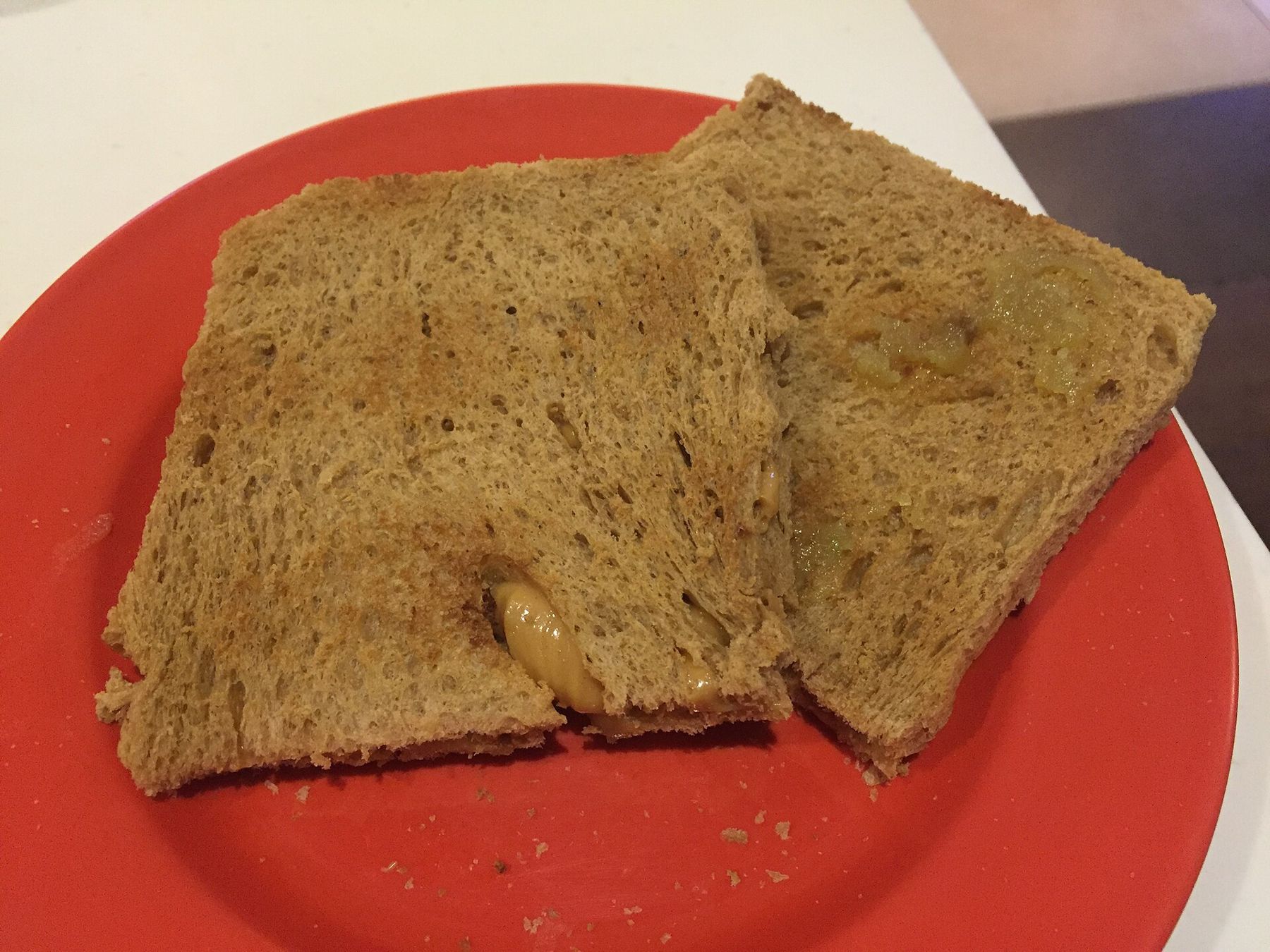
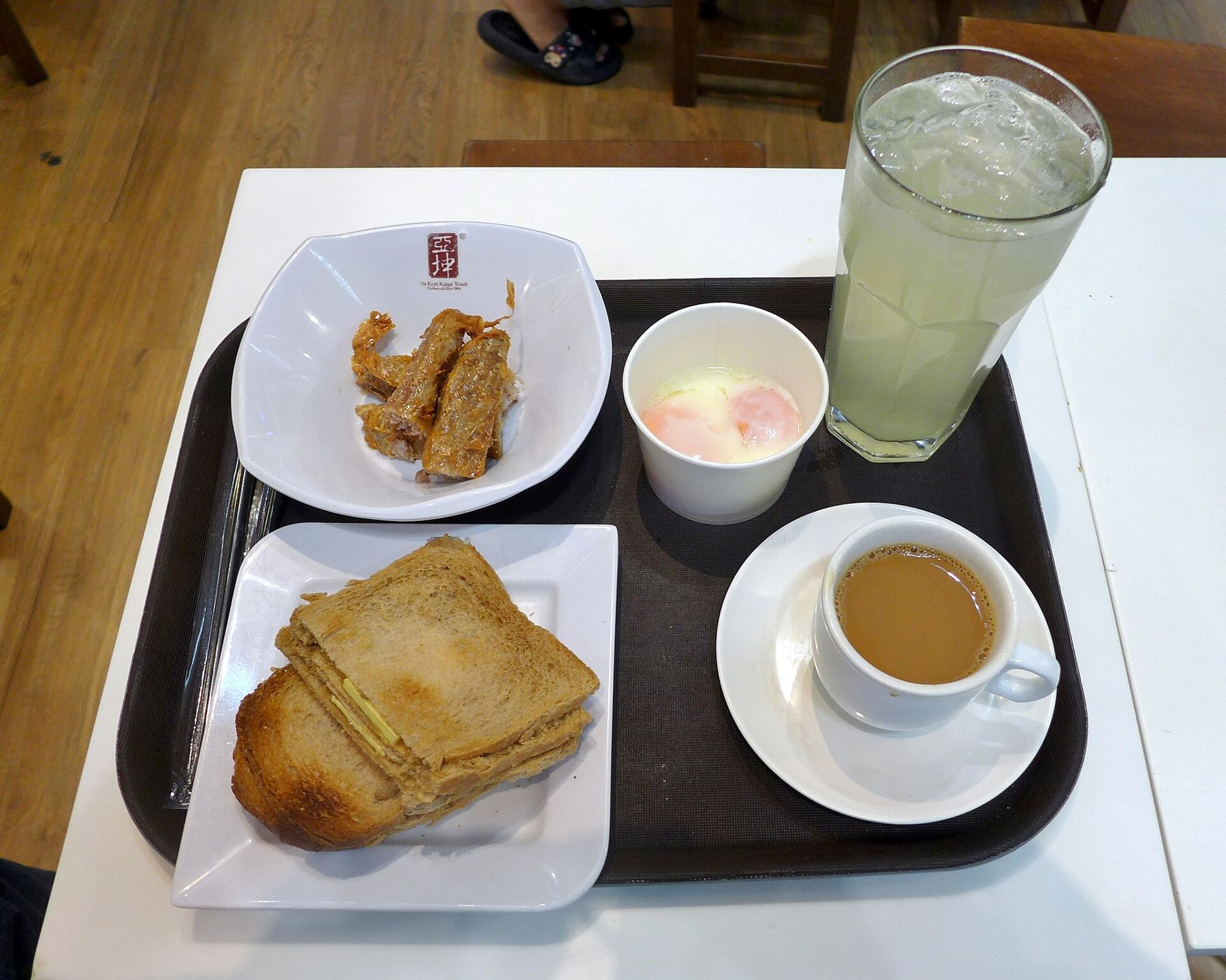
The breakfast that goes with it is a small piece of engineering. Thin slices of white bread are toasted, over charcoal at the old shops or under a grill, until crisp. One side is spread with kaya, a jam of coconut milk, eggs and sugar, often green with pandan or brown with caramelised sugar, and a cold, thick slab of butter goes in the middle. Some shops split each slice in two to make it thinner and crisper still.
Alongside come two soft-boiled eggs, cooked in hot water until the whites are barely set. They are cracked into a saucer at the table and seasoned with dark soy sauce and a shake of white pepper, stirred and then either drunk from the saucer or used as a dip for the toast. Warm toast, cold butter, sweet kaya, salty egg, bitter coffee: the combination is the point, and it is the most Singaporean breakfast there is. 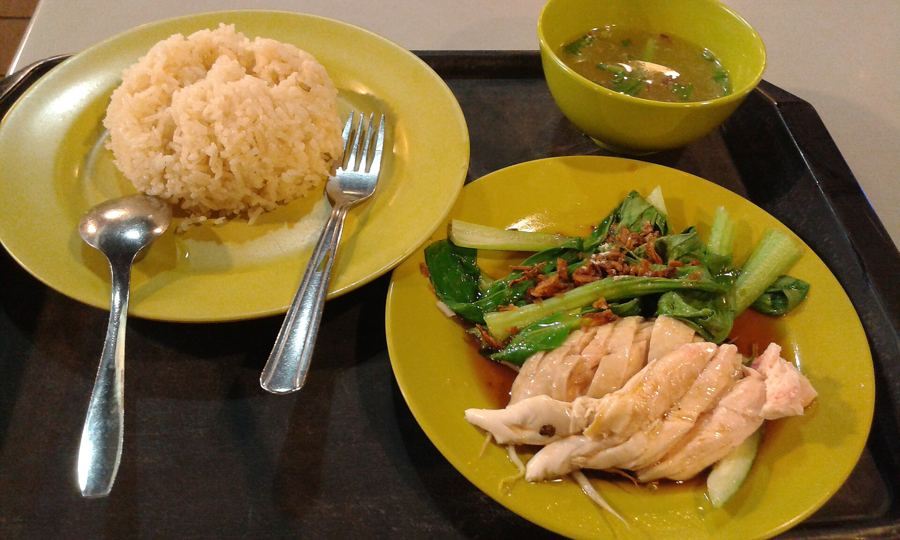 Next stall overTwelve dishes to know before you join the queue
The rest of the room
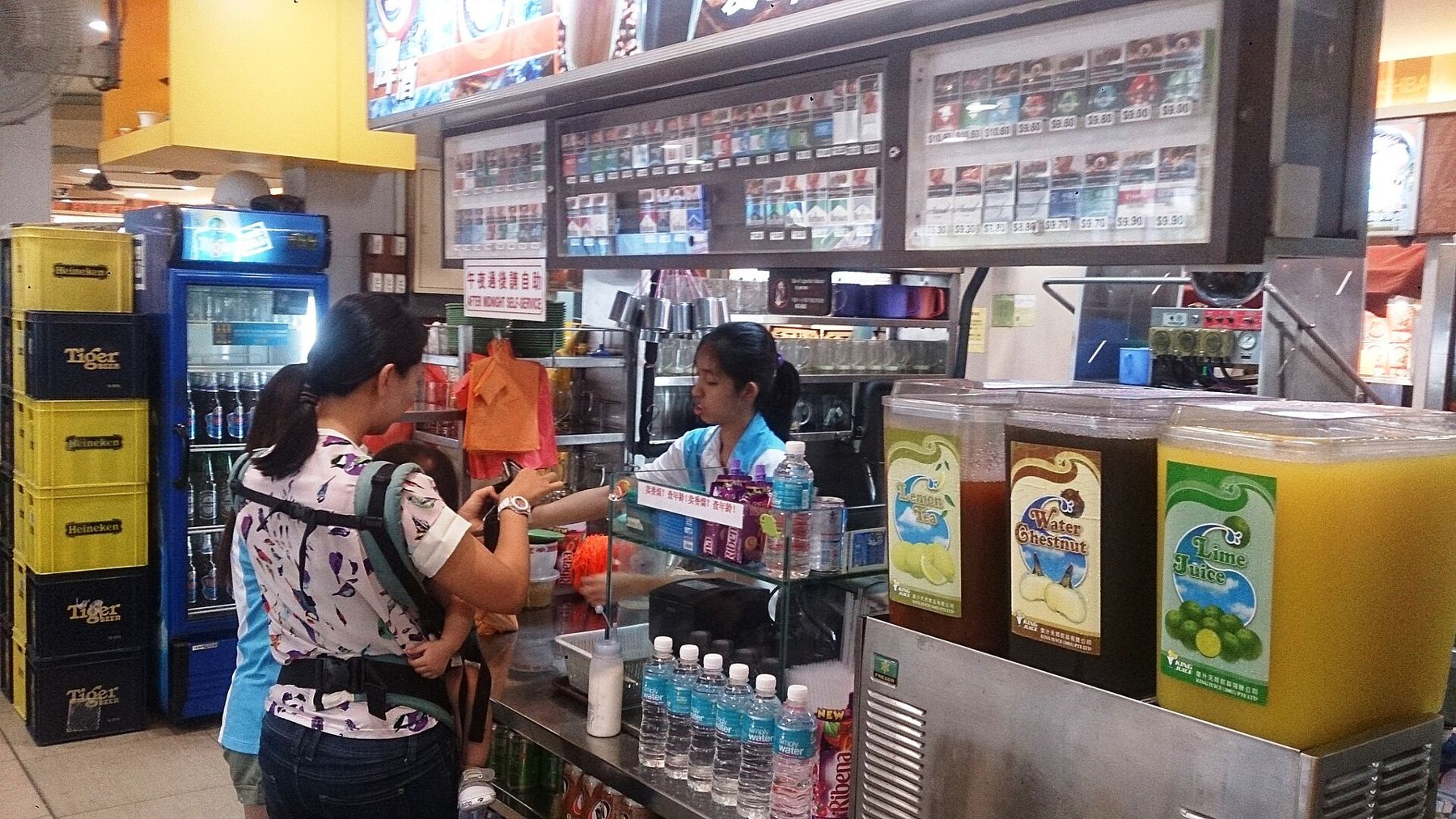
A coffee shop is not only coffee. Most mornings, the stalls behind the drinks counter are busy too: fishball noodles, carrot cake, chee cheong fun, Malay nasi lemak, Indian-Muslim prata. One of the most useful stalls is the economical rice stall, a glass case of a dozen or more cooked dishes, from braised pork and steamed egg to stir-fried greens and curry. You point, the hawker scoops, and the price is worked out by eye on the spot.
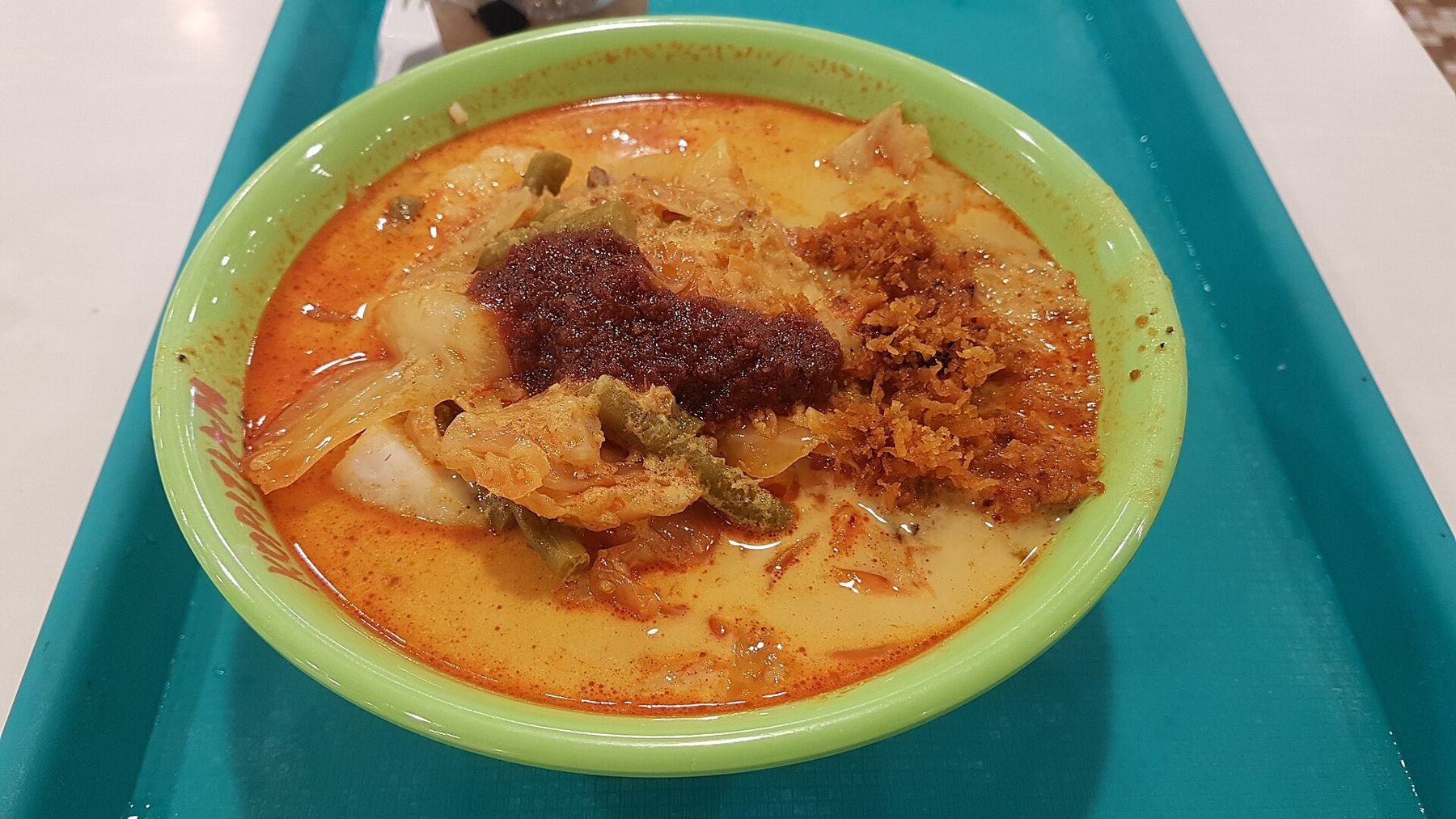
The Malay stall might offer lontong, rice cakes in a coconut gravy of vegetables, or mee rebus, yellow noodles in a thick, sweet potato-based sauce. The Indian-Muslim stall turns out prata from a flat griddle, with a mug of teh tarik pulled high between two jugs until it foams. A household breakfast can take in three kitchens at one table, and nobody thinks this unusual.
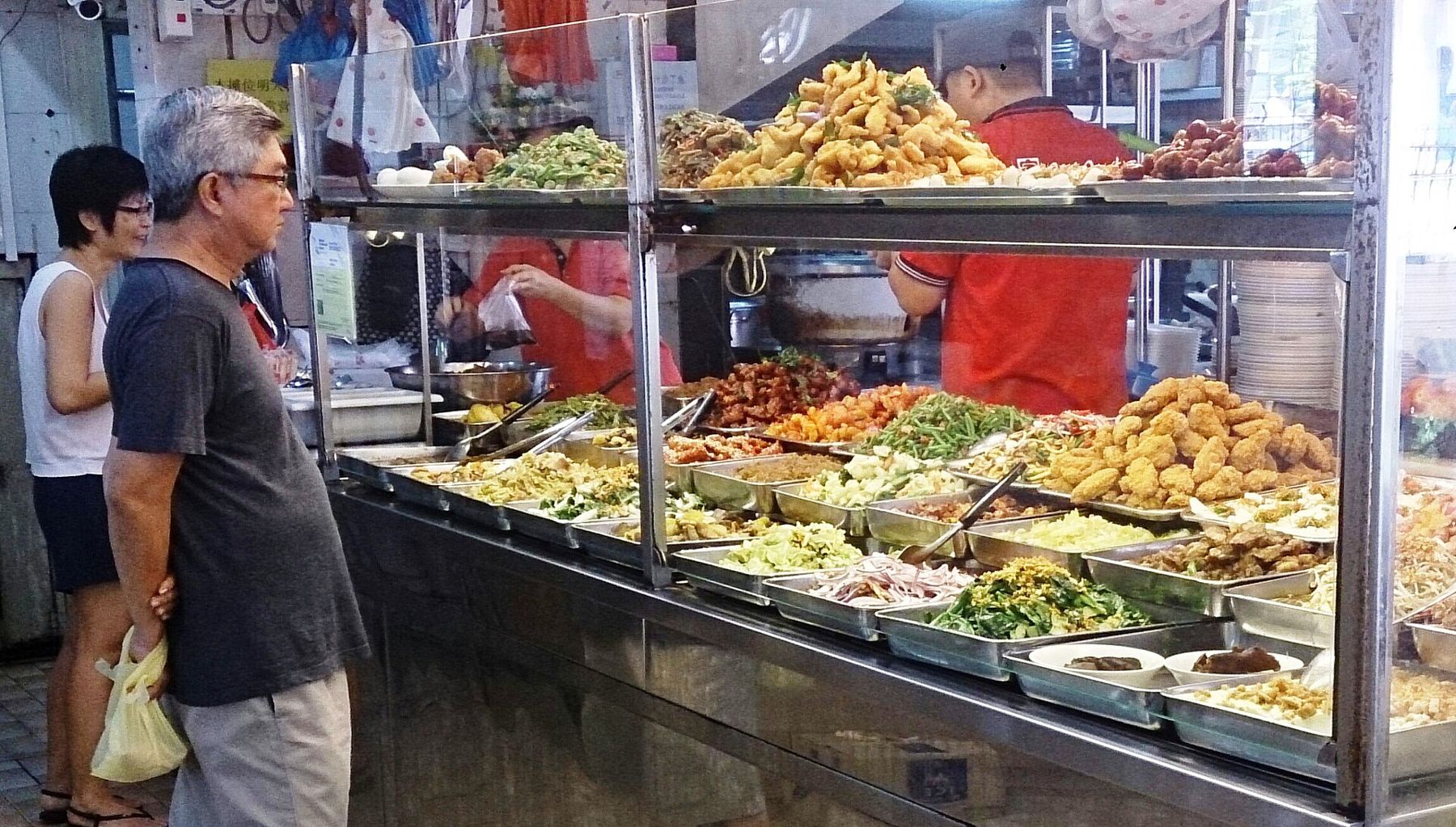
The room is also where the neighbourhood talks. Retirees read the papers in Chinese, Malay, Tamil and English, workers in boots grab a coffee before the site opens, and parents feed children before school. Many coffee shops stay open late into the evening, when the beer comes out of the fridge and the tables fill with groups watching football, but the morning is when they are most themselves.
Old shops and new
The old shophouse coffee shops, with marble-topped tables, wooden chairs and mosaic floors, are fewer than they were, though some survive in Chinatown, Tiong Bahru, Joo Chiat and along the older streets of the east. Most coffee shops today sit under public housing blocks, run by operators with several outlets and plastic chairs instead of wood. There are also chain shops that serve kaya toast in malls and at the airport, and a newer generation of cafés reviving the old cups and floral saucers. The details differ; the order, more or less, stays the same.
What has changed most is the rhythm. Coffee shops once kept the hours of the street, opening before dawn for workers and hawkers on their way to market. Many still do, but the old owners are ageing, rents are high, and the shops that survive tend to be the ones that have adapted, adding air-conditioning in one corner or a card reader at the counter, without losing the cloth sock and the floral cups.
A good way to find a traditional shop is to walk the older estates early in the morning and look for the one with the most uncles. Around Tiong Bahru and in the shophouse rows of Joo Chiat and Katong, a morning walk usually turns up several. Look for charcoal at the toaster and a cloth sock at the urn.
How to have the morning
Come early, between seven and nine, when the toast is coming off in batches and the tables are turning over. Take a seat, and either order at the drinks counter or wait for someone to come to you; in many older shops, the drinks are brought to the table and you pay when they arrive. Order a kaya toast set if the shop offers one. Crack the eggs yourself, add the soy and pepper, stir. Drink the kopi while it is too hot.
Then sit a while. Nobody will hurry you, unless the lunch crowd is coming, and the room will carry on around you: the knock of the kettle on the sock, the call of another order, the fan turning above a table of empty cups.