Every Singaporean has a home hawker centre, the one at the foot of the block or beside the MRT station, and an opinion about which centre across town is worth the journey. This list is about the centres rather than the stalls. Stalls open, close, retire and move, and their awards change from year to year; the buildings, and the kind of crowd each draws, change much more slowly. If you are new to the routine of seats, queues and trays, start with how a hawker centre works.
Maxwell Food Centre
Maxwell sits on the edge of Chinatown, at the corner of Maxwell Road and South Bridge Road, across from the Buddha Tooth Relic Temple. It is a single, open-sided hall, easy to walk into from the street, with long aisles of stalls and ceiling fans turning overhead. Its fame rests on Hainanese chicken rice, and the queues at lunchtime make that plain, but the range is wide: porridge, fish soup, rojak, fried snacks and desserts. Because it is so central, and because the office crowd from Tanjong Pagar arrives at noon, it pays to come early or late. It is an easy first centre, and its walls are lined with the history of the stalls.
Lau Pa Sat
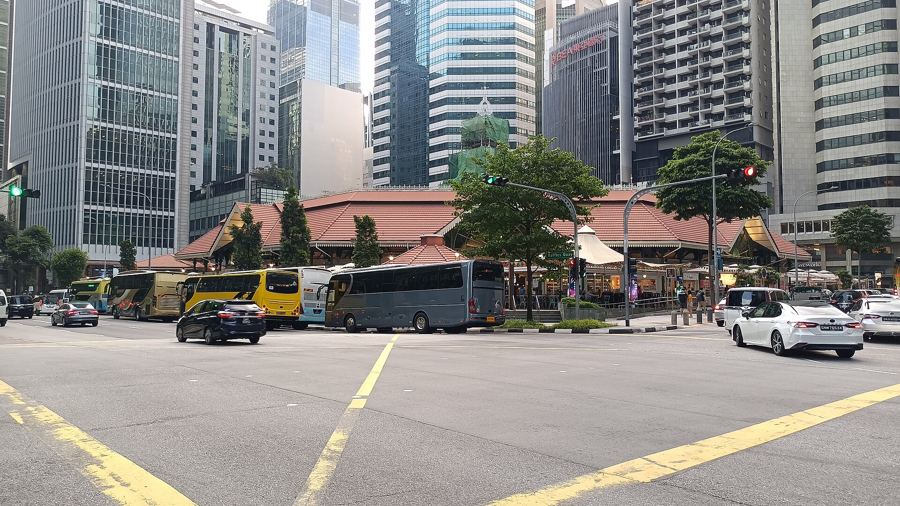
Lau Pa Sat means "old market" in Hokkien, and it is the grandest building on the list: an octagonal cast-iron market hall from 1894, with a clock tower and fretwork columns, now surrounded by the towers of the financial district. It was long known as Telok Ayer Market and is a national monument. By day it feeds office workers; in the evening, the adjoining stretch of Boon Tat Street closes to traffic and fills with satay grills and smoke. Prices here lean higher than at a neighbourhood centre, and the food is more mixed, but the building alone earns the visit.
Tiong Bahru Market
Above a busy wet market in Tiong Bahru, the food centre upstairs is a favourite of the estate's residents and of breakfast-seekers from all over the island. The building was rebuilt in the 2000s, keeping the curved lines that echo the estate's pre-war flats. Mornings are the time to come: chwee kueh (steamed rice cakes with preserved radish), porridge, roast meats and coffee, then a walk through the art deco blocks outside. Go downstairs first to see the wet market at its busiest, when fishmongers and vegetable sellers are in full voice.
Old Airport Road Food Centre
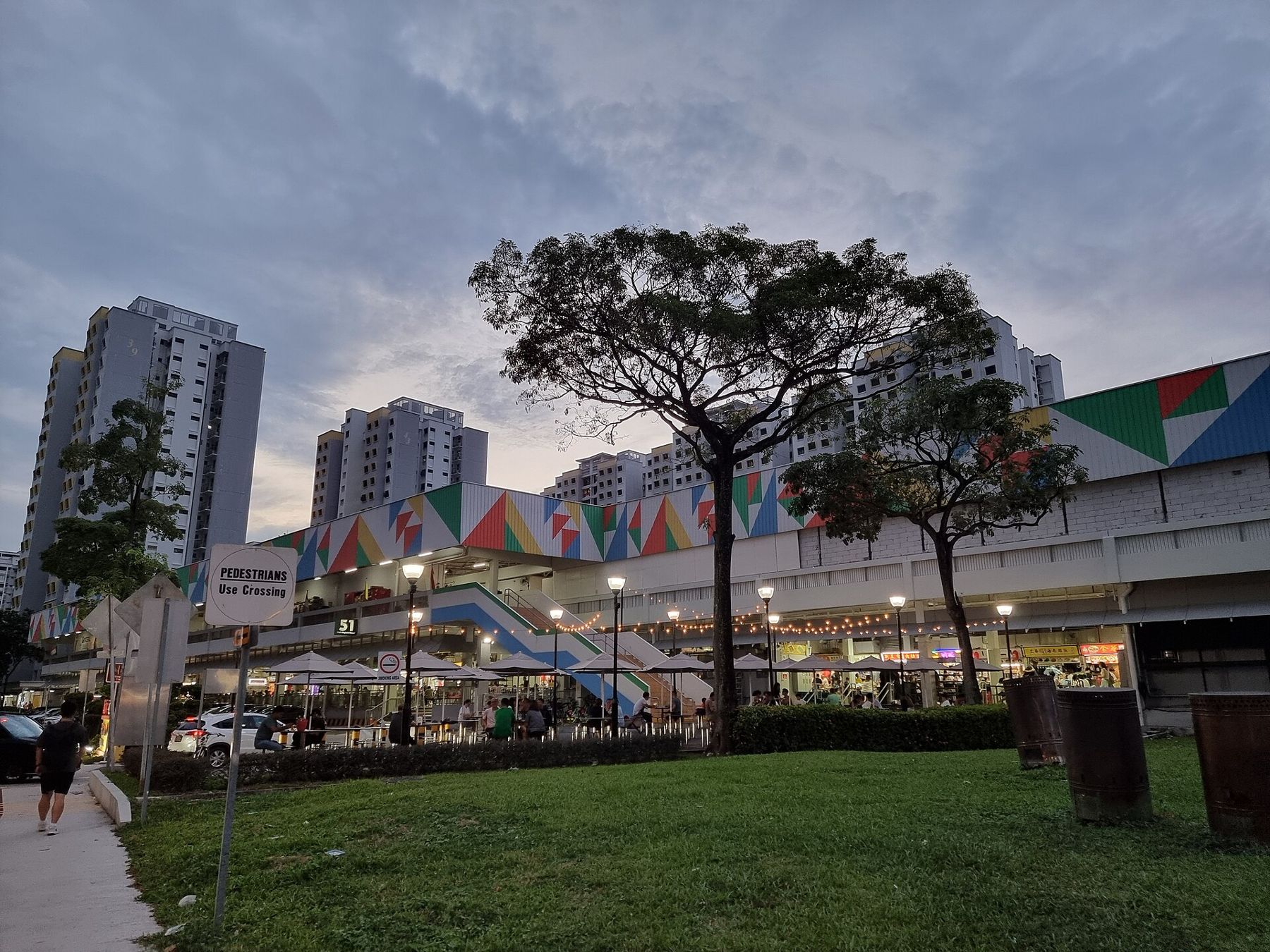
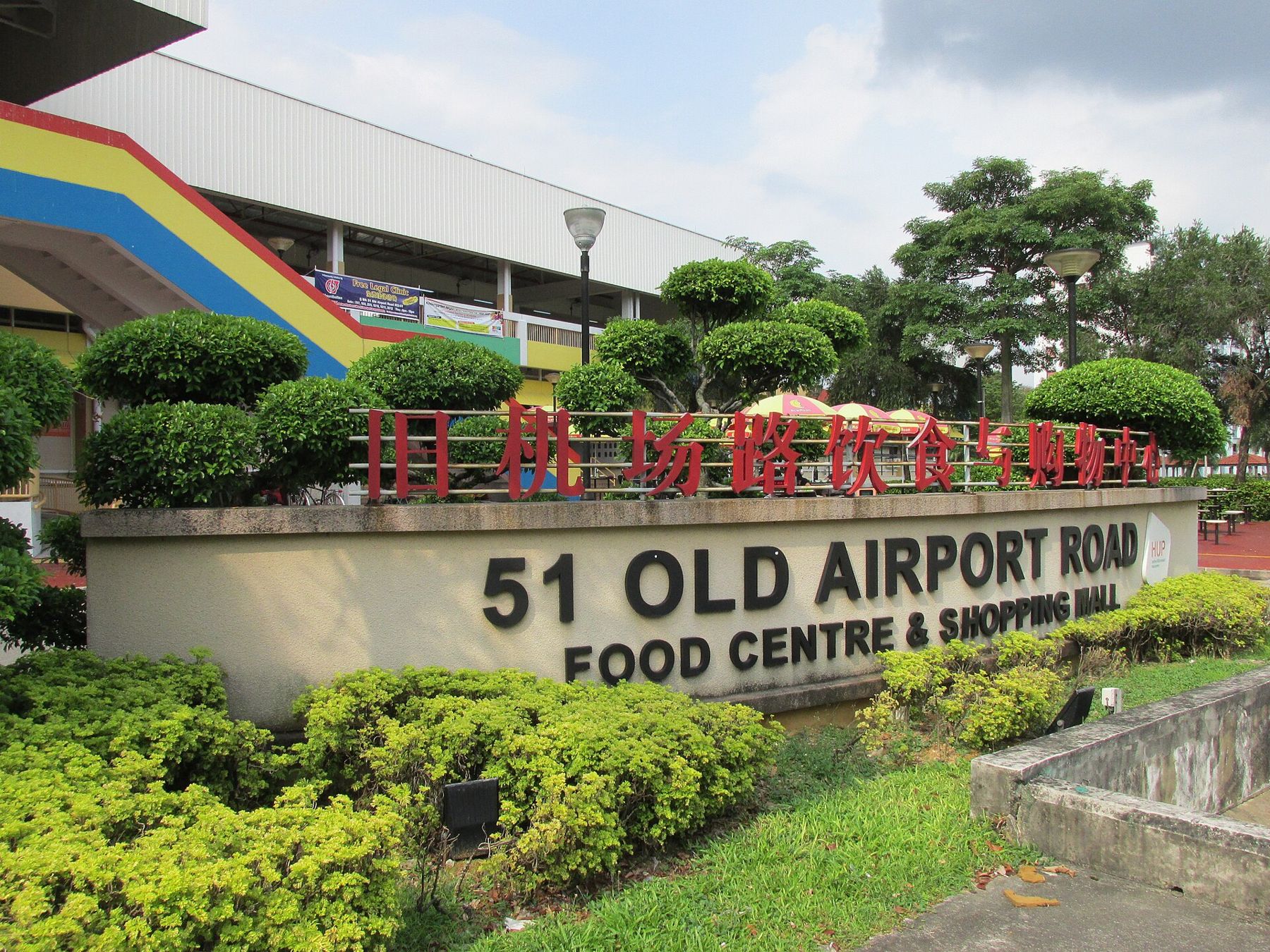
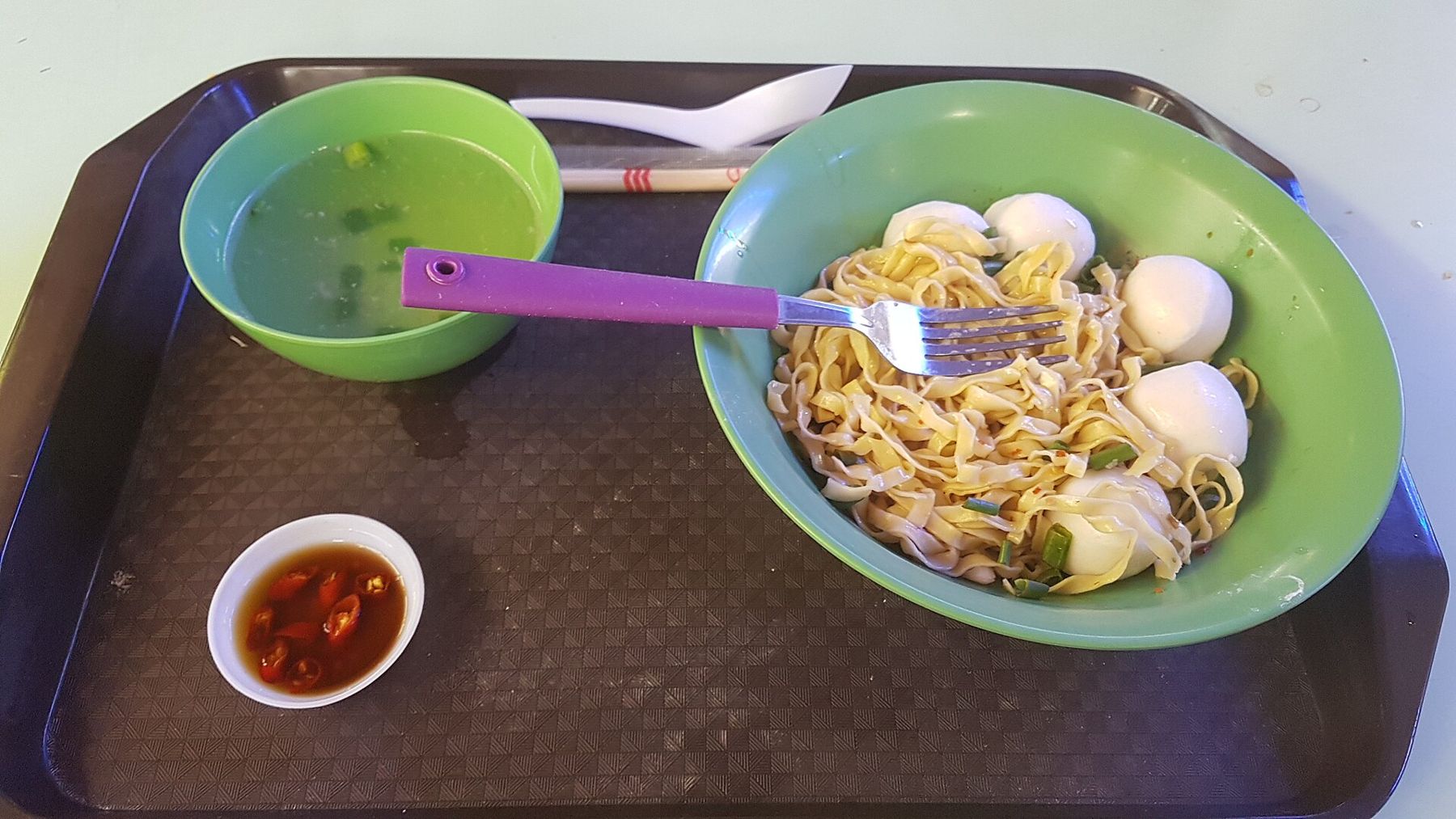
The road is named for the old Kallang Airport, which once stood at its end, and the food centre is one of the largest and best-loved on the island. It sits at the foot of public housing blocks in the east, and the crowd is almost entirely local. The long hall holds more than a hundred stalls, many with devoted followings, and the range takes in noodles, roast meats, satay, rojak, desserts and Japanese plates. Come with a group and order from several stalls at once. It is a short ride from Dakota or Mountbatten MRT stations.
Chinatown Complex
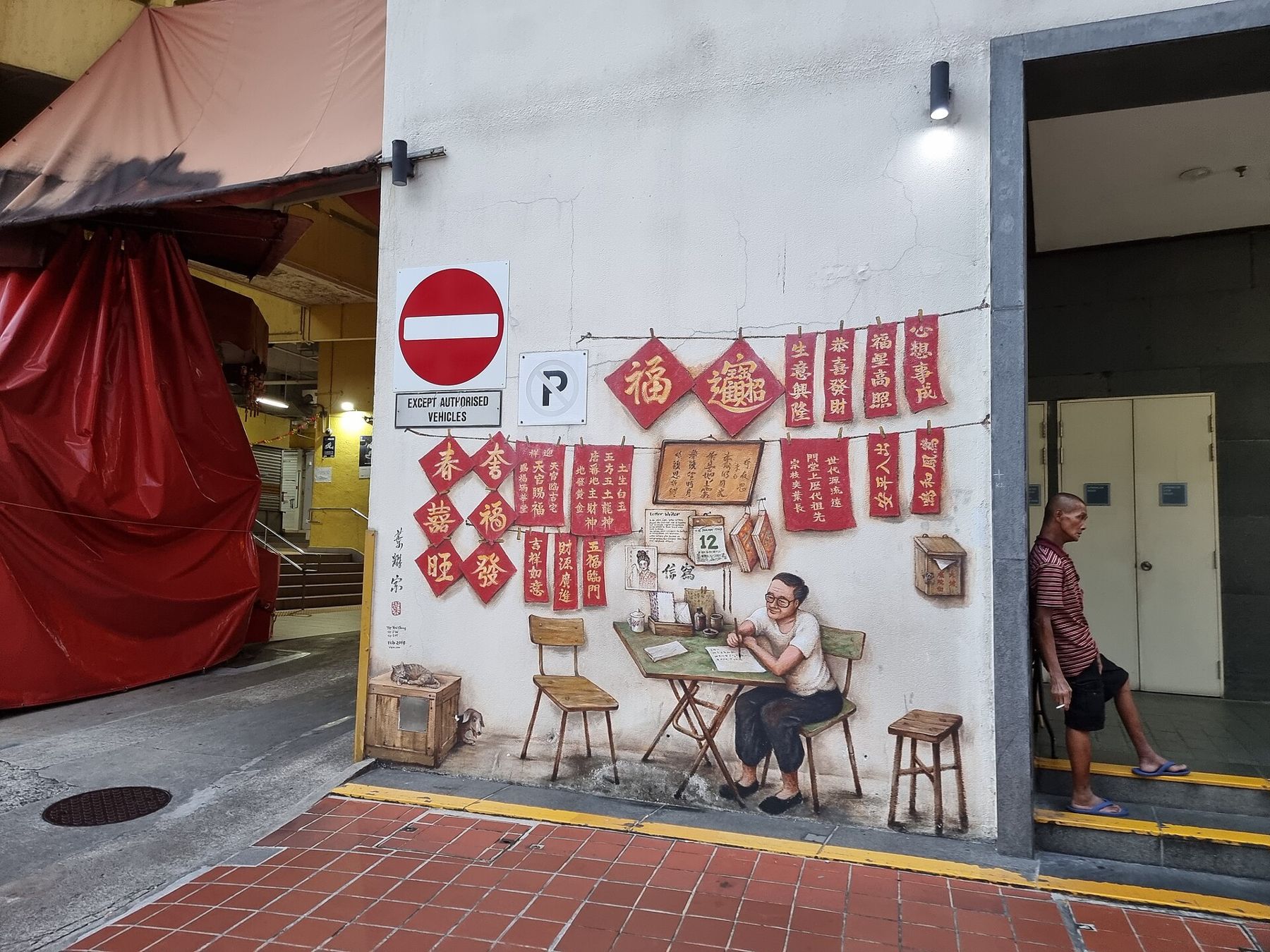
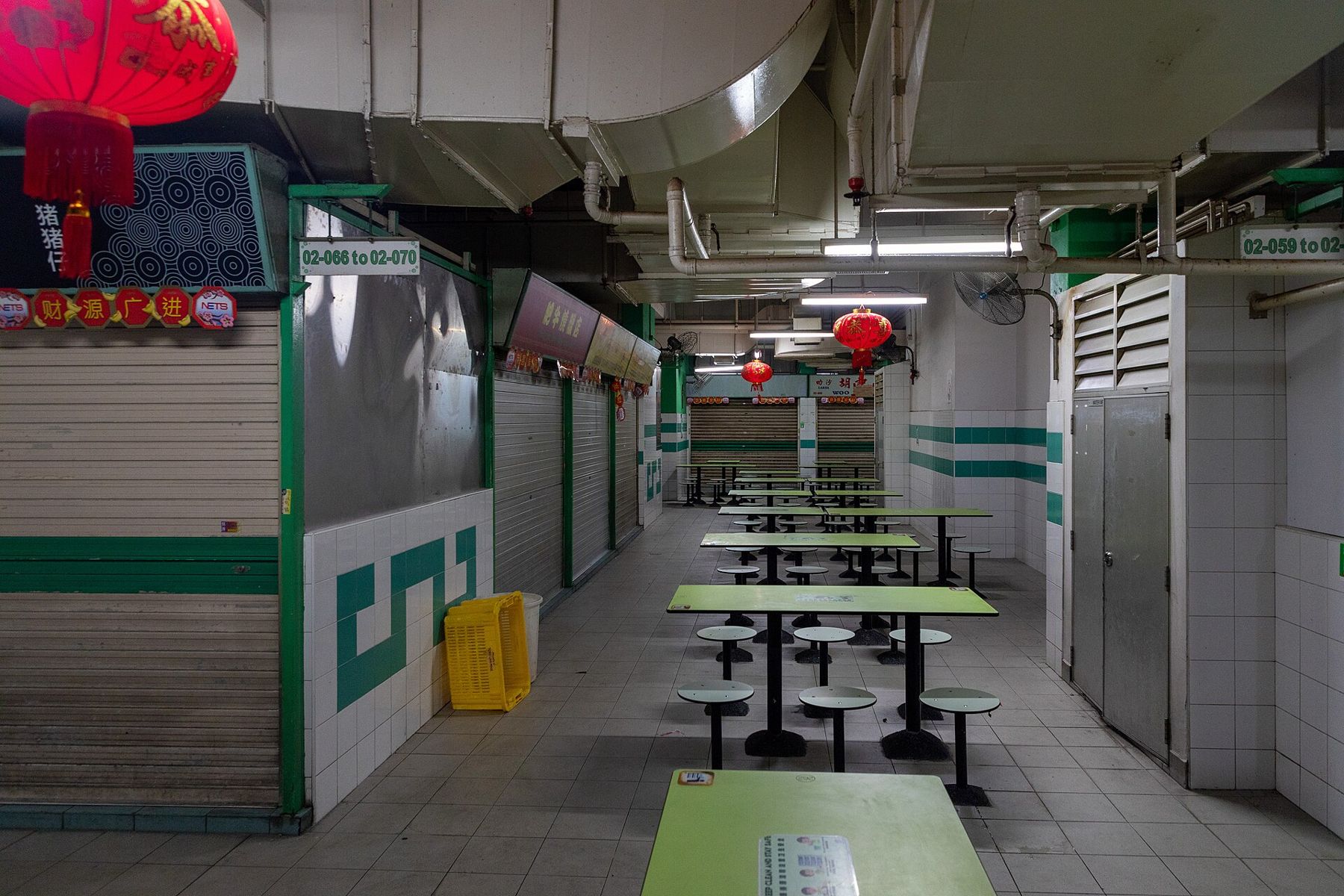
Chinatown Complex is a big concrete block on Smith Street with a wet market in the basement and one of the largest hawker centres in Singapore on the second floor, with well over two hundred stalls. It is dim, busy and not pretty, and that is part of its appeal: this is where Chinatown's residents eat, and the range is enormous, from claypot rice and roast duck to Hakka yong tau foo and fresh juices. Evenings bring a beer-drinking crowd. Walk the aisles before you choose; the numbering of stall units will help you find your way back.
Tekka Centre
At the southern end of Serangoon Road in Little India, Tekka Centre has a wet market of fish, meat and spices on one side, a hawker centre on the other, and shops selling saris and textiles upstairs. The food is strongest on the Indian and Malay side: biryani, thosai, appam, mutton soup, and teh tarik pulled at the counter. Weekends are crowded with families and with migrant workers on their day off. It pairs well with a walk through the shophouse streets of Little India, and an early start catches the market at its liveliest.  Next stall overTwelve dishes to know before you join the queue
Newton Food Centre
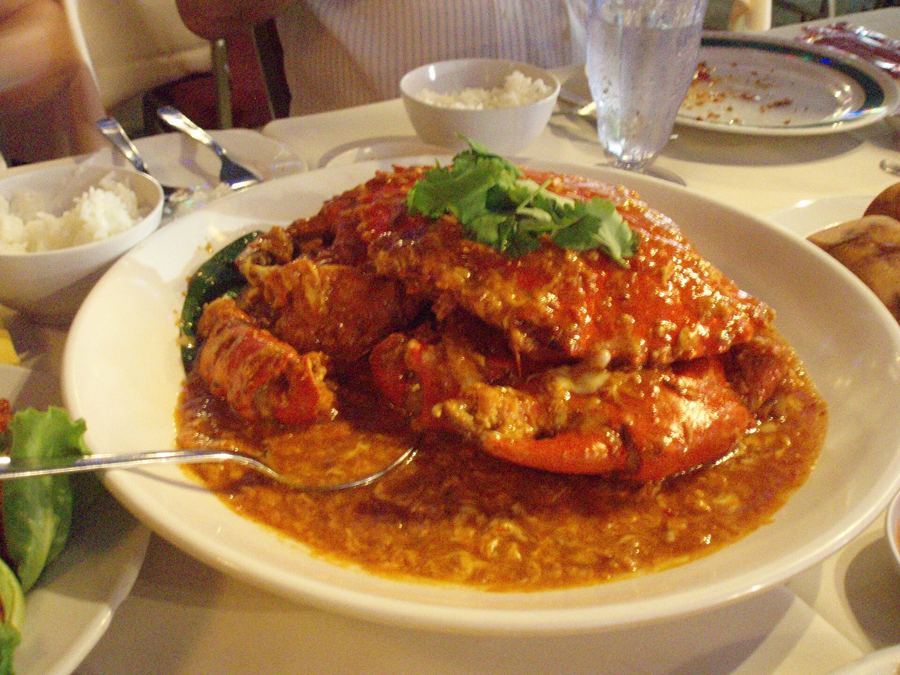
Newton, a short walk from Newton MRT station at the top of Scotts Road, is an open-air centre best known for evening seafood: barbecued stingray, chilli crab, grilled prawns and satay, eaten under the trees on warm nights. Its fame grew further after it appeared in the 2018 film Crazy Rich Asians. It has long had a reputation for touts and for seafood priced by weight that surprises diners at the end of the meal, so confirm the price and quantity before you order. Treated carefully, it is an easy, lively night out.
Amoy Street Food Centre
Amoy Street Food Centre sits between Amoy Street and Telok Ayer Street, in the old shophouse quarter that is now part of the business district. Its two floors serve the office crowd, and at lunch on a weekday the lines are long and quick, full of people in lanyards who know exactly what they want. That crowd keeps the standards high and attracts younger hawkers trying new ideas alongside long-established stalls. Many stalls close early in the afternoon and at weekends, so come on a weekday, before or after the noon rush.
How to choose
For a first visit near the centre, pair Maxwell with a walk through Chinatown, or come to Lau Pa Sat after dark for satay. For breakfast, Tiong Bahru. For the biggest spread and the most local crowd, Old Airport Road or Chinatown Complex. For Indian and Malay food, Tekka. For seafood on a warm night, Newton, with care over prices. For a weekday lunch among office workers, Amoy Street. Whichever you choose, check before you go: centres close for cleaning a few days at a time, and individual stalls keep their own days off.