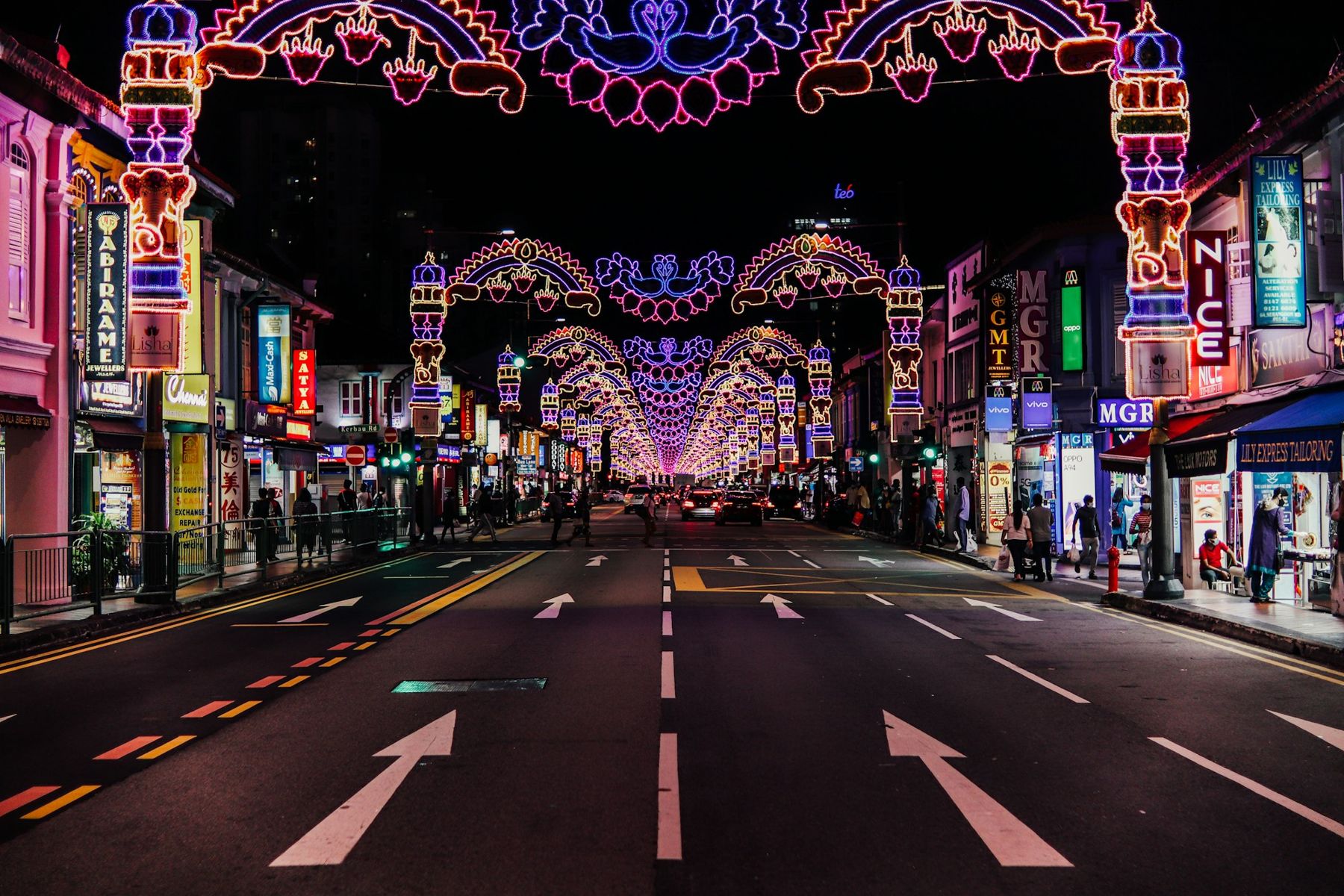
For a few weeks each autumn, Serangoon Road is roofed with light. Arches of peacocks and oil lamps hang over the traffic, the shops along the five-foot ways spill out with sweets and saris, and the whole of Little India smells of jasmine and frying. A few months later the same thing happens in Chinatown in red and gold, and at Hari Raya, Geylang Serai glows green.
Singapore's public holidays include the main festivals of its Chinese, Malay and Indian communities, and of its Buddhist, Muslim, Hindu and Christian faiths. Most follow lunar or religious calendars, so their dates shift from year to year; check the current year's calendar before you plan. Here is the year, roughly in order.
Chinese New Year
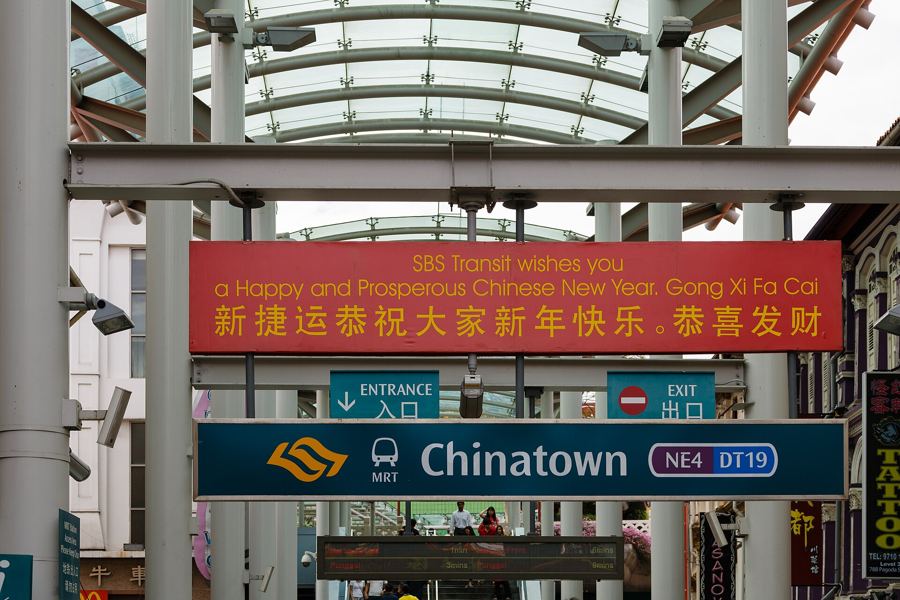
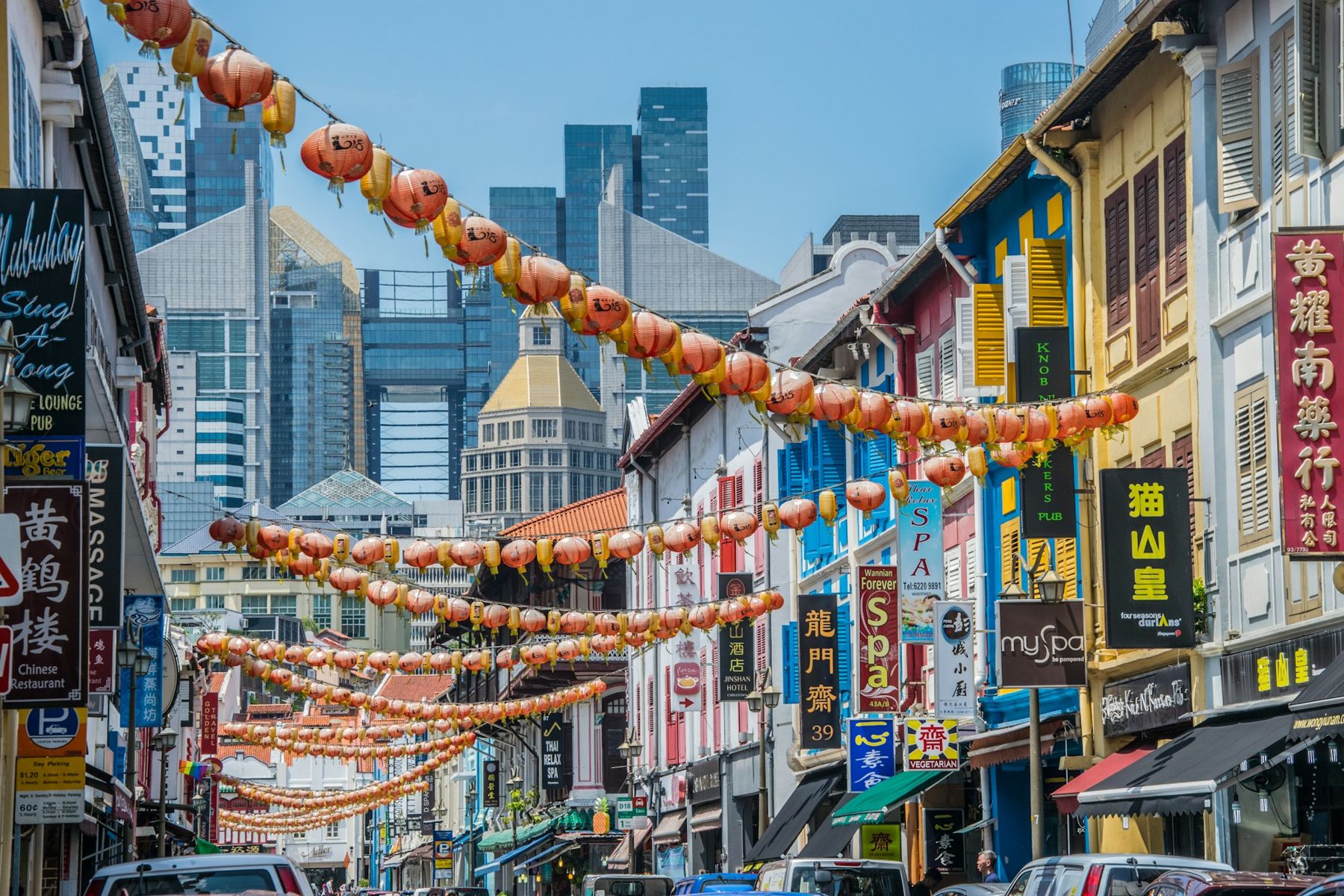
The biggest festival on the island falls in late January or February, on the first day of the lunar year, and two days are public holidays. In the weeks before, Chinatown is hung with lanterns and the year's zodiac animal, and the street bazaars around Pagoda, Temple and Smith streets sell pussy willow, mandarin oranges, waxed duck and new-year cakes.
The eve is for family reunion dinners, and the holidays themselves for visiting relatives, giving red packets of money to children and the unmarried, and tossing yusheng, a raw-fish salad thrown high with chopsticks for luck. Many shops and some hawker stalls close for several days, so plan meals accordingly.
Chingay
Around the same weeks comes Chingay, a large street parade that began in the 1970s as part of the new-year season. Floats, dragon and lion dancers, stilt walkers and community troupes from every background take part, and the parade has become one of the most multicultural evenings of the year. The venue and format have changed over time, so check where it is being held. Tickets are usually needed for seats; the atmosphere spills well beyond the stands, and the costumes alone are worth a look.
Thaipusam
In the Tamil month of Thai, usually January or February, Hindu devotees of Lord Murugan fulfil vows with a procession of several kilometres from the Sri Srinivasa Perumal Temple on Serangoon Road to the Sri Thendayuthapani Temple on Tank Road. Some carry kavadis, frames of steel and peacock feathers resting on the shoulders; others carry pots of milk on their heads. Family and friends walk alongside, chanting and keeping the devotees going.
The procession starts before dawn and continues through the day. Visitors may watch respectfully from the roadside. It is a religious observance, not a show, and quiet attention is the right response.
Hari Raya Puasa
Hari Raya Puasa, also called Hari Raya Aidilfitri, marks the end of Ramadan, the Muslim month of fasting. Because it follows the Islamic lunar calendar, it comes about eleven days earlier each year. During Ramadan, the evenings in Geylang Serai and around Kampong Glam fill with bazaars selling dates, kuih and drinks for the breaking of the fast at sunset.
Geylang Serai is lit up for the season, and on the day itself families dress in matching traditional clothes, visit relatives, ask forgiveness of one another and keep open house with ketupat, rendang and lemang. Hari Raya Haji, the festival of sacrifice, is a separate public holiday about two months later.
Vesak Day
Vesak, in May or early June, commemorates the birth, enlightenment and passing of the Buddha. Temples across the island fill from early morning with devotees bringing flowers, candles and incense. At the Buddha Tooth Relic Temple in Chinatown and at the large monasteries, there are chanting sessions, candlelit processions and offerings, and many temples run charity drives and give out vegetarian meals.
It is a quiet, reflective holiday, more about practice than spectacle. Visitors are welcome to observe, dressed modestly, with shoes off where asked.
 Next stall overHeat, rain and the seasons: how Singapore's weather really works
Hungry Ghost Festival
In the seventh month of the lunar calendar, usually August or September, many Chinese Singaporeans believe the gates of the underworld open and the spirits wander. Offerings of food, joss paper and incense appear at the foot of housing blocks and by the roadside, often burned in metal bins provided for the purpose.
In the evenings, tents go up in the estates for getai, lively stage shows of song and comedy, where the front row of seats is left empty for the spirits. It is polite not to sit there, and not to step on or disturb roadside offerings. The festival is one of the most visible in the heartland and one of the least known to visitors.
National Day
Singapore became independent on 9 August 1965, and National Day is the one fixed date in this list. In the weeks before, flags hang from the windows of housing blocks and the national colours appear on buildings, buses and shopfronts.
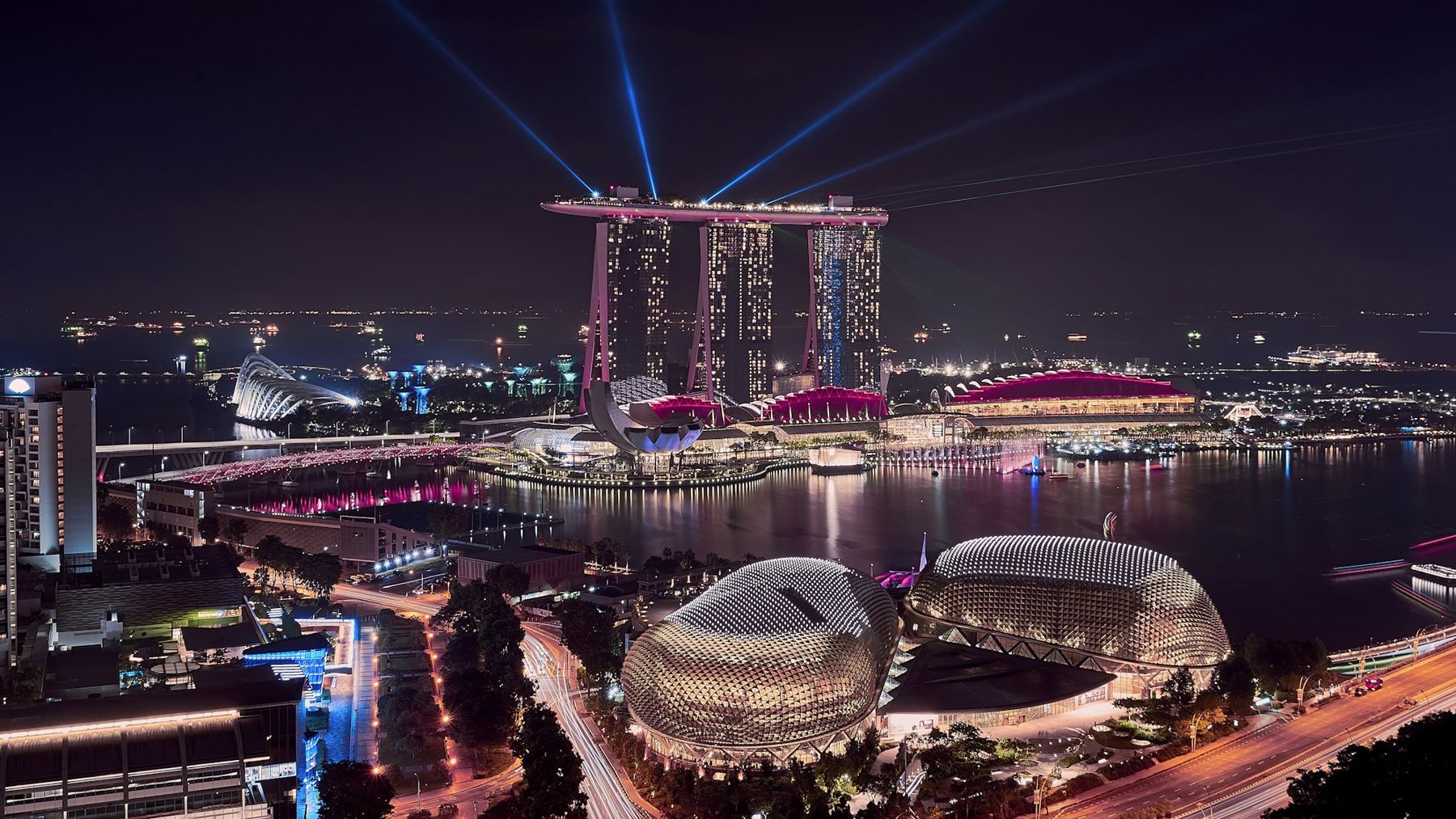
The National Day Parade, held at the Padang, the Marina Bay floating platform or the National Stadium in different years, has a mobile column, an aerial display, parachutists and fireworks over the water. Tickets are allocated by ballot, but the full-dress rehearsals on the weekends beforehand also bring fireworks, and the bay's edges fill with people watching for free.
Mid-Autumn Festival
On the fifteenth day of the eighth lunar month, usually September or early October, the moon is at its fullest and brightest. In the weeks before, bakeries and hotels sell mooncakes, from traditional lotus-seed paste with salted egg yolk to snow-skin versions in every flavour.
Chinatown hangs its streets with lanterns, and Gardens by the Bay and other parks put up large lantern displays. On the night itself children carry paper or plastic lanterns through the housing estates, and families gather outside with tea and mooncakes to look at the moon.
Deepavali
Deepavali, the Hindu festival of lights, falls in October or November and is a public holiday. For weeks before it, Serangoon Road is decorated with arches of light, and a festival bazaar fills the lanes around Campbell Lane with clothes, brass lamps, sweets, flowers and decorations for the home.
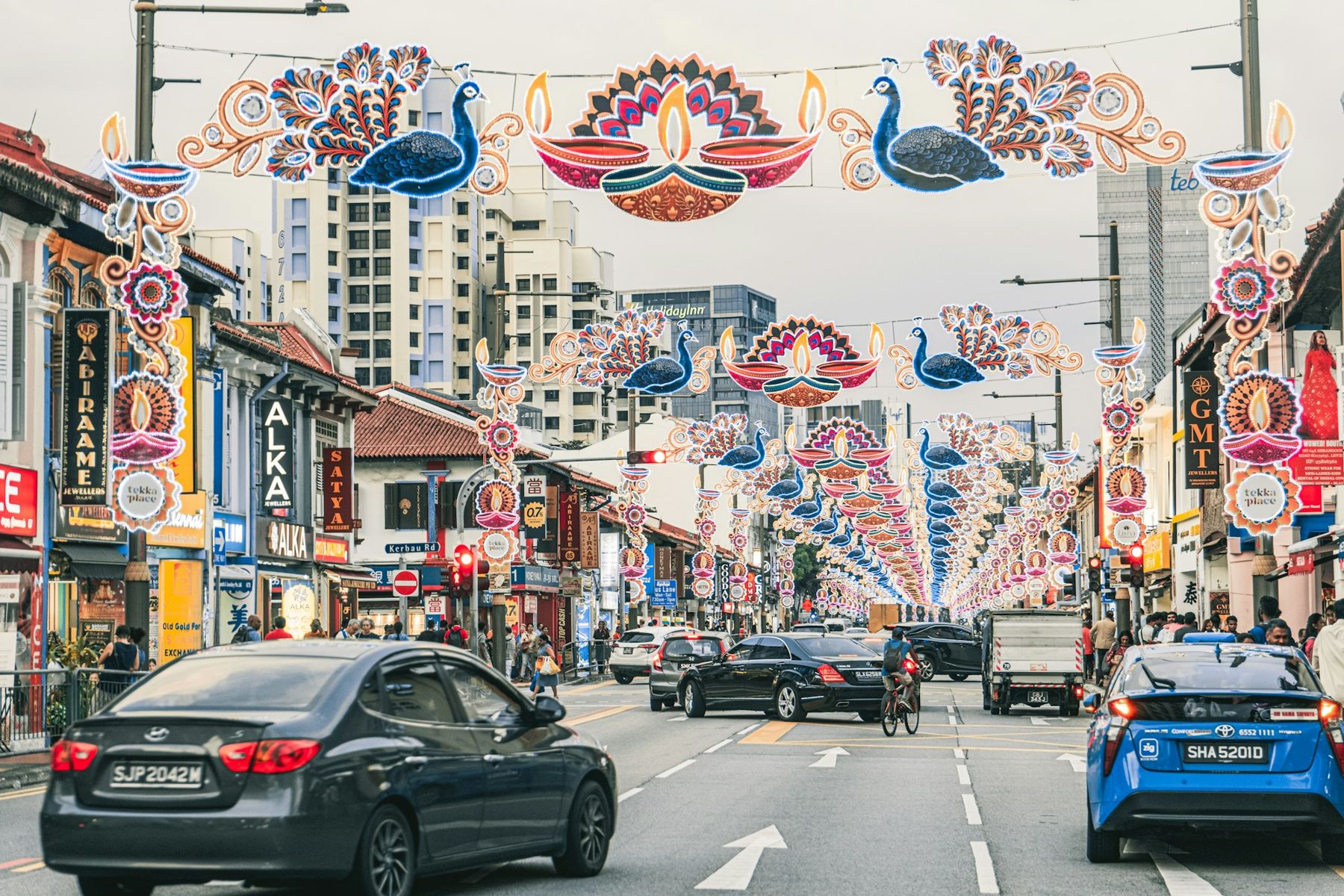
On the day, Hindu families light oil lamps, draw kolam patterns at the door, visit temples and share sweets with neighbours and friends of every faith. Walk through Little India in the evening in the days before, when the lights are on and the bazaar is busiest.
Christmas on Orchard Road
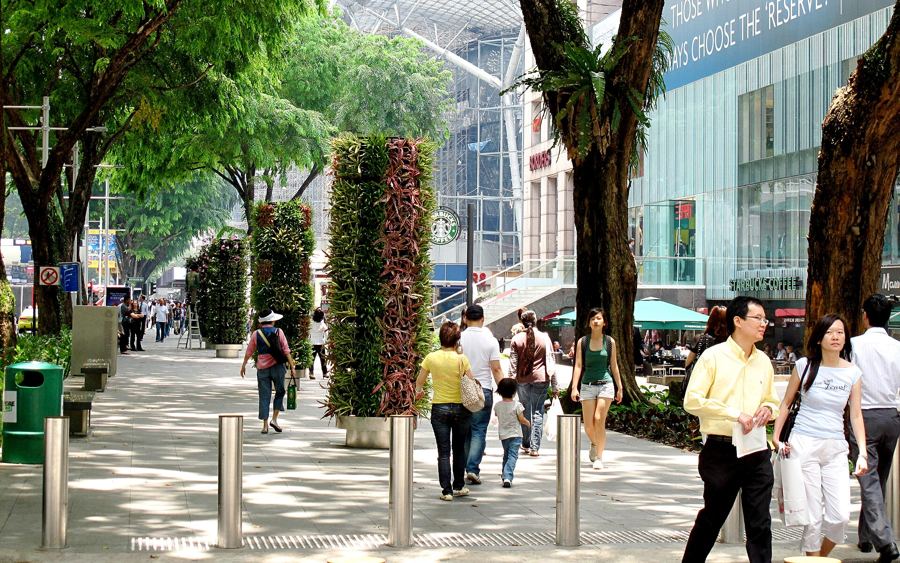
From around mid-November, Orchard Road puts up its Christmas light-up, an old tradition that turns the shopping street into a long avenue of decorations, with malls competing in the displays out front. Christmas Day is a public holiday, churches hold services across the island, including at St Andrew's Cathedral and the Cathedral of the Good Shepherd, and the season runs straight into New Year.
New Year's Eve ends the calendar with fireworks over Marina Bay, and within a few weeks the first lanterns are going up in Chinatown again.