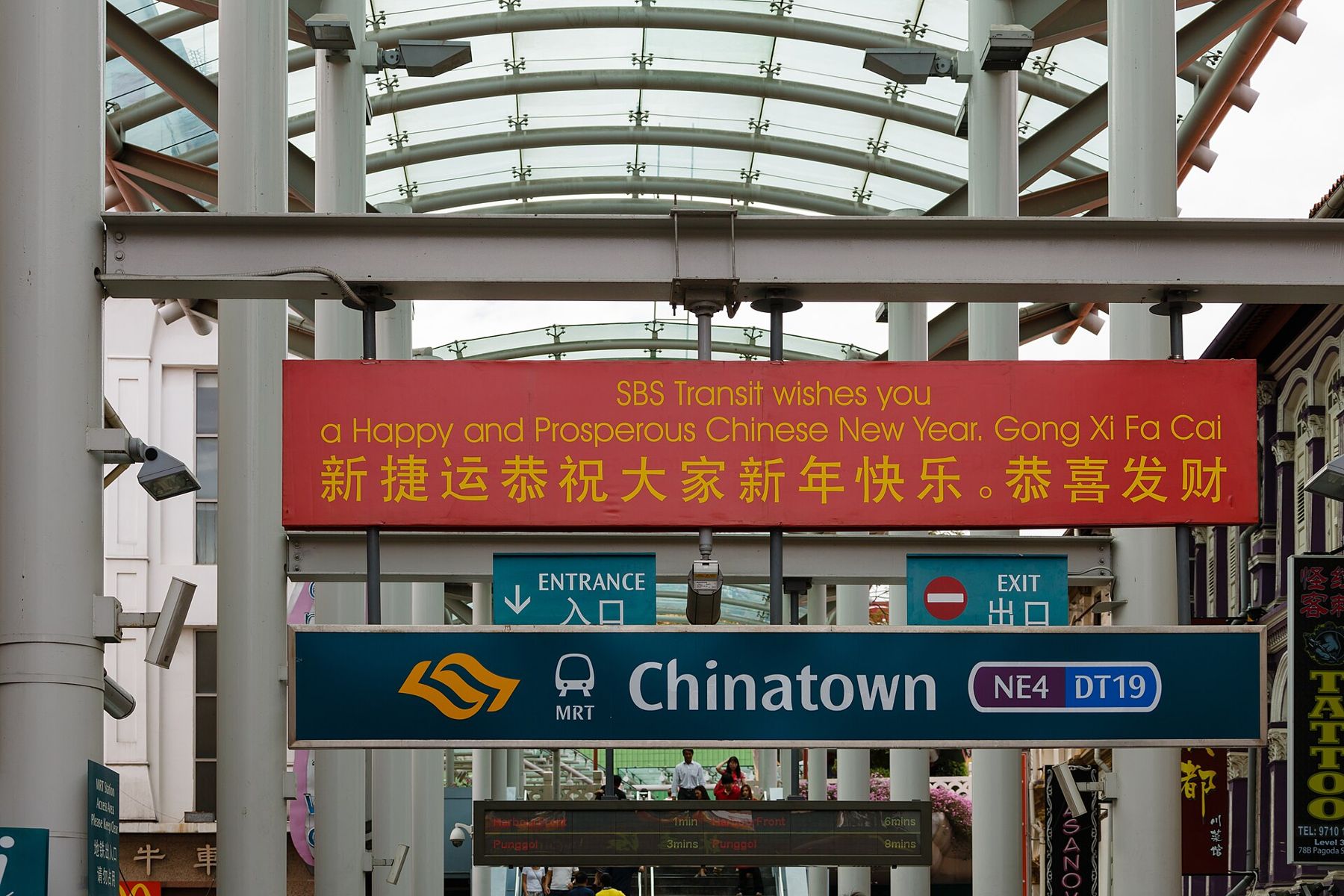
The sign beside the ticket gates is a row of red circles. A cigarette, crossed out. A cup and a sandwich, crossed out. A flame, crossed out. And a durian, the spiky king of fruits, also crossed out. Visitors photograph it as a joke; residents walk past it without a glance, because they have never thought of taking a durian on the train anyway.
Singapore's rules have a reputation abroad, partly earned and partly myth. Below are the ones that matter, described plainly, with the manners that matter just as much. Fines exist for many of these offences, and their amounts are set and revised by law, so we give none here. The signs in stations and parks say which rules apply.
Is chewing gum really banned?
Its sale is. Since 1992 Singapore has restricted the import and sale of chewing gum, partly because discarded gum was fouling public spaces and, famously, the doors of the new MRT trains. Some kinds of gum for medical or dental purposes can be bought from pharmacies under later rules.
In practice a visitor will not find gum in shops, and should not bring large quantities in. Nobody searches pockets for a forgotten stick, but the spirit of the rule is easy to follow: if you have gum, do not leave it anywhere.
Why no durians on the train?
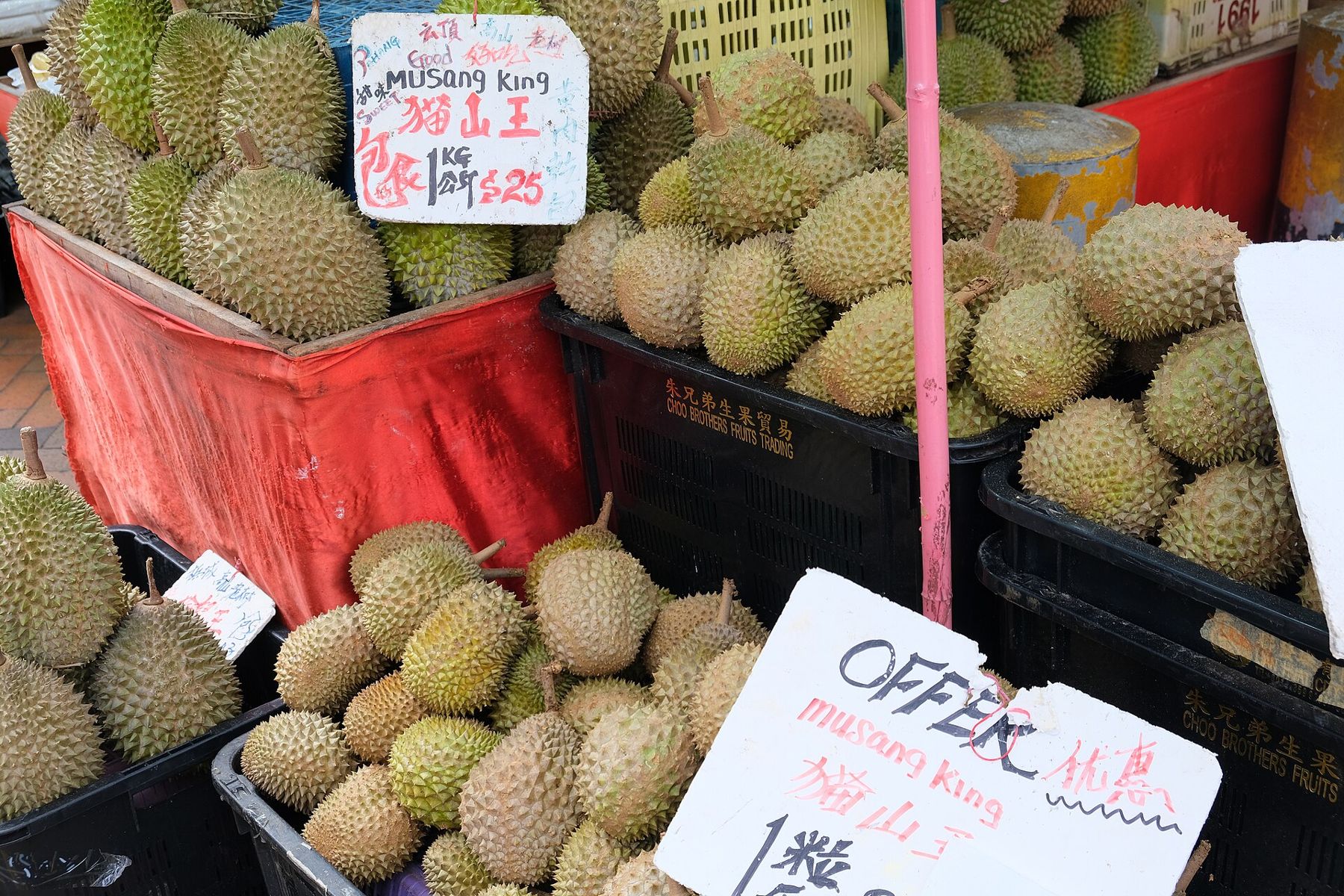
Because of the smell. The durian is loved across Southeast Asia, and Singapore takes its durian season seriously, with fruit stalls in Geylang, Chinatown and the heartland estates piled high with spiked shells. But the aroma is powerful and clings to enclosed spaces, so the trains, buses, many taxis and many hotels ask that the fruit stay outside.
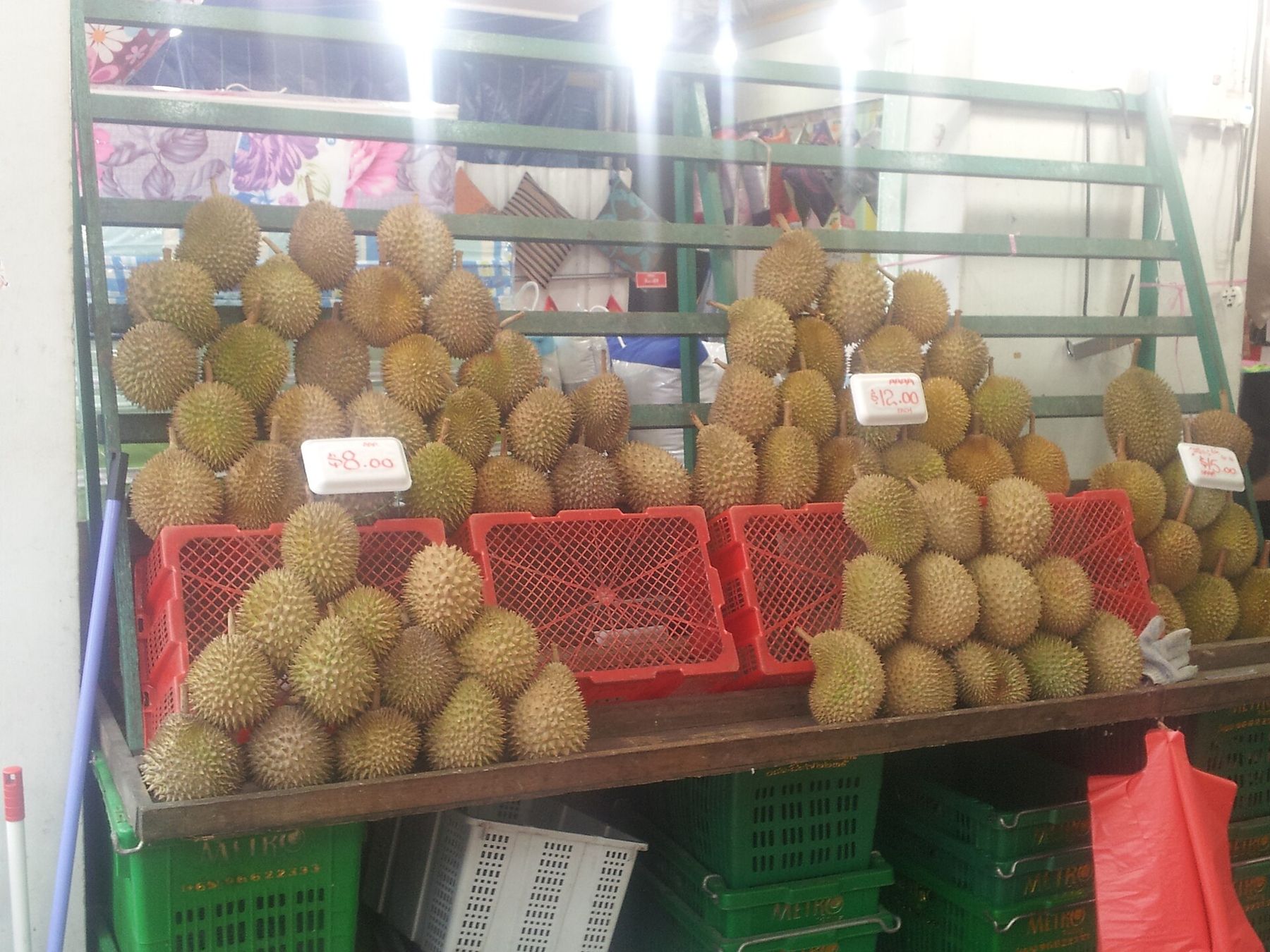
The answer is to eat durian where it is sold. Many stalls have tables and will open the fruit for you, and that is how most people enjoy it, outdoors, in the evening, with plastic gloves and a lot of discussion.
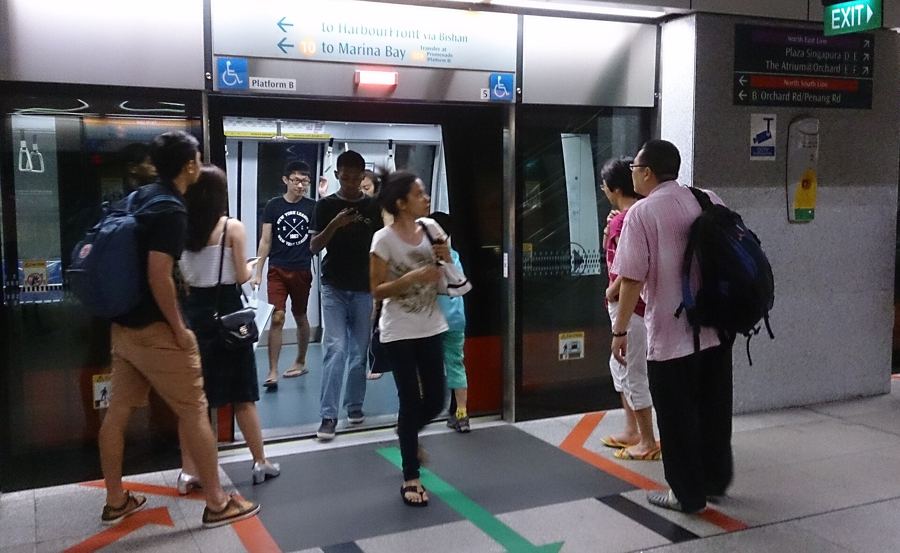
Can you eat or drink on the MRT?
No. Eating and drinking are not allowed on trains or in the paid areas of stations, and this includes a sip of water from a bottle, though people with medical needs are treated with understanding. The rule keeps the network clean and free of spills and pests, and it is one of the reasons the trains feel the way they do.
The same thinking runs through the rest of the MRT and bus system: stand on the left of escalators, let passengers off before boarding, and give up the priority seats near the doors without waiting to be asked.
How strict are the littering laws?
Strict, and enforced. Dropping litter, even a cigarette end or a tissue, is an offence, and repeat offenders can be ordered to do corrective work, cleaning public spaces while wearing a bright vest. Bins are frequent, and there is rarely an excuse.
The cleanliness that visitors notice is maintained by an army of cleaners as much as by the law, and residents are often quick to remind each other about returning trays at hawker centres, where clearing your own table is now expected.
 Next stall overHow a hawker centre works, from the tissue packet to the tray return
What about smoking and vaping?
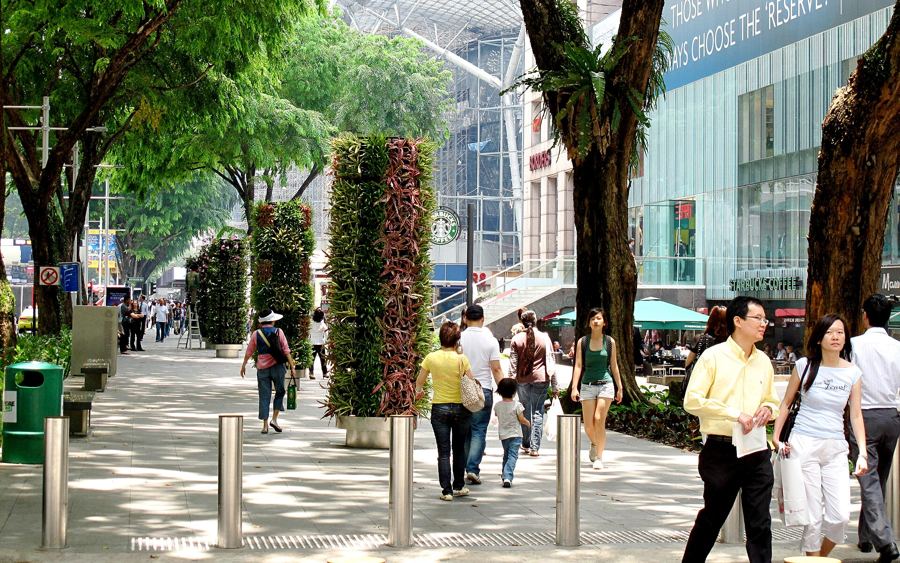
Smoking is allowed only in designated areas in much of the city, marked by yellow-boxed zones and signs, and is banned in many public places, including covered walkways, bus stops, near building entrances, and the whole of the Orchard Road shopping belt. Vaping goes further: e-cigarettes are illegal to buy, own or use, and the rule applies to visitors as well as residents.
If you smoke, look for the designated corners and keep a portable ashtray. If you vape, leave the device at home.
Are there other rules visitors break by accident?
A few. Jaywalking, crossing a road within a short distance of a pedestrian crossing or bridge, is an offence. Feeding pigeons and wild monkeys is prohibited, the second because it makes the macaques at nature reserves bold and occasionally aggressive. Public toilets should be flushed after use; failing to do so is, strictly speaking, an offence too.
Drugs are another matter entirely. Singapore's drug laws are among the severest in the world, and the penalties for trafficking include death. Signs at the airport and border checkpoints say so clearly, and the warning should be taken literally.
How do queues work?
Patiently and in order. Singapore queues for everything: taxis, buses, popular hawker stalls, new bakeries and limited-edition sales. Jumping a queue is one of the few things that will get a visitor a sharp word from a stranger. At bus stops the line is informal, but people board roughly in the order they arrived.
At hawker centres you will also see seats reserved with a packet of tissues, an umbrella or a lanyard. This is choping, and it is respected; find another table.
Should you tip?
Generally not. Tipping is not part of local custom. Restaurants and hotels usually add a service charge and the goods and services tax to the bill, which you will see as separate lines, and at hawker centres and coffee shops nobody expects anything beyond the price. Taxi drivers do not expect a tip, though rounding up is appreciated. If someone has gone well out of their way, a small tip is welcome, but it is never assumed.
What do temples and mosques ask of visitors?
Modesty and quiet. Remove shoes before entering the prayer halls of Hindu temples, mosques and many Chinese and Buddhist temples; racks are provided at the door. Cover shoulders and knees, and at mosques such as the Sultan Mosque in Kampong Glam, robes are often available at the entrance for visitors who need them. Ask before photographing worshippers, and avoid visiting during prayers unless invited.
None of this is unusual, and much of it is common sense. The rules that seem odd from a distance turn out, on the ground, to describe a city that is clean, quiet on its trains, and very easy to be a guest in.