From the lookout at the top of Mount Faber, Sentosa looks close enough to touch: a green, hilly island across a narrow channel, with cable cars gliding over the water toward it and cruise ships moored at the terminal below. It is close. A monorail, a boardwalk, a road bridge and a cable car link it to the main island, and you can be on a beach within half an hour of leaving the city centre.
But Sentosa is a different place from the rest of Singapore. It was a military island for most of its modern history, and when the soldiers left it was turned into a resort, with beaches, hotels, golf courses and theme parks. It can be crowded and expensive, and it is not to everyone's taste. It can also be a very pleasant day out, especially for families, if you choose the right part of it.
Getting there
There are four main ways onto the island, all starting near HarbourFront MRT station and the VivoCity shopping mall.
The Sentosa Express is a monorail that runs from VivoCity across the channel to stations on the island, ending near the beaches. It is quick and frequent, and the easiest choice with children or bags.
The Sentosa Boardwalk is a covered walkway that runs alongside the road bridge. It takes about fifteen minutes to walk, with travelators for part of the way, and it is the cheapest way across.
The cable car runs from Mount Faber, via HarbourFront, to the island. It is the slowest and most expensive way across, but the views over the harbour and the city are superb.
You can also take a taxi or bus across the road bridge. Entry charges and fares vary by route and change from time to time, so check before you go. On the island, free buses and a beach tram link the main areas.
Siloso Beach
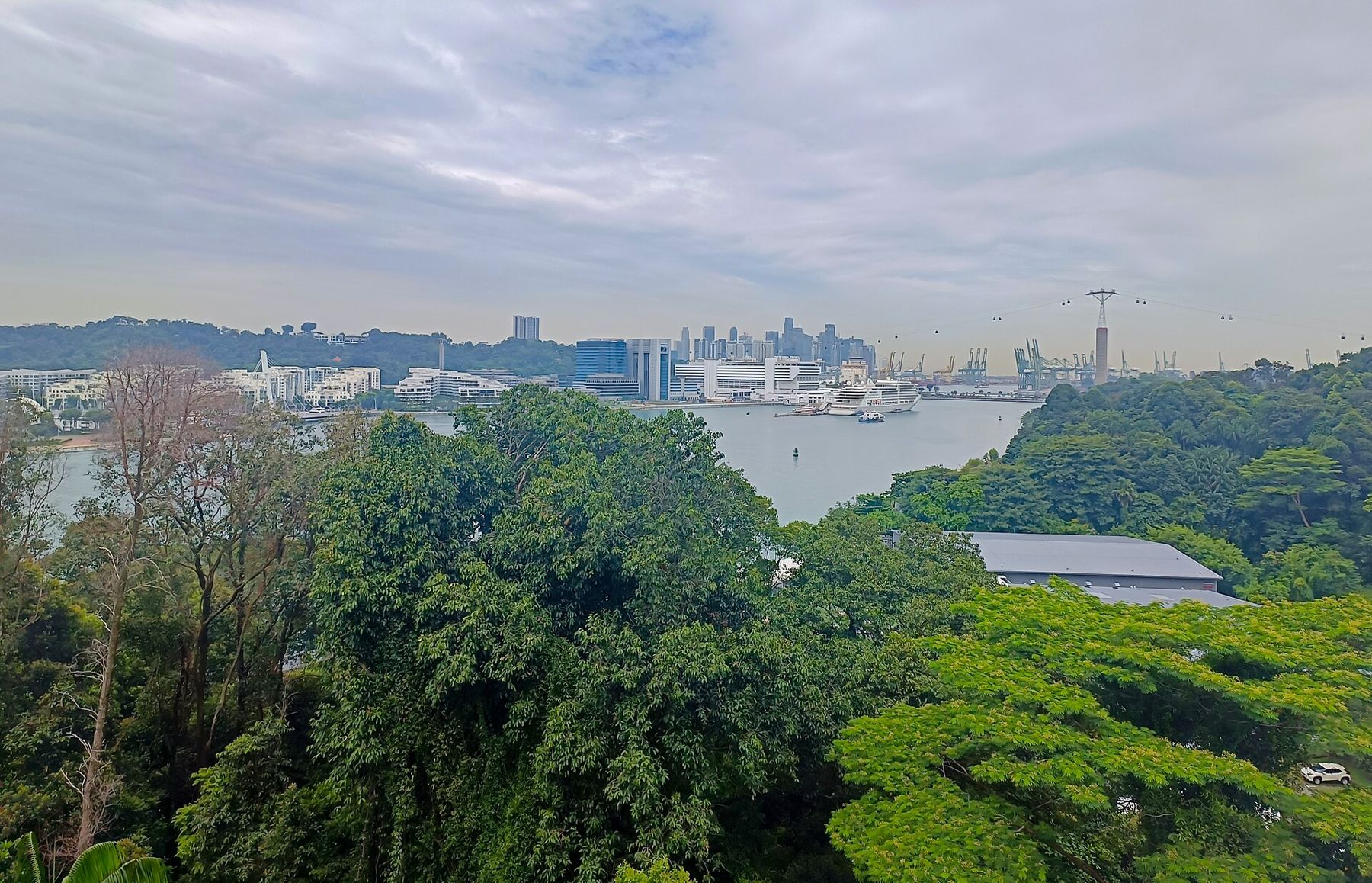
Siloso Beach, on the western side of the island, is the liveliest of the three main beaches. It has beach bars, restaurants, volleyball nets and water sports, and it is busy with young people and groups, especially at weekends. In the evenings, some of the beach bars host parties and music. The sand is imported, the sea is calm behind breakwaters, and the view is of ships at anchor in the Singapore Strait, which is busy with traffic. It is not a tropical idyll, but it is a fun place to spend an afternoon.
Palawan Beach
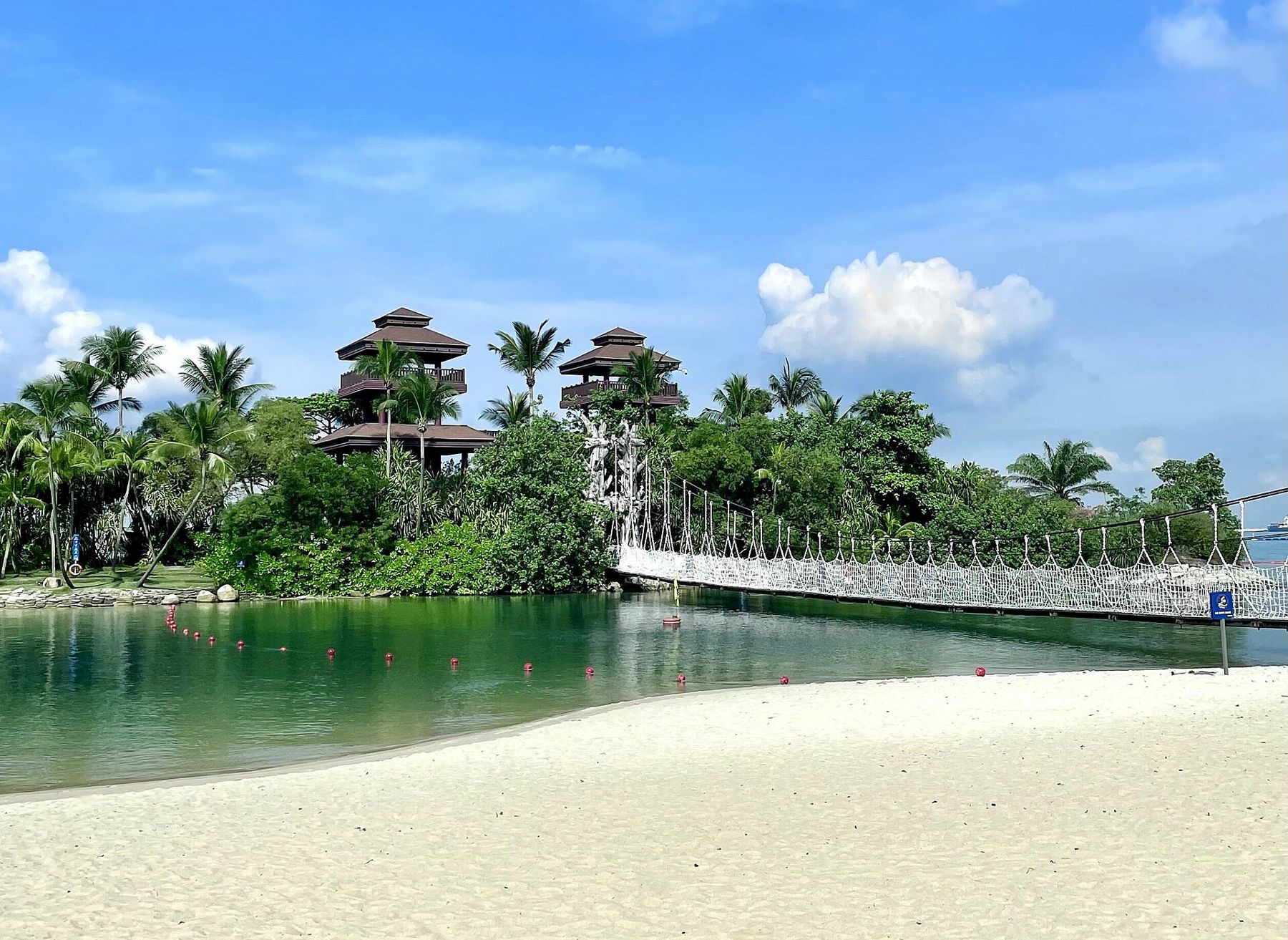
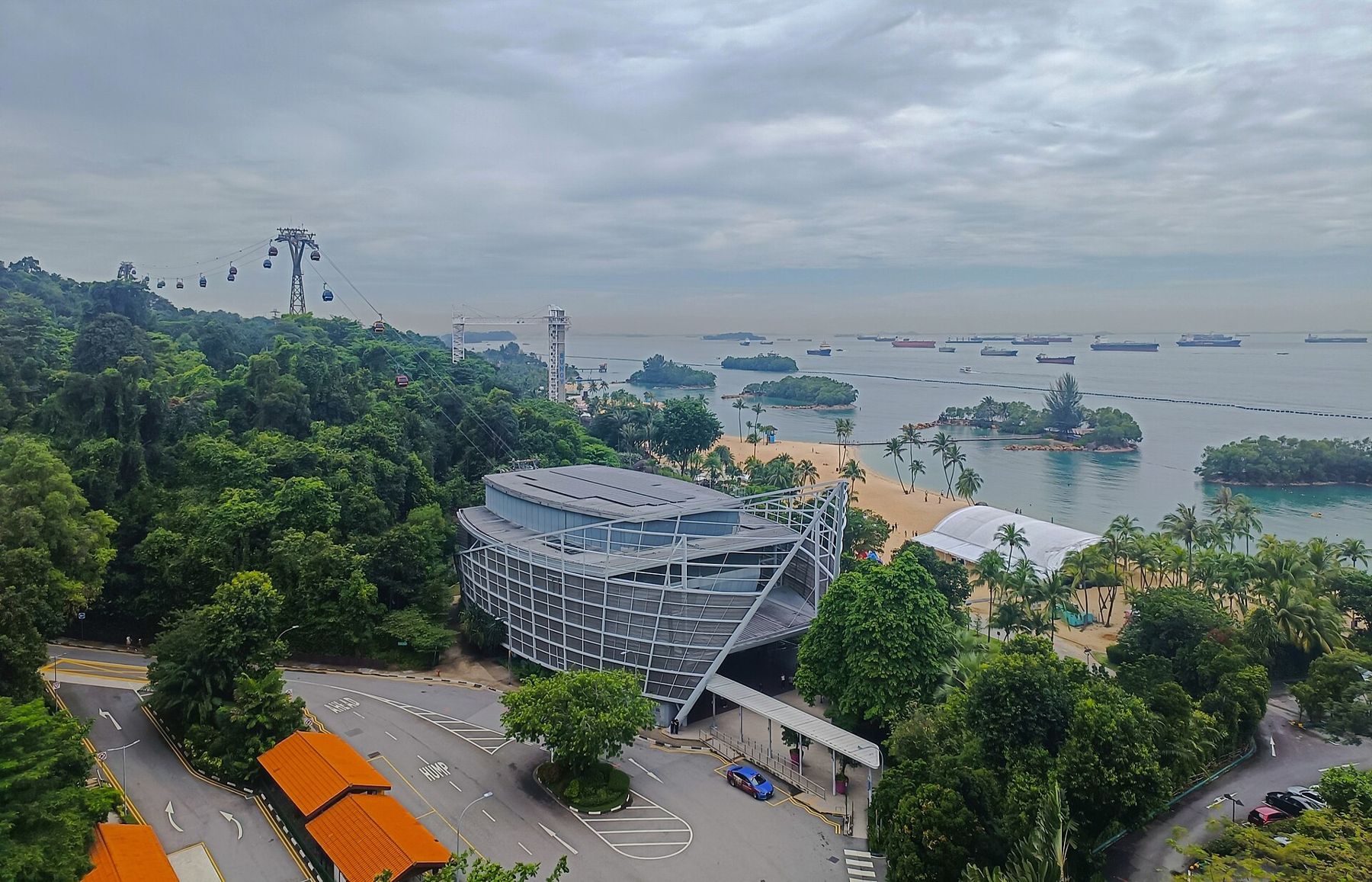
Palawan Beach, in the middle of the southern shore, is the family beach. It is calmer than Siloso, with playgrounds, shaded areas and a gentle slope into the water. A suspension bridge leads from the beach to a small islet, which is billed as the southernmost point of continental Asia, with two lookout towers that give views over the sea. Children love crossing the bridge, and the towers are a good place to watch the ships.
Tanjong Beach
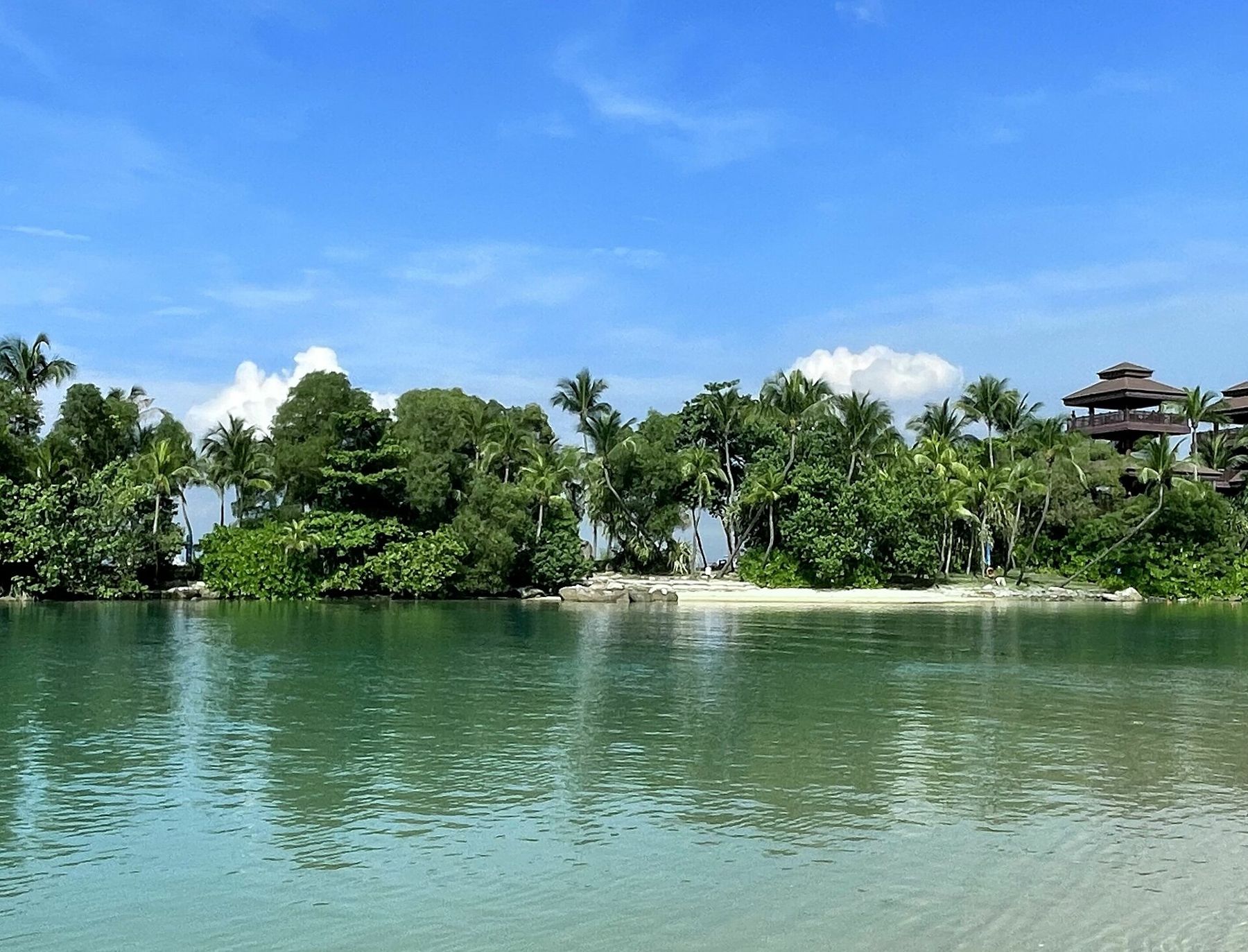
Tanjong Beach, at the eastern end of the island, is the quietest of the three. It is farther from the monorail and has fewer facilities, and it attracts people who want to lie on the sand, read a book and swim in peace. There is a beach club at one end, and on weekend afternoons it can get busier, but on a weekday morning you may have long stretches of the beach almost to yourself.
 Next stall overMarina Bay, the shore that Singapore made
Fort Siloso
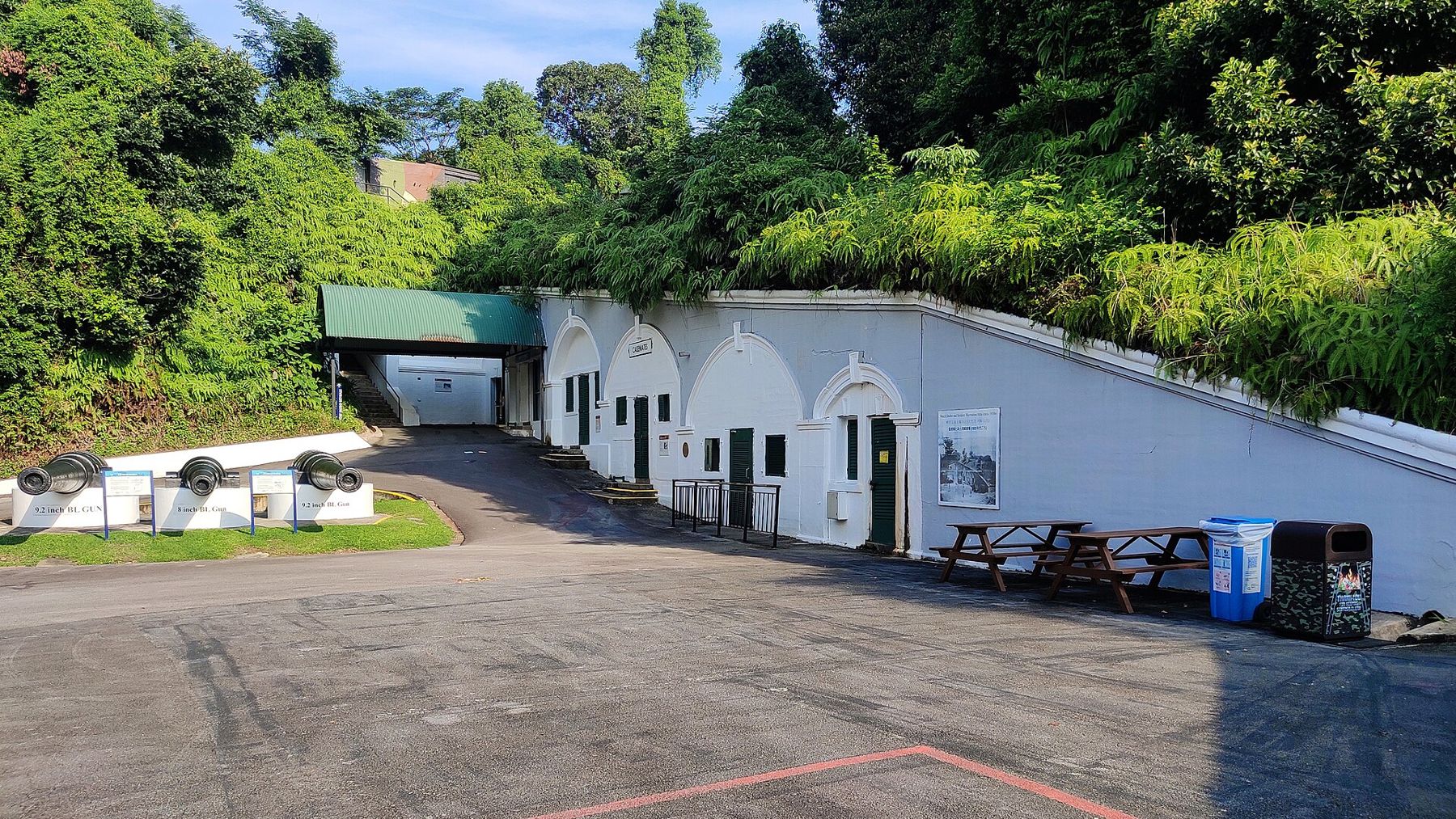
Sentosa was once called Pulau Blakang Mati, a Malay name usually translated as the island behind which lies death. The name has several explanations, none of them certain. What is certain is that the island was heavily fortified by the British, who built forts and gun batteries here from the late nineteenth century to guard the approaches to the harbour.
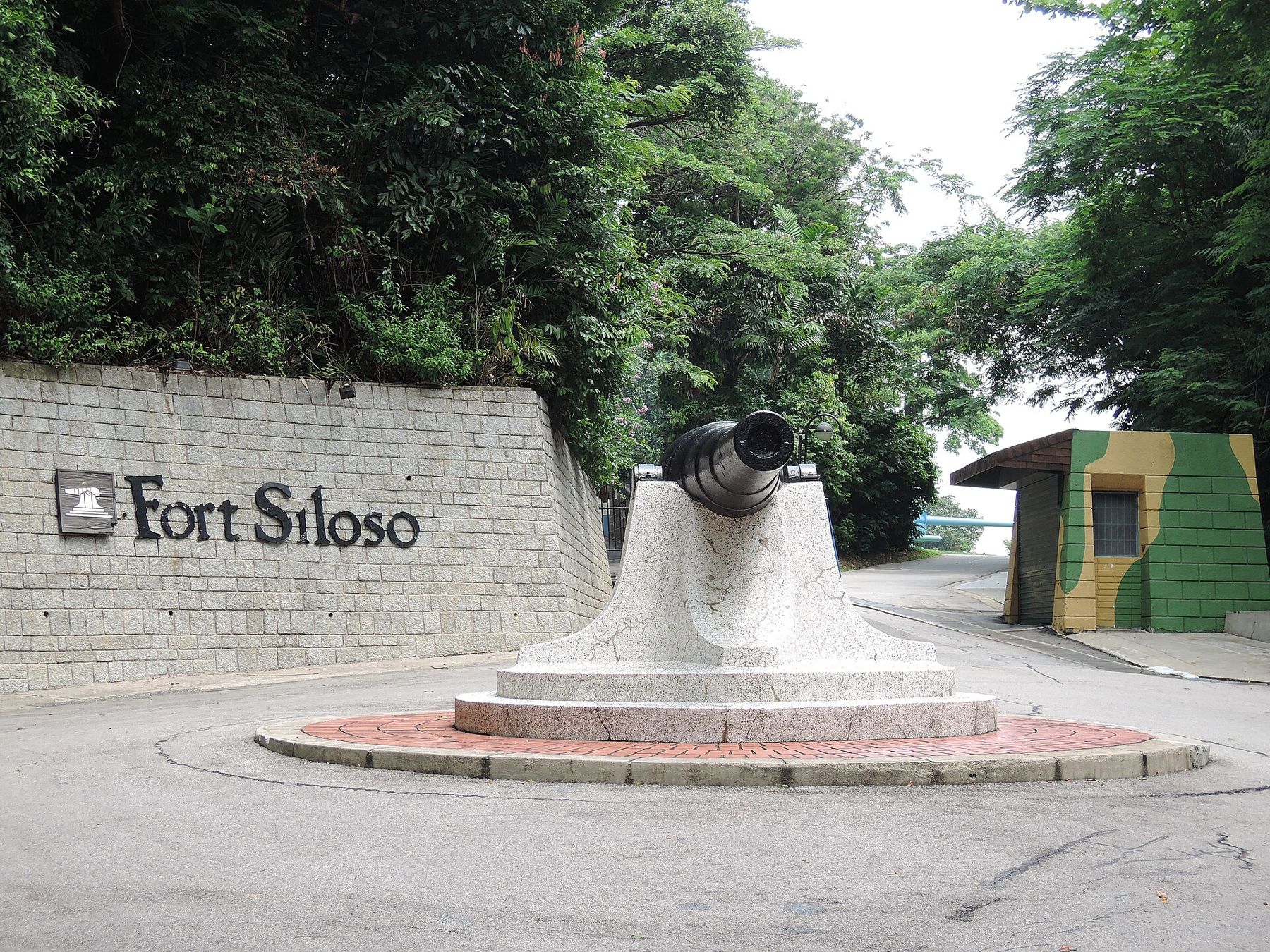
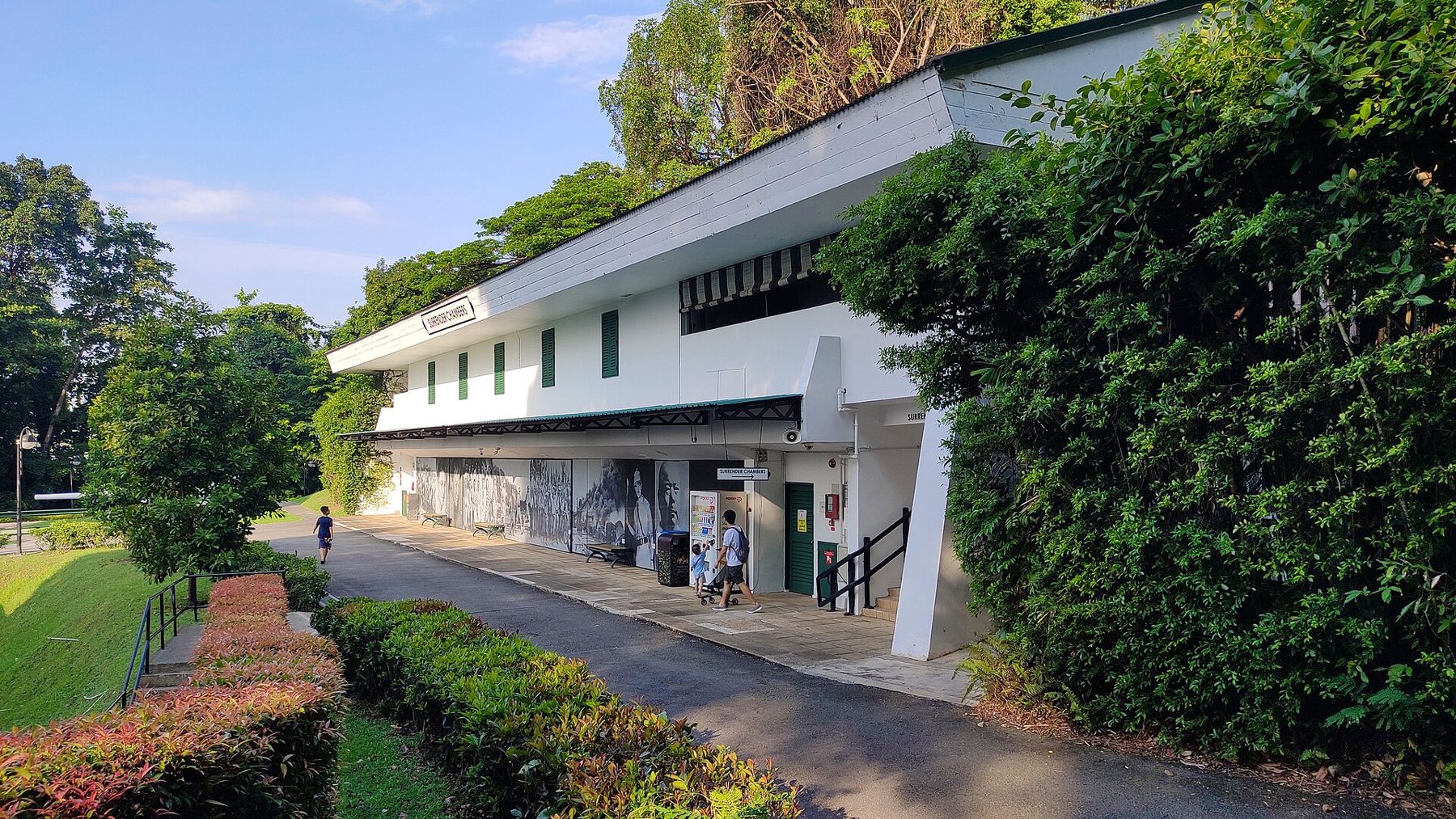
Fort Siloso, at the western tip of the island, is the best preserved. It has gun emplacements, tunnels, barracks and ammunition stores, and displays that tell the story of the island's military history. During the Japanese invasion in 1942, the fort's guns fired on Japanese forces, and after the fall of Singapore, the island was used as a prisoner-of-war camp. The Surrender Chambers at the fort recreate the British surrender in 1942 and the Japanese surrender in 1945, with figures and documents.
An elevated walkway, the Fort Siloso Skywalk, climbs from near Siloso Beach up to the fort through the treetops, with views over the sea. Entry arrangements and opening hours for the fort change, so check before you go. For the larger story of the war years in Singapore, see our story on Fort Canning Hill.
The theme parks and attractions
For many visitors, especially families, Sentosa means its paid attractions. Resorts World Sentosa, near the monorail's first stop, has a theme park, an aquarium, a water park, hotels and a casino. Elsewhere on the island are adventure parks, zip lines, a luge track, and other attractions. They are popular, and they can be very good, but they are also expensive, and prices change. If you plan to visit several, look for combination tickets, and book ahead at busy times.
The attractions get crowded during school holidays and on weekends. If you can, go on a weekday, arrive when the gates open, and plan your day around one or two of them rather than trying to see everything.
How Sentosa differs
Sentosa is not like the rest of Singapore. It is a resort island, managed as a single development, with a uniform, well-kept look and few traces of everyday life. There are no hawker centres on the scale of those on the main island, no shophouse streets, no old quarters. Prices are higher, and the crowds are mostly visitors. Some people find it bland; others find it relaxing.
It is also greener than you might expect. Away from the beaches and the attractions, the hills are covered in forest, and there are walking trails and quiet viewpoints. The island has a nature side, if you look for it, and on a weekday morning the trails can be almost empty.
How to choose
If you have young children, go to Palawan Beach and perhaps one attraction, taking the monorail across. If you want to party or play beach sports, go to Siloso. If you want quiet, go to Tanjong on a weekday. If you are interested in history, go to Fort Siloso, walking up the Skywalk. If you want the views, take the cable car across from Mount Faber, perhaps at the end of a walk along the Southern Ridges.
And if you are short of time in Singapore, you may decide to skip Sentosa altogether and spend the day in the old quarters, the gardens or the hawker centres instead. See our three days in Singapore plan for ideas. There is no wrong answer. Sentosa is a holiday island, and it is best treated as one: go when you want a break from the city, and come back across the water at sunset, with the lights of the harbour coming on ahead of you.